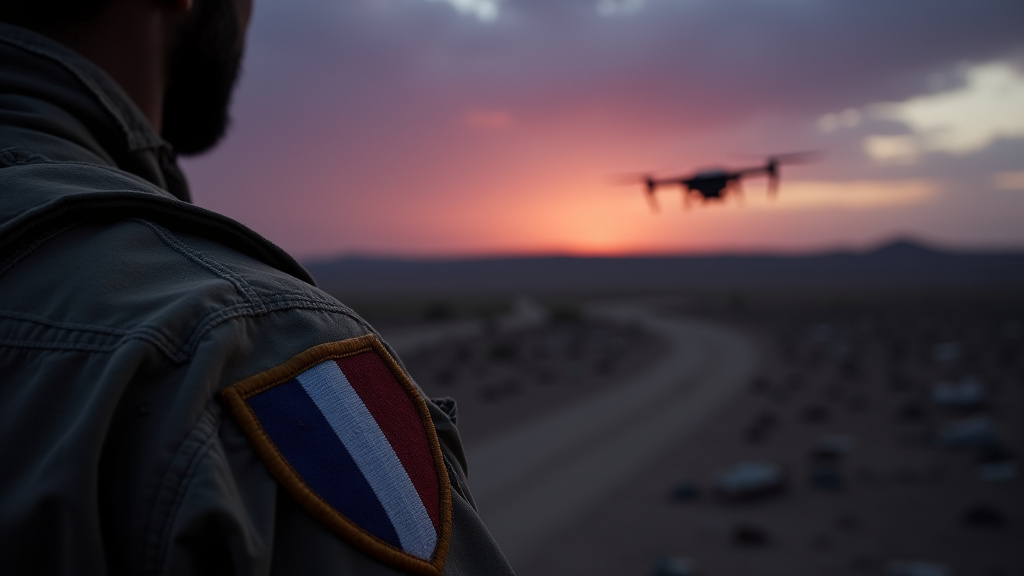
Tensions flare in the Persian Gulf as the United States reportedly conducted strikes against Iranian oil tankers, a move that casts a significant shadow over ongoing efforts to revive the stalled nuclear deal between Tehran and world powers. The exact nature and scale of the attacks remain unclear, but the incident has immediately heightened geopolitical risks and injected fresh uncertainty into the delicate diplomatic negotiations.
Key Highlights:
- US forces allegedly targeted Iranian oil tankers in a significant escalation of regional tensions.
- The strikes occurred amidst ongoing, albeit fragile, negotiations to revive the Iran nuclear deal.
- The incident has heightened geopolitical risks and cast doubt on the prospects for diplomatic progress.
- International condemnation and calls for de-escalation are expected as details emerge.
Escalation in the Gulf: A Strike on the Brink
The simmering geopolitical climate in the Middle East has reached a boiling point with reports of the United States launching strikes against Iranian oil tankers. This aggressive action, if confirmed, represents a dramatic turn in a region already fraught with instability and complex diplomatic maneuvering. The timing of the alleged attacks is particularly critical, occurring at a moment when international mediators are working intensely to bridge the divide between Iran and the United States concerning the latter’s controversial nuclear program. The Joint Comprehensive Plan of Action (JCPOA), the landmark 2015 deal aimed at preventing Iran from developing nuclear weapons, has been hanging precariously since the US withdrawal in 2018 under the Trump administration. While the Biden administration has expressed a willingness to re-engage, progress has been slow and fraught with challenges, including sanctions relief and Iran’s ballistic missile program.
The Diplomatic Tightrope


Negotiations to salvage or re-enter the JCPOA have been a complex dance of diplomacy, with both sides expressing a desire for an agreement but remaining entrenched on key issues. Iran insists on the complete lifting of all US sanctions, including those imposed under the guise of counter-terrorism and human rights, while the US seeks verifiable guarantees that Iran’s nuclear activities will be strictly limited and monitored. The alleged strikes on tankers introduce a volatile new variable, potentially hardening stances and making compromise even more elusive. The international community, particularly European signatories to the original deal, has consistently urged restraint and a return to dialogue. However, unilateral actions, such as military strikes, can quickly derail months of painstaking diplomatic efforts.
Economic Repercussions and Regional Stability
The immediate economic impact of such an incident is likely to be felt in global oil markets, which are already sensitive to geopolitical tensions. Disruptions to shipping in the Strait of Hormuz, a critical chokepoint for global oil transport, can lead to price spikes and supply concerns. Beyond the economic fallout, the strikes risk further destabilizing an already volatile region. Iran’s response, whether retaliatory or diplomatic, will be closely watched. The incident could embolden hardliners within Iran who oppose any rapprochement with the West, while also raising concerns among US allies in the region about escalating conflict.
Historical Context of Gulf Tensions
The waters of the Persian Gulf have long been a stage for proxy conflicts and direct confrontations. The history between the US and Iran is marked by decades of animosity, dating back to the 1979 Islamic Revolution and the subsequent hostage crisis. During the Iran-Iraq War in the 1980s, the US Navy actively protected oil shipping in the Gulf, clashing with Iranian forces. More recently, incidents involving drone shootdowns, alleged sabotage of oil facilities, and seizures of vessels have punctuated the uneasy peace. The current situation echoes these past confrontations, highlighting the persistent risks inherent in the region’s strategic waterways and the complex relationship between Tehran and Washington.
FAQ: People Also Ask
What is the Iran nuclear deal?
The Iran nuclear deal, officially known as the Joint Comprehensive Plan of Action (JCPOA), is an agreement reached in 2015 between Iran and a group of world powers (the P5+1: China, France, Russia, the United Kingdom, the United States, plus Germany and the European Union) to limit Iran’s nuclear program in exchange for sanctions relief.
Why did the US withdraw from the Iran deal?
The United States, under President Donald Trump, withdrew from the JCPOA in May 2018, arguing that the deal did not adequately address Iran’s ballistic missile program, its regional activities, or its “sunset” clauses that would eventually allow Iran to enrich uranium. The US reimposed sanctions on Iran.
What are the key sticking points in current negotiations?
Current negotiations, often referred to as indirect talks, are focused on restoring the JCPOA. Key sticking points include the scope and timing of sanctions relief, Iran’s demand for guarantees that the US will not withdraw again, and Iran’s continued development of advanced nuclear technologies and ballistic missiles.
What is the significance of the Strait of Hormuz?
The Strait of Hormuz is a narrow waterway connecting the Persian Gulf to the Gulf of Oman and the open ocean. It is one of the world’s most critical oil transit points, with a significant percentage of the world’s oil supply passing through it daily. Any disruption there can have immediate and severe consequences for global energy markets.
What is the expected response from Iran?
Iran’s response to alleged attacks on its tankers is unpredictable. It could range from diplomatic protests and demands for an investigation to retaliatory actions against US interests or allies in the region, or further escalation of its nuclear activities. The response will likely be influenced by internal political dynamics and strategic considerations.