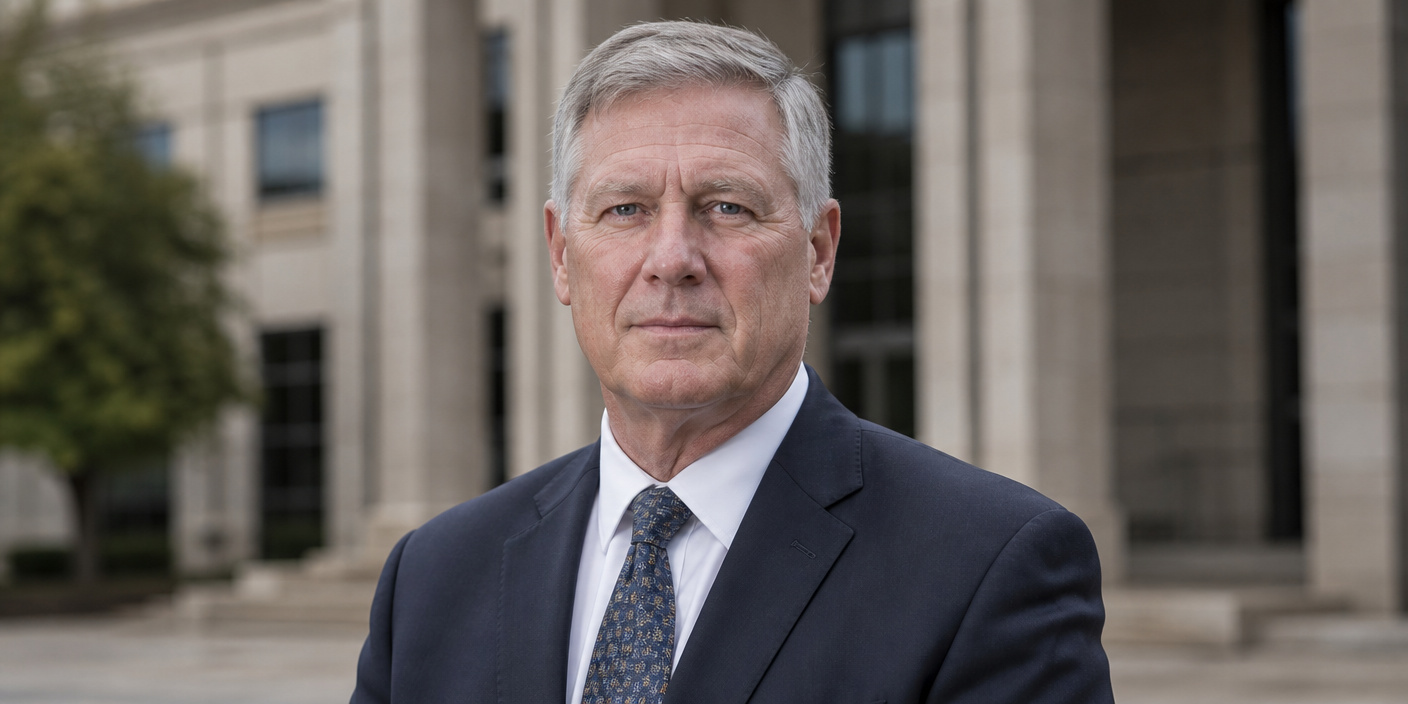
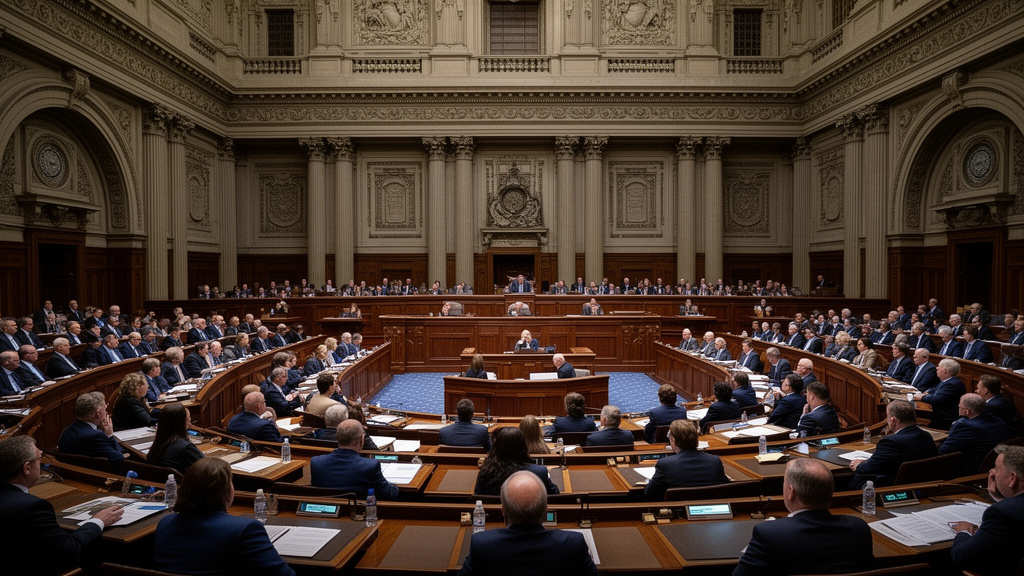
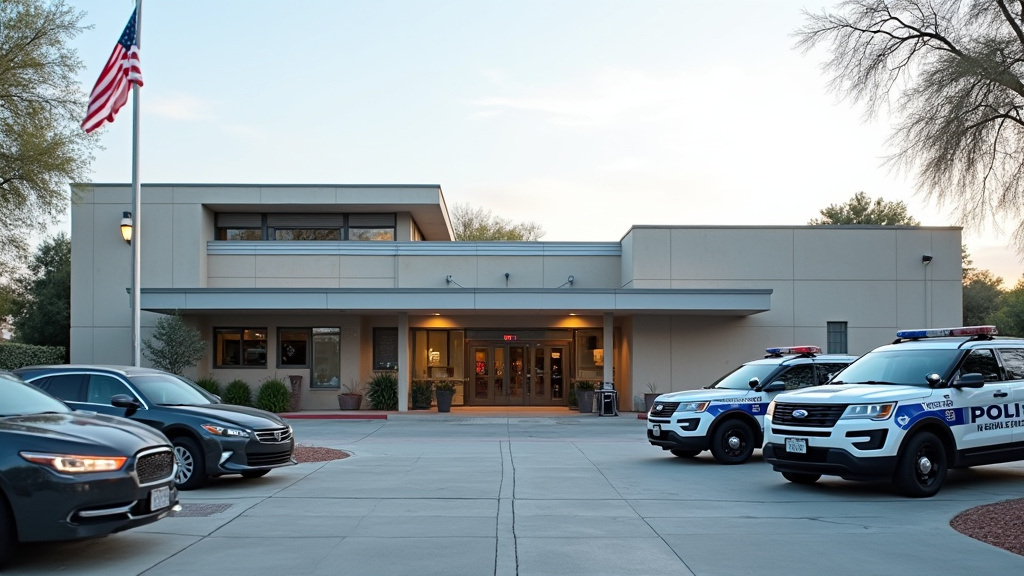
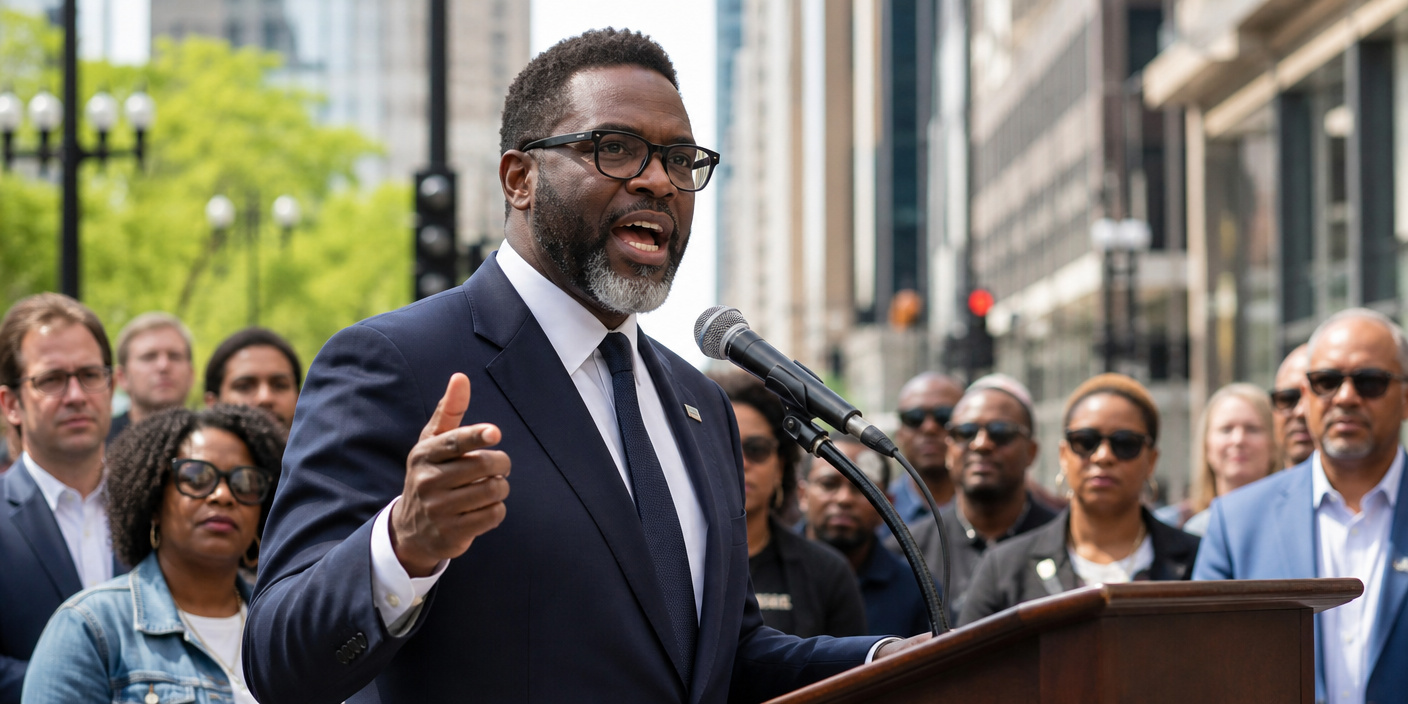
Chicago Mayor Brandon Johnson and a coalition of city leaders are intensifying their calls to state lawmakers, urging them to allocate greater funding to essential city services. The group convened today to highlight the critical need for increased state financial support, emphasizing its direct impact on public safety, infrastructure, and social programs.
Key Highlights:
- Mayor Johnson and city officials are advocating for increased state funding.
- The requested funds are crucial for maintaining and enhancing public safety, infrastructure, and social services.
- Leaders expressed urgency, warning that current funding levels are insufficient to meet the city’s growing needs.
- The appeal underscores the ongoing financial challenges faced by major urban centers.
Funding Crisis: A Call for State Action
The persistent underfunding of Chicago’s critical services has reached a tipping point, compelling Mayor Brandon Johnson and a diverse group of city officials and community leaders to launch a renewed, urgent plea to the Illinois state legislature. This push for increased financial backing is not merely a request for more resources; it is a critical demand for the sustained viability and future prosperity of the nation’s third-largest city. The core of their argument rests on the undeniable truth that state-level financial contributions are indispensable for the effective operation and enhancement of services that millions of Chicagoans rely on daily.
Public Safety Imperatives
At the forefront of the leaders’ concerns is the dire need for enhanced funding for public safety initiatives. This includes bolstering the Chicago Police Department’s capacity to respond effectively to crime, investing in community-based violence prevention programs, and ensuring that first responders have the necessary equipment and training. Without adequate state support, the city struggles to implement comprehensive strategies that can meaningfully reduce crime rates and foster a greater sense of security throughout Chicago’s neighborhoods. The current budget constraints often translate into understaffed patrols, delayed response times, and limited resources for proactive policing and community engagement efforts.
Infrastructure Renewal and Development



Beyond public safety, the coalition is emphasizing the critical role of state funding in the ongoing effort to repair and modernize Chicago’s aging infrastructure. This encompasses everything from the city’s extensive public transportation network, including the ‘L’ train system and bus routes, to its vital water and sewer systems, and its vast network of roads and bridges. Neglecting these foundational elements not only inconveniences residents but also poses significant long-term economic risks. Investment in infrastructure creates jobs, stimulates economic activity, and ensures the city remains a competitive and attractive place to live and do business. However, the sheer scale of Chicago’s infrastructure needs far outstrips the city’s own fiscal capacity, necessitating substantial assistance from the state.
Social Services and Community Well-being
The demand for increased state funding also extends to the crucial social services that support Chicago’s most vulnerable populations. This includes programs aimed at addressing homelessness, providing affordable housing, supporting mental health services, and offering educational and job training opportunities. These services are the bedrock of a healthy and equitable city, providing lifelines to individuals and families facing hardship. Mayor Johnson and his allies argue that without robust state partnerships, the city’s ability to offer these essential safety nets is severely compromised, potentially leading to increased social instability and human suffering.
The Economic Interdependence
Elected officials have been keen to underscore the symbiotic relationship between the state’s economic health and that of its largest city. They argue that a thriving Chicago is not just a benefit to its residents but a significant driver of revenue and economic activity for the entire state of Illinois. Therefore, investing in Chicago’s services is, in effect, an investment in the state’s overall economic well-being. The argument is that by adequately funding Chicago’s public safety, infrastructure, and social programs, the state can help ensure a more stable and prosperous environment that benefits all Illinoisans.
A Look Ahead: The Urgency of Now
The coalition’s message is clear: the time for decisive action is now. They are calling on state lawmakers to move beyond political considerations and recognize the immediate and profound impact that increased funding will have on the lives of Chicagoans. The leaders have vowed to continue their advocacy, employing a multi-pronged strategy that includes direct lobbying, public awareness campaigns, and community mobilization to ensure their voices are heard and their demands are met. The stakes are undeniably high, with the future of essential city services hanging in the balance.
FAQ: People Also Ask
What are the primary services Chicago leaders are seeking more funding for?
Chicago leaders are primarily seeking increased funding for public safety (police, violence prevention), infrastructure (transportation, water, roads), and social services (homelessness, affordable housing, mental health, job training).
Why is Chicago seeking more funding from the state?
Chicago is seeking more funding from the state because its own fiscal capacity is insufficient to meet the growing needs of its essential services. They argue that state financial support is critical for the city’s operational viability and future development.
What is the economic argument for increased state funding for Chicago?
The economic argument is that a well-funded and thriving Chicago is a significant driver of economic activity and revenue for the entire state of Illinois. Investing in the city’s services is seen as an investment in the state’s overall economic health.
What are the potential consequences if Chicago does not receive increased state funding?
If Chicago does not receive increased state funding, there is a significant risk of diminished public safety, deteriorating infrastructure, reduced capacity for essential social services, and potential negative impacts on the city’s and state’s overall economic stability and quality of life.
What actions are Chicago leaders taking to secure more funding?
Chicago leaders are engaging in direct lobbying efforts with state lawmakers, launching public awareness campaigns, and mobilizing community support to advocate for their funding needs.