The vibrant pulse of Chicago’s creative scene intensifies this weekend as YarnCon 2026 officially launches, transforming the historic Chicago Journeymen Plumbers Union Hall into a centralized hub for independent fiber artists. As the premier event for the city’s burgeoning knitting, crochet, and weaving communities, this year’s iteration promises a deep dive into the world of small-batch dyeing, artisanal spinning, and sustainable textile production. For the thousands of enthusiasts expected to descend upon the West Loop, the event represents more than just a marketplace; it serves as a critical connector for creators seeking to bypass mass-market retailers in favor of the human-centered, tactile experience that defines the modern independent fiber movement.
Key Highlights
- Event Timing: The festival officially runs from Saturday, April 11, through Sunday, April 12, 2026.
- Venue Legacy: Hosted at the historic Chicago Journeymen Plumbers Union Hall, providing an industrial, authentic backdrop for artisanal trade.
- Indie Focus: Dedicated exclusively to independent producers, dyers, and designers, emphasizing a direct-to-consumer model that supports local livelihoods.
- Accessibility: True to its grassroots roots, entry remains free and open to the public, fostering an inclusive environment for both seasoned fiber experts and curious newcomers.
The Resurgence of the Maker Economy
The return of YarnCon 2026 arrives at a pivotal moment for the domestic fiber arts economy. Over the past decade, there has been a profound shift in consumer behavior, marked by a move away from fast-fashion textiles and toward the ‘slow fashion’ philosophy. This movement isn’t just about hobbies; it’s an economic assertion. YarnCon, which was founded in 2007 by local visionaries Sara Ware and Natalia Uribe Wilson, was initially created to fill a void in the Chicago market—the absence of accessible, high-quality fiber for the city’s growing population of crafters.
The Direct-to-Dyer Philosophy



One of the most compelling aspects of the 2026 event is the overwhelming presence of independent dyers. In the traditional retail model, yarn travels through a massive supply chain—from farm to processor to distributor to retail shop—adding costs and distancing the maker from the source. YarnCon strips this back. At the Plumbers Union Hall, visitors engage directly with the people who develop the colorways. This isn’t just a transaction; it is a collaborative educational exchange. A knitter isn’t just buying wool; they are learning the chemistry of natural dyes or the specific properties of high-altitude sheep breeds. This transparency has become a hallmark of the Chicago fiber community, setting a standard for festivals nationwide.
Industrial Roots, Soft Textures
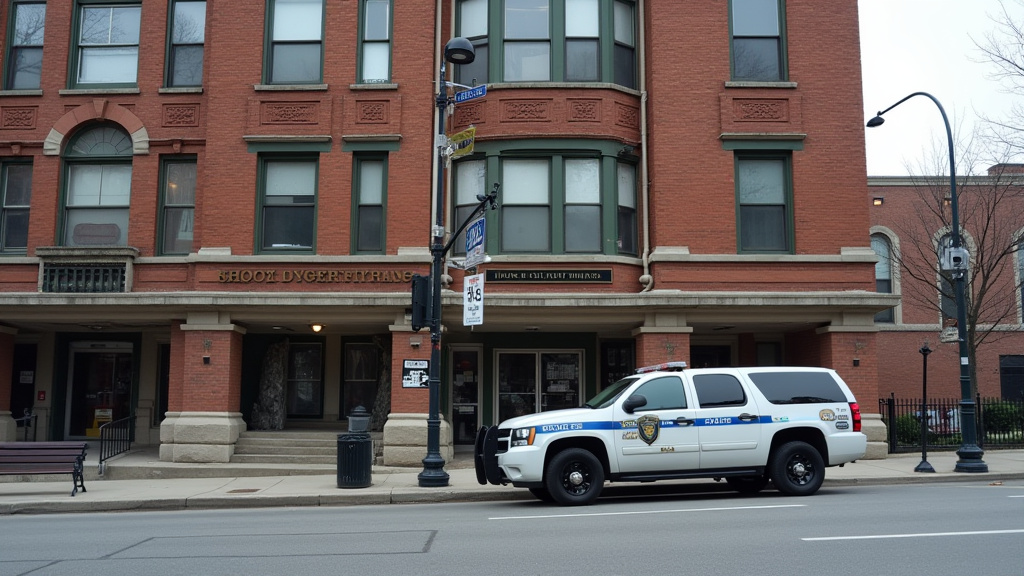
The choice of venue is symbolic. The Chicago Journeymen Plumbers Union Hall, a building steeped in the history of labor movements and blue-collar industry, provides a sharp, aesthetic contrast to the soft, colorful, and tactile nature of the fiber arts housed within. This juxtaposition highlights the grit and hard work inherent in modern crafting. Fiber art, often unfairly relegated to the domestic sphere, is here recontextualized as a serious, professional, and economically significant industry. Vendors at this year’s show report that despite the rising costs of raw materials, consumer demand for luxury, hand-dyed fibers remains at an all-time high, proving that the ‘maker movement’ has moved beyond a trend and established itself as a permanent fixture of modern lifestyle and self-care.
The Cultural Geography of Chicago Crafting
Chicago has quietly become one of the most vital nodes in the American fiber landscape. While coastal cities often claim the spotlight for design, the Midwest—and Chicago specifically—has cultivated a unique, grounded approach to the craft. The city’s fiber scene is deeply intertwined with its diverse neighborhoods and robust guild systems. YarnCon serves as the nexus where these disparate groups converge. Whether it’s crocheters from the South Side or weavers from the North Side, the festival acts as an equalizer, providing space for cross-pollination of techniques and community building.
Future Predictions: Technology and Texture
As we look toward the future of fiber, there is a clear trend toward integrating digital tools with traditional hand-work. Several vendors at YarnCon 2026 are showcasing how patterns can now be generated or altered via AI-assisted design, allowing for complex, custom-fitted garments that were once the sole domain of bespoke high-fashion houses. However, the core of the event remains human. The consensus among exhibitors this year is that while technology may streamline the process, the ‘soul’ of the craft—the human touch, the imperfections, and the stories behind the yarn—cannot be digitized. As the event opens its doors, it reinforces a crucial reality: in an increasingly automated world, the desire to create with one’s own hands is more potent than ever.
FAQ: People Also Ask
Q: Do I need to purchase a ticket to enter YarnCon 2026?
A: No. YarnCon is a free event and open to the public. There are no tickets required for general entry, making it highly accessible to the entire community.
Q: What is the best way to get to the Plumbers Union Hall?
A: The venue is located at 1371 W. Randolph St. It is conveniently accessible via public transit, specifically the Pink and Green lines (Ashland stop). Paid parking is available in the onsite garage, though attendees are encouraged to use ride-shares or public transit due to expected crowds.
Q: Is YarnCon strictly for professional fiber artists?
A: Absolutely not. While the event hosts high-level professional dyers and designers, it is explicitly designed to be welcoming for hobbyists, beginners, and anyone interested in the fiber arts. The mission is to connect, educate, and inspire crafters of all skill levels.