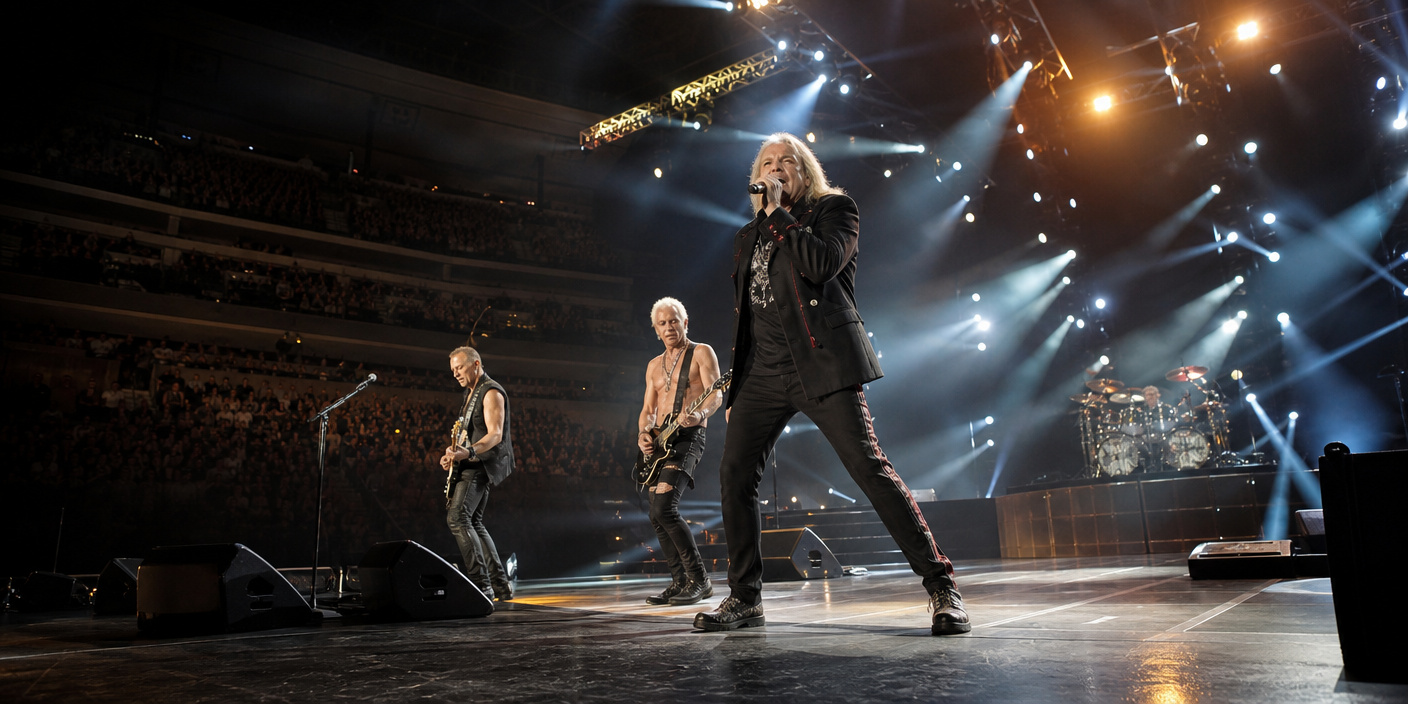
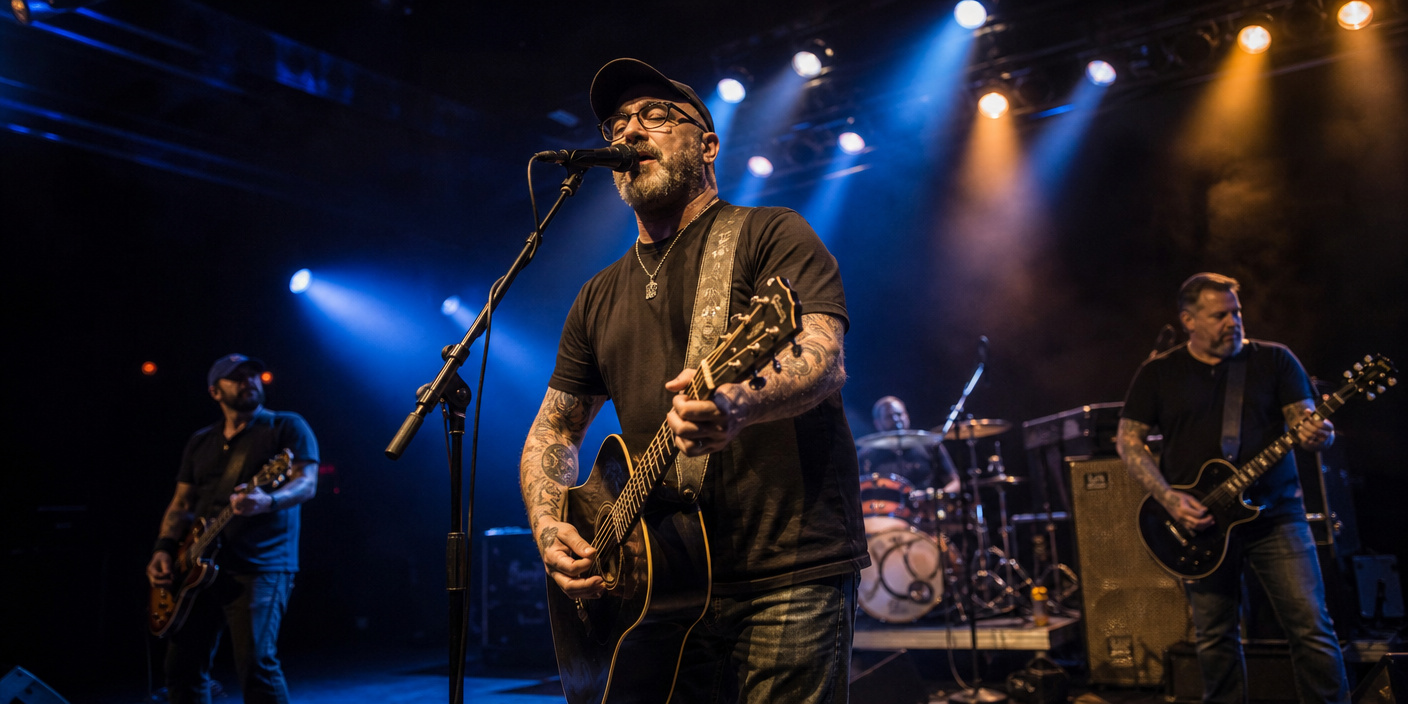
The Mojave Tent at the Coachella Valley Music and Arts Festival became a historic epicenter of global pop culture this past Friday as BINI, the Philippines’ premier girl group, shattered barriers to become the first Filipino act to perform at the world-renowned festival. With a high-octane 45-minute set that fused traditional Filipino cultural elements with polished, world-class choreography, the eight-member ensemble—Aiah, Colet, Maloi, Gwen, Stacey, Mikha, Jhoanna, and Sheena—transformed the desert stage into a vivid celebration of Pinoy pride and modern pop excellence, signaling a massive leap forward for Original Pilipino Music (OPM) on the international stage.
Key Highlights
- Historic Milestone: BINI is the first-ever Filipino group to perform at Coachella, cementing their status as global ambassadors for P-Pop.
- Cultural Fusion: The group seamlessly blended traditional Filipino fashion, including the ‘Salakot’ headgear, with contemporary, avant-garde sea-inspired couture.
- New Music Debut: The performance served as the live global debut for their latest single, “Blush,” alongside a setlist of chart-topping hits including “Pantropiko” and “Salamin, Salamin.”
- Global Engagement: The group successfully engaged the international crowd with the viral “Eyy” chant, demonstrating the cross-cultural power of their viral social media presence.
A Cultural Triumph at the Mojave Tent
The anticipation leading up to BINI’s appearance was palpable, with fan groups, known as “Blooms,” creating a buzz that had been building for months. As the members took the stage, the shift in energy within the Mojave Tent was instantaneous. Dressed initially in striking, golden warrior-like outfits adorned with the traditional Salakot—a conical, wide-brimmed hat used by Filipino farmers and rural workers—the group made a clear, unapologetic statement about their roots. This wasn’t just a pop performance; it was a curated exhibition of Filipino identity.
The Choreography of Connection
What sets BINI apart from many of their contemporaries is their meticulous approach to performance. Trained through the rigorous Star Hunt Academy system, the group displayed a technical precision that rivaled seasoned international acts. Their choreography transitioned from sharp, staccato movements during the upbeat track “Shagidi” to fluid, emotive sequences during their more melodic numbers.
Mid-set, the group performed a strategic costume change, transitioning into beaded, “calm sea-inspired” outfits that reflected their recent “Signals” EP aesthetic. This visual evolution mirrored the musical journey of the setlist, moving from high-energy declarations of presence to the breezy, summer-vibes of fan-favorite “Pantropiko.” The audience, a mix of dedicated Blooms and curious festivalgoers, was drawn into the narrative. By the time the group taught the Mojave crowd the now-famous “Eyy” hand sign, the cultural barrier had effectively dissolved, replaced by a shared moment of pop-cultural synchronicity.
The Strategic Pivot of OPM


BINI’s Coachella debut is not merely a “win” for the group; it is a watershed moment for the entire OPM industry. For years, the Philippine music scene has sought to export its talent, often relying on the diaspora for initial traction. BINI’s performance, however, marked a shift toward organic, global appreciation. By selecting songs that blend Taglish (Tagalog-English) lyrics with globally recognized pop structures, BINI has proven that the “language barrier” is a myth if the production and star power are of sufficient quality.
Their set included “Karera,” an anthem about the pace of life that resonated deeply with the Coachella demographic, and “Salamin, Salamin,” which became an audience-wide call-and-response phenomenon. This indicates a sophisticated understanding of “event pop”—the ability to turn a concert into an interactive experience rather than a passive listening session.
Secondary Angles: The Future of P-Pop
1. The Coachella Curation Shift
The inclusion of BINI represents a broader tactical shift by Coachella’s organizers toward Southeast Asian representation. Over the last three years, the festival has pivoted from Western-centric lineups to a more globalized roster. BINI’s success provides a blueprint for future P-Pop acts, proving that the festival is now an essential stop for acts aiming to transition from regional stars to international icons.
2. Economic and Tourism Impact
There is a quantifiable “BINI effect” on Philippine tourism. As the group’s international profile rises, so does the visibility of Filipino culture, food, and fashion. With their on-stage homage to traditional headgear and their frequent mentions of “Mabuhay” (the traditional Filipino greeting), the group is functioning as de facto tourism ambassadors, driving global interest in the Philippines as a modern, vibrant creative hub.
3. The Digital-to-Physical Pipeline
BINI’s rise is arguably the most successful case study of the digital-to-physical pipeline in modern music. Starting from a domestic digital explosion on platforms like TikTok and X, they leveraged algorithmic virality to secure a physical spot on the world’s most demanding stage. Their ability to replicate their digital “fancam” energy in a live, high-pressure environment validates the staying power of internet-bred superstars.
FAQ: People Also Ask
Q: Is BINI the first Filipino act to ever perform at Coachella?
A: Yes, BINI is officially the first Filipino group to perform at the Coachella Valley Music and Arts Festival. While artists of Filipino heritage have performed at the festival previously, BINI is the first homegrown P-Pop act to take the stage.
Q: What was the significance of the outfits worn by BINI during their set?
A: The group wore outfits incorporating the Salakot*, a traditional Filipino wide-brimmed hat, as a direct homage to their cultural heritage. This was followed by sea-inspired couture to represent the aesthetic of their new EP, “Signals.”
Q: Will BINI be performing again at Coachella 2026?
*A: Yes, the group is scheduled to perform for the festival’s second week on April 17, giving international fans and those who missed the first weekend another chance to see their set.
Q: How did the crowd react to their performance?
*A: The crowd at the Mojave Tent was highly receptive, actively participating in the group’s choreography and chants, including the popular “Eyy” hand gesture, which was taught to the audience mid-set.