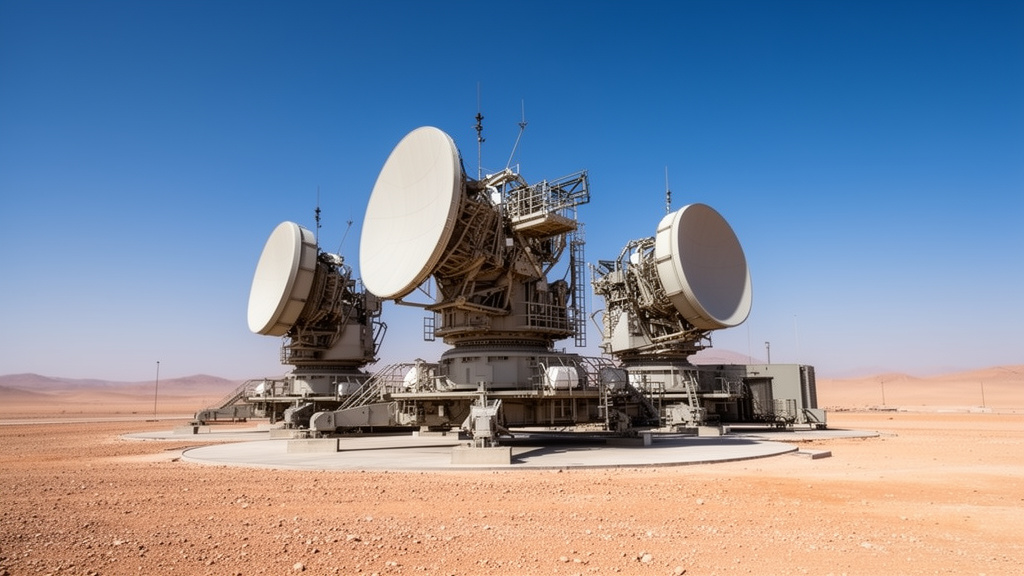
In a day of rapid military developments, the Middle East crisis has intensified as Israel conducted targeted airstrikes against Iranian weapons facilities. Simultaneously, a US military aircraft crashed in a remote region of Iraq, sparking an immediate and high-stakes rescue effort. These events, occurring within hours of each other on Friday, March 13, 2026, have raised urgent questions about the stability of the region and the potential for a direct confrontation between major powers. While Israel maintains its right to preemptive defense against Iranian-backed threats, the US is investigating the cause of the crash in Iraq, which remains unclear as of this report.
The Deep Dive
Israel Targets Iranian Military Infrastructure
In the early hours of Friday, the Israel Defense Forces (IDF) initiated a series of airstrikes across several strategic locations. Intelligence reports suggest these sites were being used by Iran’s Islamic Revolutionary Guard Corps (IRGC) to assemble advanced precision-guided munitions and long-range drones. The Middle East crisis live updates indicate that the strikes were focused on the periphery of major military complexes, aiming to minimize civilian casualties while maximizing the destruction of sophisticated hardware.
Defense analysts suggest that this move is a direct response to an increase in cross-border incursions and intelligence pointing toward a planned large-scale shipment of weapons to regional affiliates. The Israeli government has reiterated its ‘red line’ regarding the presence of advanced Iranian weaponry near its borders, stating that it will take any necessary action to ensure its national security.
The US Plane Crash in Iraq: A Rescue Under Fire

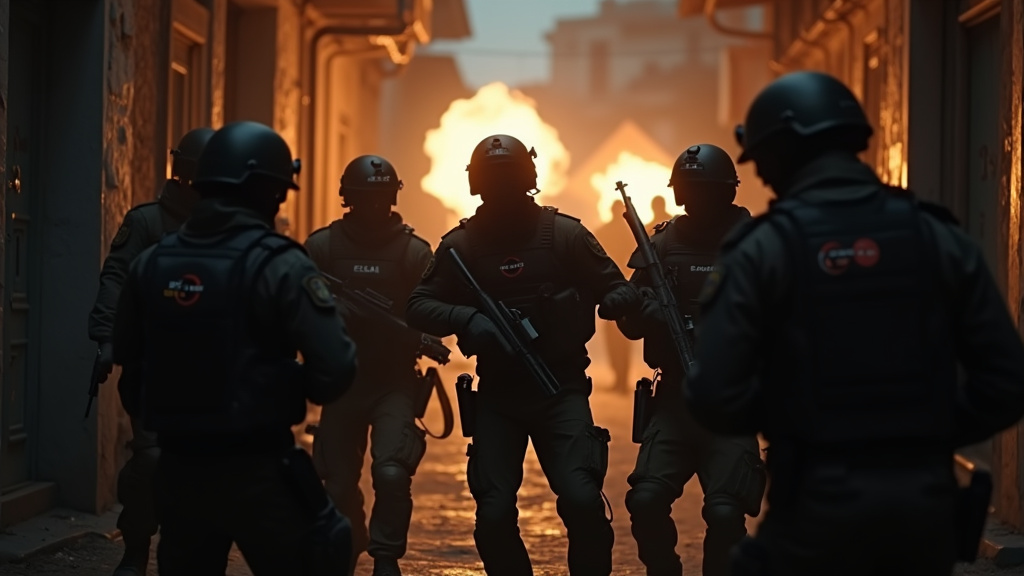


As news of the Israeli strikes broke, reports emerged of a US military aircraft going down in the Anbar province of Iraq. The Pentagon confirmed that a transport plane carrying logistics personnel was lost. Rescue efforts are continuing after the US plane crash in Iraq news today became the secondary focal point of the regional instability.
Initial reports from the ground suggest that the environment remains hostile. US Special Operations Forces, supported by Iraqi counterparts, have established a security perimeter around the wreckage. While there is no immediate evidence of enemy fire causing the crash, the proximity to various militia-held territories has made the recovery operation exceptionally delicate. The status of the crew members remains classified as the search for survivors continues through difficult terrain and visibility conditions.
Geopolitical Fallout and the Path to De-escalation
The convergence of these two events has created a diplomatic nightmare for international mediators. The United Nations Security Council has called for an emergency session to address the escalating violence. Many regional neighbors, including Jordan and Egypt, have expressed deep concern that the situation could spiral into a broader regional war that would disrupt global energy markets and humanitarian corridors.
Washington has been in constant contact with Jerusalem to coordinate the next steps, while simultaneously demanding clarity from Baghdad regarding the security situation near the crash site. The coming 48 hours are viewed by many as a critical window for diplomacy; if Tehran chooses to retaliate for the weapons facility strikes while the US is still vulnerable in Iraq, the threshold for a full-scale conflict may be crossed.
FAQ: People Also Ask
Q: Was the US plane crash in Iraq caused by a missile?
A: Currently, the Pentagon has not confirmed the cause of the crash. Investigations are ongoing, and officials are looking into mechanical failure, pilot error, and the possibility of external interference.
Q: What specific types of facilities did Israel target?
A: Reports indicate that the facilities were primarily involved in the development of precision-guided munitions (PGMs) and unmanned aerial vehicle (UAV) components associated with the IRGC.
Q: How is the international community responding?
A: Most international leaders are calling for restraint. The EU and UN are pushing for a ceasefire in hostilities to allow for humanitarian aid and to prevent a total breakdown of regional security agreements.