Headline: ICE Warrantless Entry Collides With ‘Stand Your Ground’ Laws: A Constitutional Firestorm
Recent internal policy shifts by U.S. Immigration and Customs Enforcement (ICE) are sparking major controversy. An internal memo suggests ICE agents can enter homes without a judge’s warrant. This move clashes directly with core constitutional rights. It also creates dangerous potential conflicts with state self-defense laws. This news has ignited a fierce legal and ethical debate.
The Fourth Amendment’s Protection



The U.S. Constitution provides strong protections. The Fourth Amendment guards against unreasonable searches. It specifically shields people’s homes. “Houses” are considered private spaces. This protection applies to everyone. Citizens and non-citizens alike have these rights. The amendment demands judicial warrants for entries. These warrants must be based on probable cause. The Supreme Court has repeatedly affirmed this. Entry into a home is a serious matter. It is the “chief evil” the Fourth Amendment guards against. This principle is well-established in law. Cases like Payton v. New York reinforce it. Even technology used to view inside a home requires a warrant. The home is seen as a place of highest privacy.
ICE’s Asserted Authority
ICE now claims a new interpretation of its powers. A leaked memo from May 2025 suggests agents can use administrative warrants. These are Form I-205 warrants. They are issued internally by ICE. They are not signed by judges. The memo asserts these allow forced entry for arrests. This is especially for individuals with final removal orders. However, legal experts strongly dispute this. They state administrative warrants lack judicial oversight. This makes them insufficient for home entry. Past agency guidance also differs. Current ICE training materials reportedly contradict this new memo.
Understanding ‘Stand Your Ground’
Meanwhile, many states have ‘Stand Your Ground’ laws. These laws affect self-defense rights. They often remove the duty to retreat. This is true even when using force. It applies if someone feels threatened. The “castle doctrine” is a related concept. It states a person’s home is their sanctuary. It allows strong defense against intruders. If an unlawful entry occurs, occupants may use force. This can include deadly force. The occupant presumes danger to life. These laws vary by state. However, the core idea remains: defend your home.
A Dangerous Intersection
Experts warn of significant risks. The collision of these two policies is concerning. If ICE agents enter a home without a judicial warrant, it is an illegal entry. The occupant might then invoke self-defense laws. This could lead to violent confrontations. Such scenarios are called “Wild West shootouts.” Law enforcement and legal experts express alarm. They believe this increases risks for everyone. Agents could face armed residents. Residents could react to perceived threats. This situation could escalate quickly.
Real-World Concerns and Incidents
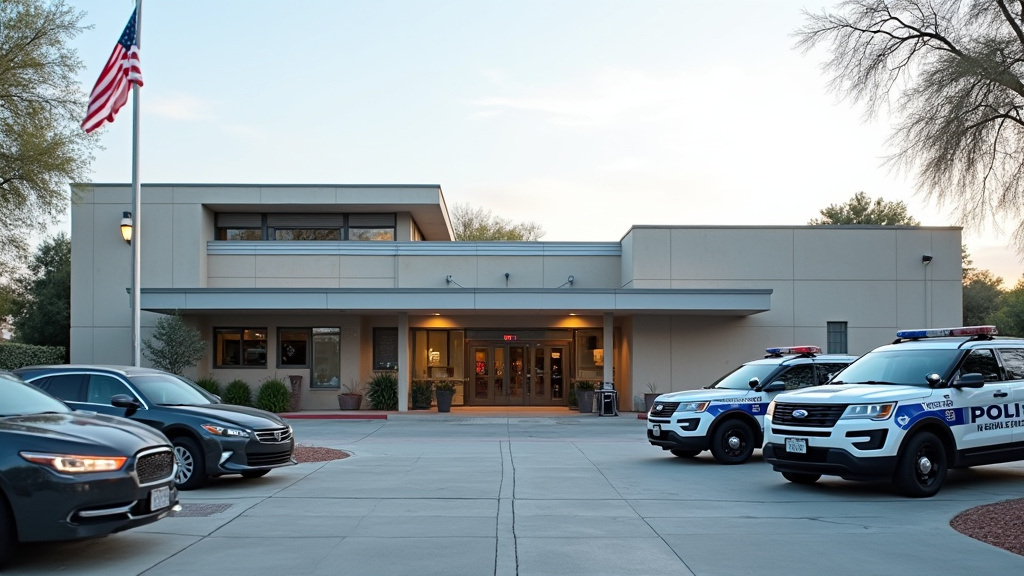
Recent events highlight these fears. In Minnesota, federal agents reportedly forced entry into homes. They did so without judicial warrants. One incident involved detaining a U.S. citizen at gunpoint. These tactics have drawn widespread criticism. Lawmakers have called for immediate action. They demand the memo be rescinded. They stress adherence to the Fourth Amendment. Aggressive enforcement tactics have also led to violence. Several shootings have occurred during ICE operations. Some involved U.S. citizens. These incidents underscore the high stakes involved.
The Path Forward
The legal standing of ICE’s new policy is highly contested. Courts will likely decide these challenges. Many legal analysts believe the memo is unconstitutional. They argue internal memos cannot override the Constitution. The debate involves fundamental rights. It questions the balance between enforcement and liberty. This ongoing news story impacts everyone’s understanding of constitutional protections. The core issue remains: safeguarding homes and rights in “crazy times.” Editorial boards across the nation are watching this closely. The future implications for civil liberties are significant.