The US rental market is red-hot in 2025, creating a challenging environment for renters nationwide. National rental competitiveness scores climbed higher, indicating a significant increase in rental market competition. Key cities like Chicago and New York City saw persistent low vacancy rates. This trend continued despite significant new apartment construction and the rise of adaptive reuse housing. However, overall housing demand vs supply remains unbalanced, leaving renters facing significant challenges in 2025.
A National Picture of Red-Hot Rental Markets
The US rental market saw a significant surge in competition in 2025. The national Rental Competitiveness Index (RCI) reached 75.2, up from 74.4 the previous year. Renters faced a tougher search for apartments, with high demand and limited new construction tightening availability. Many renters chose to renew their leases for stability, further reducing the number of available units. In fact, renter competition increased across over 80 percent of US markets, underscoring how rental markets red-hot is a nationwide phenomenon.
Chicago’s Growing Rental Appeal in Red-Hot Markets




Chicago emerged as a top trending market, its rental market now considered red-hot. Chicagoland itself boasts a high RCI score. The city’s competitive edge comes from several factors, including affordability compared to coastal cities, drawing many renters. New residents, including younger professionals and remote workers, are flocking to the city, supercharging housing demand and leading to some of the lowest vacancy rates seen in years. This strong demand contributes to Chicago’s reputation as one of the nation’s most rental markets red-hot.
Vacancy rates dropped sharply across Chicago’s submarkets, with ten tracked areas seeing triple-digit declines. Class C apartments, in particular, had a very low vacancy rate. Occupancy rates in Chicago’s multifamily sector hover around 95 percent. This tight supply fuels robust rent growth. Class A properties saw annual rent increases of 6.8 percent, and Class C units also posted gains of 4.4 percent. The citywide average rent is projected to reach $2,160 per month, a clear indicator of the chicago rental market‘s intensity.
New York City’s Persistent Housing Squeeze in Red-Hot Markets
New York City’s rental market remained exceptionally tight, with vacancy rates astonishingly low. The metro area saw rates around 2.8 to 3.0 percent, far below the national average. Manhattan’s vacancy rate was just 1.56 percent in September 2025. Limited inventory gives landlords significant leverage, and apartments rent quickly, often with multiple applicants. Rents continue to climb to new record highs, with Manhattan’s median rent surpassing $4,600. Studios and one-bedroom apartments are particularly competitive in new york city rentals, reflecting the broader trend of rental markets red-hot.
Construction Slowdown and Adaptive Reuse Impact on Red-Hot Rental Markets
A significant factor contributing to low vacancies is slowing construction. Multifamily construction starts have fallen dramatically, and the national construction pipeline is at its lowest in years. This slowdown means fewer new units are entering the market. Chicago’s new apartment pipeline is at its lowest in over a decade. This limited new supply strengthens the position of existing properties, further intensifying the rental markets red-hot environment.
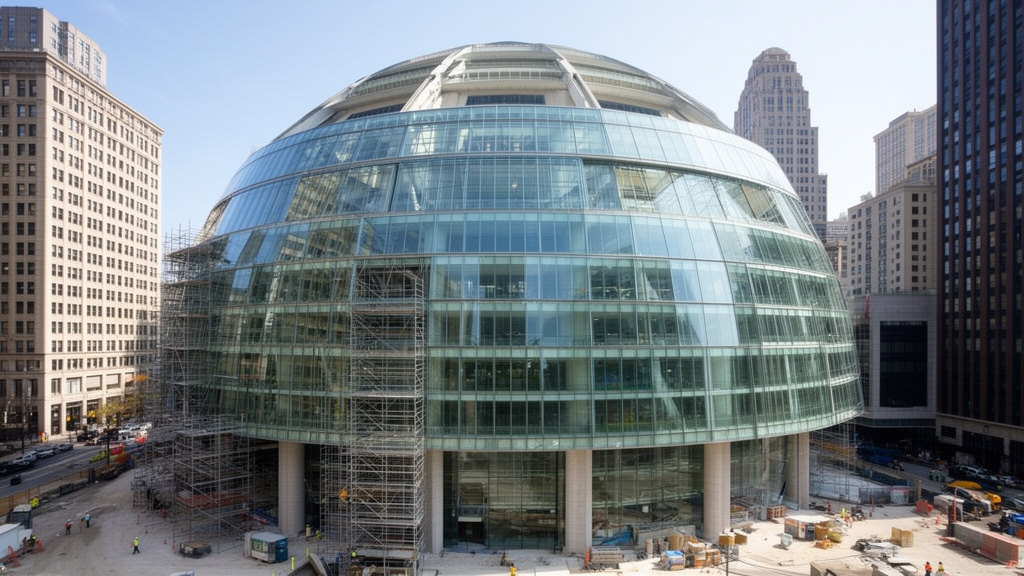
Adaptive reuse projects are playing a key role, with this trend involving converting older buildings into apartments. Chicago has emerged as a national leader in these conversions, seeing 880 units delivered from repurposed buildings in 2024. Office-to-residential conversions are a major focus, helping to meet housing demand and revitalize underused commercial spaces. New York also leads in conversions, but Chicago’s surge in adaptive reuse is notable news, especially given the rental markets red-hot conditions.
What Renters Can Expect in Red-Hot Rental Markets
The outlook for 2026 suggests continued competition. High demand, particularly in popular cities like Chicago, persists. While some new supply is coming online, it is not enough to meet demand, exacerbating the housing demand vs supply issue and contributing to renter challenges 2025. Renters seeking apartments in these prime locations will still face challenges. Speed and information are crucial for securing a place to live. Affordable options are increasingly sought after, but the most popular markets remain highly competitive, a testament to how rental markets red-hot.