President Trump is moving swiftly to consolidate American leadership in the artificial intelligence sector, officially announcing the formation of a new AI advisory council comprised of the nation’s leading technology CEOs. This strategic initiative aims to bridge the gap between rapidly evolving private sector capabilities and federal regulatory frameworks, ensuring that the United States remains at the forefront of the global AI race while addressing emerging concerns regarding safety, ethics, and national security.
- President Trump establishes a new high-level AI advisory council to guide federal policy.
- Top executives from leading tech giants have been invited to participate in the initiative.
- The council will focus on balancing rapid AI innovation with robust national safety protocols.
- Strategic goal: Securing American technological dominance against increasing global competition.
The Deep Dive
A Strategy for American Tech Dominance
The formation of this council marks a significant shift in how the current administration intends to govern the rapidly expanding artificial intelligence landscape. By bringing the architects of modern AI directly into the federal decision-making loop, President Trump is prioritizing industry expertise to navigate the complex challenges posed by generative AI and autonomous systems. This collaborative approach is designed to prevent burdensome regulations that might stifle domestic development while simultaneously establishing guardrails that protect national security interests.
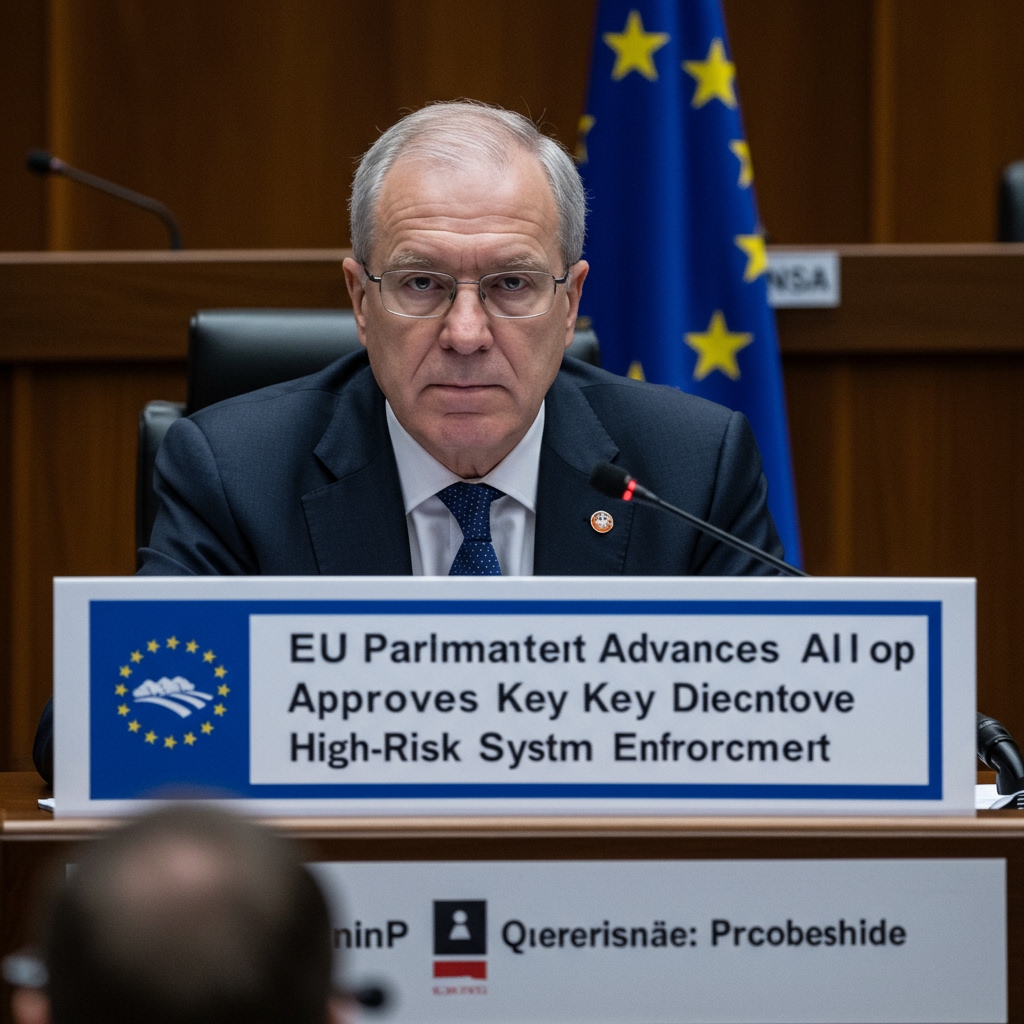



Critics and supporters alike are watching closely to see how this council balances the competing interests of open-source innovation, proprietary enterprise technology, and public safety. The administration’s focus is clear: to create an environment where American corporations can outpace international rivals, particularly those in markets with heavy state-led development models. By leveraging the insights of industry titans, the White House expects to accelerate the deployment of AI across critical infrastructure, defense, and economic sectors.
Bridging the Innovation-Regulation Gap
One of the primary mandates of the newly formed AI advisory council is to provide actionable recommendations on infrastructure requirements, energy demands for massive data centers, and the development of talent pipelines. The integration of high-level technical input into executive policy is intended to prevent the ‘technological stagnation’ often associated with legacy regulatory approaches. The council is expected to meet on a quarterly basis, with sub-committees focusing on specific domains such as cybersecurity, ethical algorithmic deployment, and the socioeconomic impacts of workforce automation.
For the tech executives involved, this invitation represents a unique opportunity to shape the legislative environment in which their companies will operate for the next decade. Industry leaders have long advocated for a clearer, more predictable federal stance on AI development. By securing a seat at the table, these executives hope to harmonize state-level regulations and federal standards, creating a cohesive national strategy that fosters long-term investment and stability. The council’s first reports, due within the next six months, are anticipated to set the tone for the administration’s broader economic and technological agenda throughout the current term.
The Geopolitical Stakes of AI
Beyond domestic policy, the council serves a pivotal geopolitical function. As global powers compete for dominance in artificial intelligence—seen by many experts as the cornerstone of the next industrial revolution—the U.S. government is treating AI capability as a vital matter of national security. The administration believes that by aligning government priorities with the R&D trajectories of major tech firms, the U.S. can better maintain its edge in hardware supply chains, semiconductor manufacturing, and foundational model research. The council is expected to examine how export controls, investment restrictions, and international partnerships can be better utilized to protect critical American AI assets while promoting an open, innovative global market.
FAQ: People Also Ask
Who has been invited to join the AI advisory council?
The administration has invited CEOs from the largest U.S. technology companies, including representatives from cloud computing giants, semiconductor manufacturers, and leading generative AI research firms.
What is the primary goal of the council?
The primary goal is to provide expert guidance to the White House to ensure U.S. leadership in AI development while establishing necessary safety standards to address national security and ethical concerns.
How will this council influence future AI regulation?
The council will act as a consultative body, providing the White House with industry-informed recommendations that will likely shape future executive orders, federal agency guidelines, and potential legislative frameworks regarding AI technology.