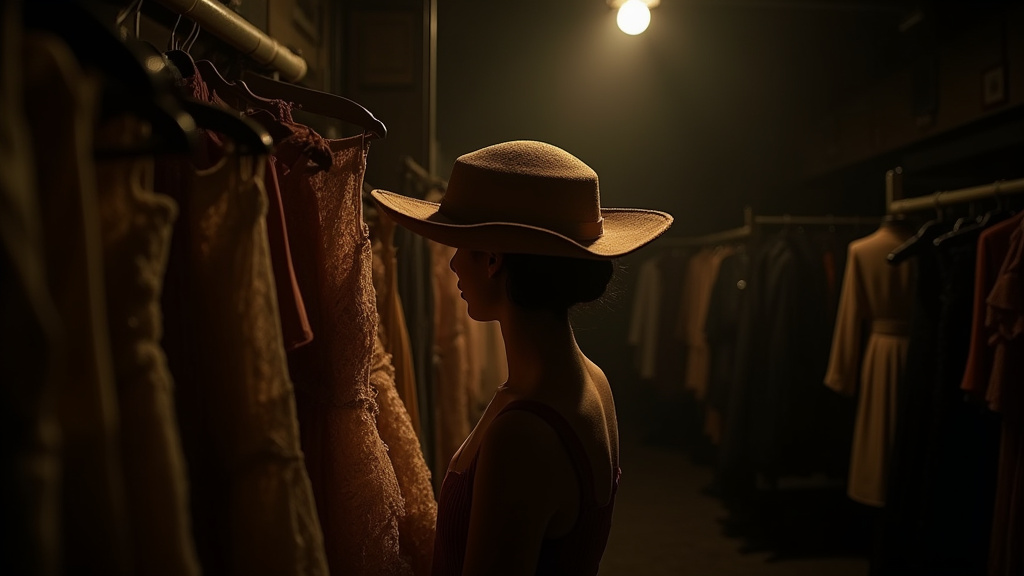
Curated Spaces: Helen Yi Redefines Future Fashion Retail
The future of fashion retail is not lost. It is evolving. Helen Yi, a prominent curator from Chicago, leads this change. She believes physical stores are more important than ever. Yi views stores as storytelling mediums. She challenges the idea that retail is obsolete. Her approach emphasizes context and cultural vision. This is a significant News for the fashion industry.
The Store as a Narrative Medium



Yi’s work reshapes independent fashion retail. Her Bucktown boutique became a destination. It was not just about selling products. It focused on a coherent vision. Designers were chosen for their story. They fit into a larger cultural narrative. This created an immersive experience. Shoppers sought understanding. They asked questions about why items mattered. This dialogue sets Yi’s approach apart. It invites interpretation. It encourages visitors to look closely. It helps them connect objects to their lives. This is a key element in modern fashion.
Beyond Trends: A Cultural Vision
Yi’s philosophy rejects chasing trends. It also bypasses sheer product volume. Instead, it prioritizes cultural resonance. She translates vision into tangible environments. This work challenges outdated retail models. Physical retail is not a thing of the past. It is a medium for intelligent commerce. Yi sees digital and physical as partners. They are not opposing forces. Her work proves this integration is possible. It creates long-term cultural impact.
Chicago’s Role in Retail Evolution
Chicago plays a key role. Helen Yi’s influence is strong there. Her Bucktown boutique redefined local fashion retail. It became a hub for artists and designers. It attracted culturally aware consumers. They understood shopping could be engagement. This community focus is vital. Neighborhoods shape taste, Yi notes. Her work integrates with the local ecosystem. This creates authentic retail experiences. It shows how cities can foster unique fashion scenes.
The Curator’s Advantage
Curators like Helen Yi are essential. They are not corporations. They are individuals with a clear point of view. They understand culture. They respect craftsmanship. They build spaces for ideas. Retail’s future depends on them. These individuals synthesize fashion, art, and design. They create cohesive experiences. This is what makes them invaluable. They shape what comes next. This approach is gaining recognition.
Experiential Retail Dominates
Modern consumers want more. They seek experiences, not just transactions. Physical stores are transforming. They become immersive, tech-powered spaces. This is a direct response to online growth. Retailers must reimagine their purpose. They are finding creative ways to do this. This includes gamification and themed displays. Stores become like exhibitions. They offer entertainment and escapism. They are cultural destinations. This elevates the shopping experience. It fosters sophisticated discovery.
The Future is Human-Centric
Technology is important. But it should not replace human connection. Consumers are wary of robots. They prefer human interaction. Virtual fitting rooms are a concept. But many shoppers still value touch. They want genuine service. This highlights a key trend. Retail experiences should be personal. They should be based on taste. Technology can enable this. It should enhance, not replace, human elements. This is crucial for fashion.
A New Era for Fashion
Helen Yi’s vision is clear. Physical retail is evolving. It requires thoughtful curation. It needs cultural context. It thrives on storytelling. This approach makes stores destinations. It attracts a discerning clientele. It builds lasting connections. It offers something unique. This is the future of fashion retail. It belongs to those who understand culture. It is shaped by curators.