The Chicago Bulls narrowly avoided what would have been a humiliating entry into the franchise’s history books during their recent clash with the New York Knicks. As the first quarter unfolded, the Bulls struggled mightily, finding themselves on the precipice of a record-low offensive output that would have eclipsed their worst historical performances. Fans watched in tension as the scoreboard barely ticked upward, reflecting a stagnation that has plagued segments of the team’s season thus far. While the Bulls managed to stabilize just enough to bypass the ignominious distinction of a franchise-worst opening frame, the performance underscored systemic challenges currently facing the roster.
Analyzing the Offensive Stagnation



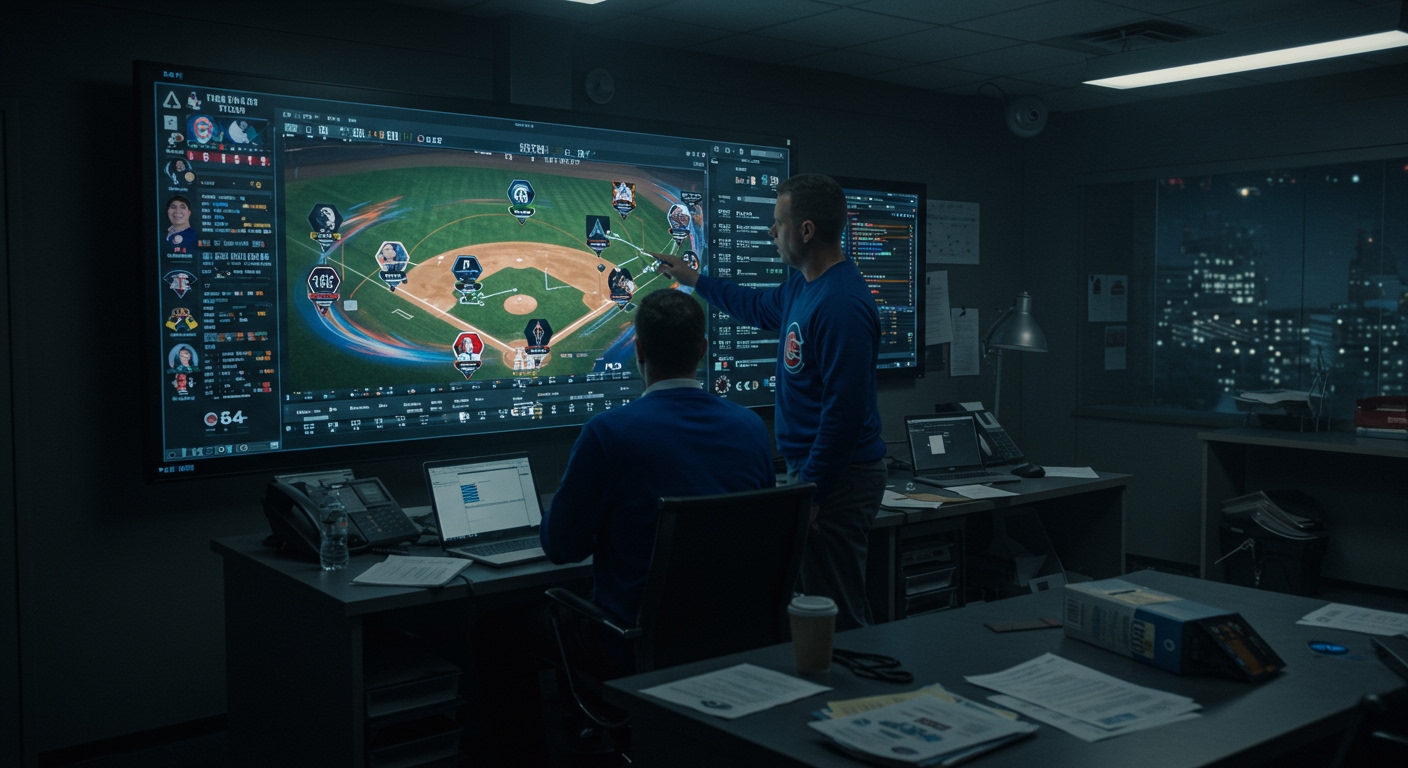
The core issue throughout the early portion of the game was a combination of poor shot selection and intense defensive pressure applied by the Knicks. New York’s perimeter defense stifled the Bulls’ ball movement, forcing difficult, contested shots that rattled out of the rim repeatedly. This reliance on isolation plays rather than structured team basketball allowed the Knicks to build an early lead, forcing the Bulls into a state of catch-up basketball for the remainder of the evening. For coaching staff and analysts alike, this near-miss serves as a stark wake-up call regarding the team’s ability to execute under pressure.
Sustained Momentum vs. Inconsistent Execution
The primary concern for the Chicago organization remains consistency. While the team possesses the individual talent to compete with top-tier Eastern Conference opponents, the inability to initiate games with intensity and offensive flow remains a significant hurdle. When the offense stalls early, it puts immense pressure on the defense to be perfect—a standard that is difficult to maintain over the course of an 82-game season. Moving forward, the coaching staff will likely emphasize improved screening actions and a faster transition pace to ensure that the team is not relying on last-minute rallies to mask sluggish starts.
The Path Forward: Strategic Adjustments
To avoid future near-disasters, the Bulls must look toward optimizing their rotation patterns. Integrating bench production earlier in the first half could potentially provide the spark needed to avoid lulls. Furthermore, ball security was another point of contention in this matchup; too many unforced turnovers handed the Knicks transition opportunities, which compounded the offensive struggles. If the team can tighten their handle and commit to a more selfless brand of basketball, they will find themselves in a much better position to climb the standings as the season progresses. The proximity to a franchise-worst record should serve as a catalyst for immediate strategic introspection.
FAQ: People Also Ask
Q: What is the Chicago Bulls’ actual franchise-worst first quarter record?
A: The franchise-worst first quarter involves an incredibly low point total that the team successfully avoided in this specific matchup. Historically, the team has had very few instances of such anemic scoring, making this close call notable.
Q: How did the Knicks capitalize on the Bulls’ slow start?
A: The Knicks utilized aggressive, high-pressure defense to disrupt the Bulls’ offensive sets, forcing turnovers and capitalizing on fast-break opportunities that allowed them to take an early double-digit lead.
Q: Does this game impact the Bulls’ playoff seeding?
A: While one regular-season game does not decide a playoff spot, the loss contributes to the team’s overall win-loss record, which is vital in a highly competitive Eastern Conference where small margins determine seeding.