There are films that entertain, and then there are films that unsettle you long after the credits roll. Ryûsuke Hamaguchi’s Evil Does Not Exist belongs firmly in the latter category, pulling audiences into a deeply reflective narrative about humanity’s complex relationship with nature, greed, and responsibility. Released in October 2024, this eco-parable is a patient and thought-provoking follow-up to his critically acclaimed Drive My Car, which earned Hamaguchi widespread recognition. While the film draws on the same poetic cadence as Drive My Car, Evil Does Not Exist ventures into even murkier, philosophical waters, grappling with mankind’s environmental sins and the haunting consequences.
A Premise Rooted in Nature’s Clash with Corporate Greed
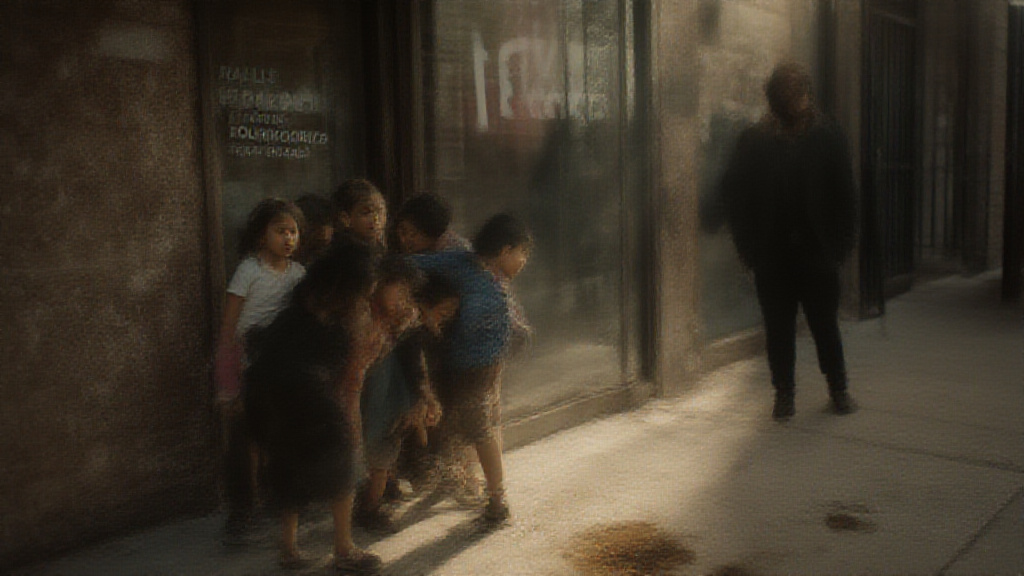
Set in the quiet rural village of Mizubiki, not far from Tokyo, Evil Does Not Exist centers on Takumi (Hitoshi Omika), a handyman and single father raising his daughter, Hana. Their lives are deeply intertwined with the rhythms of the natural world—they gather water from the local spring, chop wood, and collect wild wasabi for a local restaurant. All of this idyllic peace, however, is threatened when a talent agency proposes a luxury glamping resort, pitching the idea of “escaping into nature” without any real regard for the environmental impact their project would have on the fragile ecosystem.
Hamaguchi skillfully juxtaposes the simplicity and beauty of rural life with the callous arrogance of urban development. Takumi’s village is depicted as a tight-knit community deeply connected to its surroundings, while the city dwellers and developers are portrayed as outsiders who barely grasp the consequences of their actions. This clash forms the heart of the film, as Hamaguchi weaves a slow, methodical narrative that gradually builds to a tense and unsettling finale.
The Slow Burn Approach: A Story of Restraint
If you’re looking for quick thrills or fast-paced action, Evil Does Not Exist may leave you frustrated. The film takes its time—perhaps too much time for some. Much of the first half is dedicated to observing Takumi’s day-to-day activities: chopping wood, fetching water, and attending to the land. Hamaguchi’s camera lingers on these moments, capturing the repetitive but meditative nature of Takumi’s life in a near-documentary style. The slowness is intentional, lulling the viewer into a false sense of security before the film’s tone begins to shift in its second half.
This deliberate pacing is a double-edged sword. On the one hand, it imbues the film with a naturalistic charm, allowing the audience to become fully immersed in the rhythms of rural life. On the other, it can feel excessively slow for modern viewers, especially those unfamiliar with Hamaguchi’s style. However, for those willing to sit with the film’s patient unfolding, the payoff is significant.
A Visually Arresting Meditation on Nature
Cinematographer Yoshio Kitagawa deserves special mention for his work in Evil Does Not Exist. The film’s natural landscapes—dominated by dense forests, rivers, and mountains—are captured with a reverence that is nothing short of breathtaking. The visuals are a constant reminder of the scale and beauty of the natural world, dwarfing the human characters who, by contrast, seem small and insignificant. It’s not hard to draw a parallel between this visual dynamic and the film’s larger environmental message: nature will always be larger, more powerful, and more enduring than humanity’s transient efforts to control it.
Kitagawa’s cinematography also plays a significant role in building tension. As the developers begin their work, the camera shifts from expansive landscapes to more claustrophobic, confined spaces, reflecting the tightening noose of human intervention on the natural world. This visual storytelling culminates in a haunting final sequence that feels both inevitable and deeply ambiguous.
The Town Hall Scene: A Battle of Wits
One of the film’s most memorable scenes is a lengthy town hall meeting where representatives of the glamping project try to win over the skeptical locals. What begins as a civil discourse quickly evolves into a dismantling of the developers’ plans, as the villagers articulate their well-founded concerns over the environmental impact of the project. The scene serves as both a dramatic high point and a thematic summation of the film’s core conflict: the tension between nature and human encroachment.

The two young PR professionals, Takahashi (Ryûji Kosaka) and Mayuzumi (Ayaka Shibutani), arrive in the village with a mixture of naivety and smugness, thinking they can easily sell their concept of glamping to the villagers. However, their plan backfires as the villagers politely, yet firmly, eviscerate their ideas. The polite veneer of the discussion masks an undercurrent of rage and defiance—a slow boil of emotions that mirror the film’s own restrained fury.
A Shocking, Ambiguous Finale
Without giving too much away, the film’s ending is sure to be a topic of debate for audiences and critics alike. Hamaguchi has a knack for subverting expectations, and just when you think Evil Does Not Exist will stay firmly within the realm of quiet, contemplative drama, it veers into something darker, almost nightmarish. The ending doesn’t provide easy answers; instead, it leaves the viewer grappling with questions about humanity’s place in the natural world and the long-term consequences of our actions.
While some might find the ending unsatisfying or too ambiguous, it’s consistent with Hamaguchi’s broader filmmaking philosophy: life is messy, and not every story has a neat, tidy conclusion. Evil Does Not Exist doesn’t pretend to have all the answers—instead, it forces us to confront the uncomfortable truths about our relationship with the environment and each other.
Final Verdict: An Eco-Parable Worth Your Patience
Ryûsuke Hamaguchi’s Evil Does Not Exist is not an easy film to categorize. It’s part ecological parable, part character study, and part philosophical meditation. What’s clear, however, is that it’s a film of quiet power, one that asks difficult questions without offering simple solutions. Its deliberate pacing, stunning cinematography, and subtle performances make it a deeply immersive experience—though one that requires patience and attentiveness.
For those willing to invest in its slow-burn narrative, Evil Does Not Exist offers a rich, thought-provoking experience. It’s a film that lingers long after the screen goes dark, inviting viewers to reflect on the delicate balance between humanity and the natural world. In an era of flashy blockbusters and fast-paced thrillers, Hamaguchi’s film is a refreshing reminder that cinema can still be an art of quiet, contemplative beauty.
FAQs
What is Evil Does Not Exist about?
The film is set in a small Japanese village where a talent agency proposes a luxury glamping site. The villagers, deeply connected to their environment, push back against the development, sparking a deeper conversation about humanity’s impact on nature.
Is the film fast-paced?
No, Evil Does Not Exist is a slow-burn film that takes its time establishing its setting and characters. The pacing is deliberate, reflecting the rhythms of rural life.
What genre does Evil Does Not Exist belong to?
The film is a mix of drama and eco-parable, with elements of psychological tension and social critique.
Is Evil Does Not Exist like Drive My Car?
Both films share Hamaguchi’s signature poetic and contemplative style, but Evil Does Not Exist leans more into environmental themes, whereas Drive My Car focused on personal grief and relationships.
What makes the ending of Evil Does Not Exist so controversial?
The ending is open to interpretation and takes a darker turn than the rest of the film, leaving many viewers to debate its meaning and implications.
Why should I watch Evil Does Not Exist?
If you enjoy films that challenge you to think deeply about environmental and societal issues—and you have the patience for a slow, meditative narrative—Evil Does Not Exist is a must-watch.