As the world turns its eyes to the Emerald Isle, the St Patrick’s Weekend Festival officially commenced today, March 13, 2026, marking the beginning of a four-day celebration of heritage, art, and community. Centered in Dublin but echoed in cities from New York to Sydney, this year’s festivities are expected to be the largest in the event’s history. With the iconic National Parade scheduled for March 17, the city has already transformed into a sea of green, welcoming a diverse global audience to participate in a program that blends ancient Celtic traditions with modern, tech-forward artistic displays.
The Deep Dive
The 2026 iteration of the festival arrives at a time of cultural resurgence for Ireland. Under the creative direction of the National Festival Committee, this year’s program is designed to move beyond traditional tropes, focusing instead on the concept of ‘Cosmic Connections.’ This theme explores Ireland’s ancient astronomical sites, such as Newgrange, while celebrating the country’s growing influence in global tech and space exploration sectors.
The Grand Parade: A Move Toward the Future

The centerpiece of the St Patrick’s Weekend Festival remains the National St. Patrick’s Day Parade. Organizers have confirmed that for 2026, the parade will feature 12 massive pageants, 15 international marching bands, and over 4,000 participants. In a significant shift toward environmental responsibility, the festival has achieved a ‘Net Zero’ parade status. Every float this year is either powered by hidden electric drivetrains or is entirely human-powered by performers. The aesthetic is described as ‘Cyber-Celtic,’ featuring bioluminescent materials and augmented reality (AR) elements that spectators can view through their smartphones as the floats pass by.
The Festival Quarter: A Cultural Hub
Returning to the historic grounds of the National Museum of Ireland, Decorative Arts & History at Collins Barracks, the ‘Festival Quarter’ serves as the beating heart of the weekend’s nightlife and daytime family activities. By day, the site hosts ‘Cirque de l’Hibernia,’ a showcase of contemporary Irish circus and street theater. By night, it transforms into a high-octane concert venue. This year’s lineup features a mix of traditional folk legends and chart-topping electronic artists, reflecting the dual nature of modern Irish identity. The ‘Spiegeltent’ stage will host intimate poetry slams and traditional ‘trad’ sessions that go late into the night.
Global Greening and Economic Impact
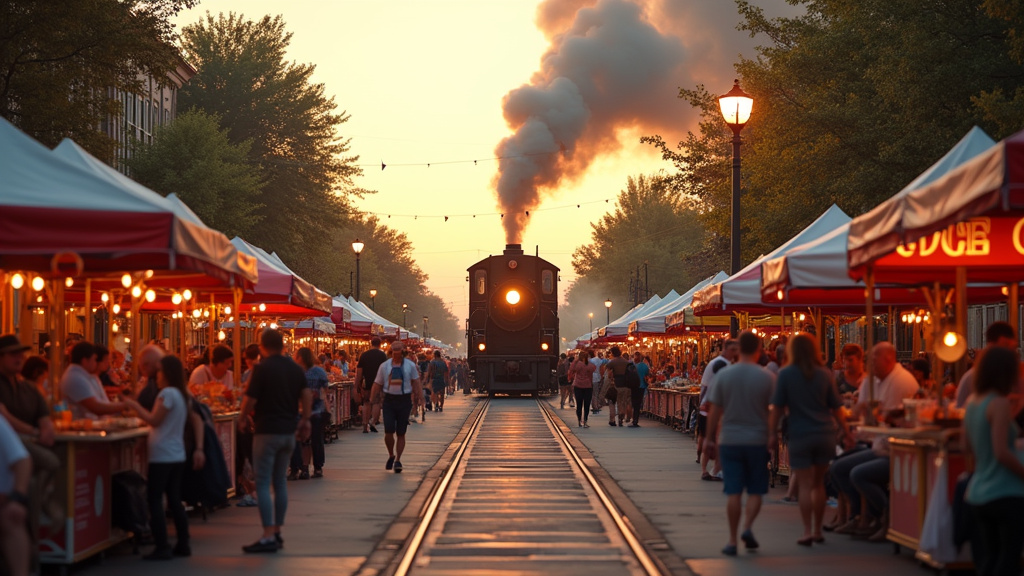
The ‘Global Greening’ initiative, where world landmarks are illuminated in emerald light, has reached a new milestone in 2026. Over 700 landmarks across 70 countries—including the Pyramids of Giza, the Great Wall of China, and the Empire State Building—will participate. This global visibility serves as more than just a cultural tribute; it is a primary driver for Ireland’s tourism industry. Fáilte Ireland reports that hotel occupancy in Dublin has reached 98%, with significant spillover into neighboring counties like Kildare, Meath, and Wicklow. The influx of high-spending international tourists is a vital injection for the local economy, particularly for the small-scale artisanal vendors who populate the festival’s many food and craft markets.
Safety and Infrastructure
Given the record-breaking attendance, Dublin City Council has implemented an enhanced ‘Smart City’ crowd management system. Real-time data from sensors and mobile networks will be used to manage pedestrian flow and prevent overcrowding in areas like Temple Bar and O’Connell Street. Public transport has been bolstered with 24-hour DART and Luas services running throughout the weekend to ensure that the hundreds of thousands of revelers can navigate the city safely and efficiently.
FAQ: People Also Ask
What time does the Dublin St. Patrick’s Day Parade start?
The main parade begins at 12:00 PM on Tuesday, March 17, 2026. It starts at Parnell Square and travels through the city center, crossing the River Liffey and ending at Kevin Street.
Is the St. Patrick’s Weekend Festival free to attend?
While the parade and many street performances are free to the public, certain events within the Festival Quarter at Collins Barracks and specific theater performances require pre-booked tickets.
What is the best way to get around Dublin during the festival?
Public transport is highly recommended as many city center roads are closed to private vehicles. The Luas (light rail) and Dublin Bus will have modified routes, and spectators are encouraged to use the official Festival App for real-time travel updates.