The Chicagoland Chamber of Commerce recently brought together industry titans, rising stars, and policymakers for ‘Inside Chicago’s Food Ecosystem: Women Leading the Way.’ This event served as a high-level forum to dissect the economic impact, innovation, and ongoing challenges facing female-led enterprises within one of America’s most competitive culinary markets. As Chicago continues to solidify its reputation as a global gastronomy hub, the discourse focused heavily on how diverse leadership is driving sustainability, equity, and new business models from farm-to-table.
- Exploration of the unique obstacles female entrepreneurs face regarding capital acquisition and supply chain management.
- Discussions on leveraging Chicago’s diverse neighborhoods to build authentic, scalable food brands.
- Spotlight on sustainable sourcing practices that define the next generation of Chicago’s hospitality scene.
- Networking opportunities connecting established restaurateurs with emerging culinary innovators.
The Deep Dive: Empowering Culinary Leadership
The culinary landscape in Chicago is undergoing a profound metamorphosis, one increasingly defined by the strategic foresight and operational excellence of women. The Chicagoland Chamber of Commerce initiative highlighted that women are not merely participating in the food ecosystem; they are actively redesigning its foundations. By prioritizing transparency in sourcing and community-driven business models, these leaders are proving that profit and social impact are not mutually exclusive.
Breaking Barriers in the Hospitality Industry
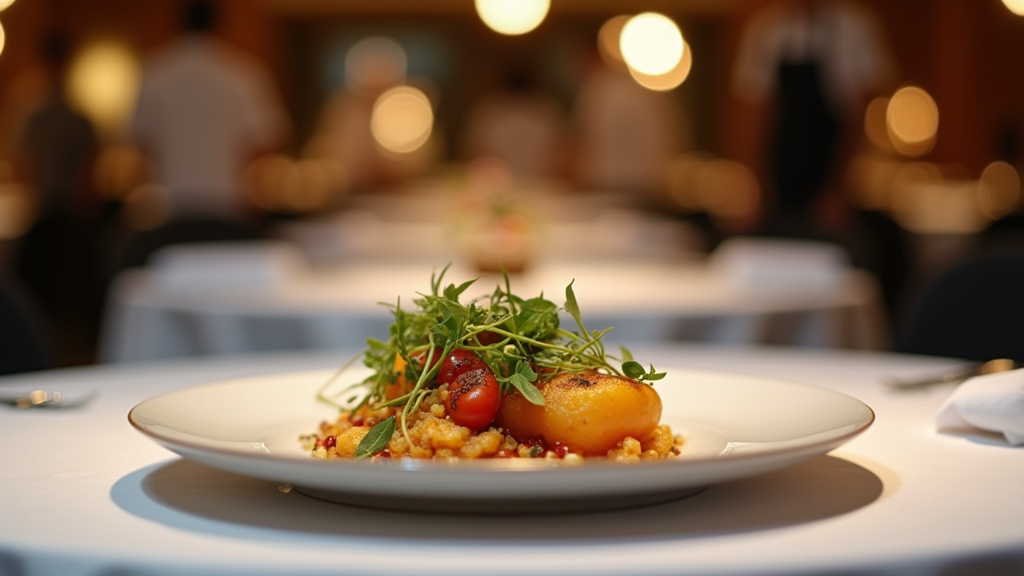

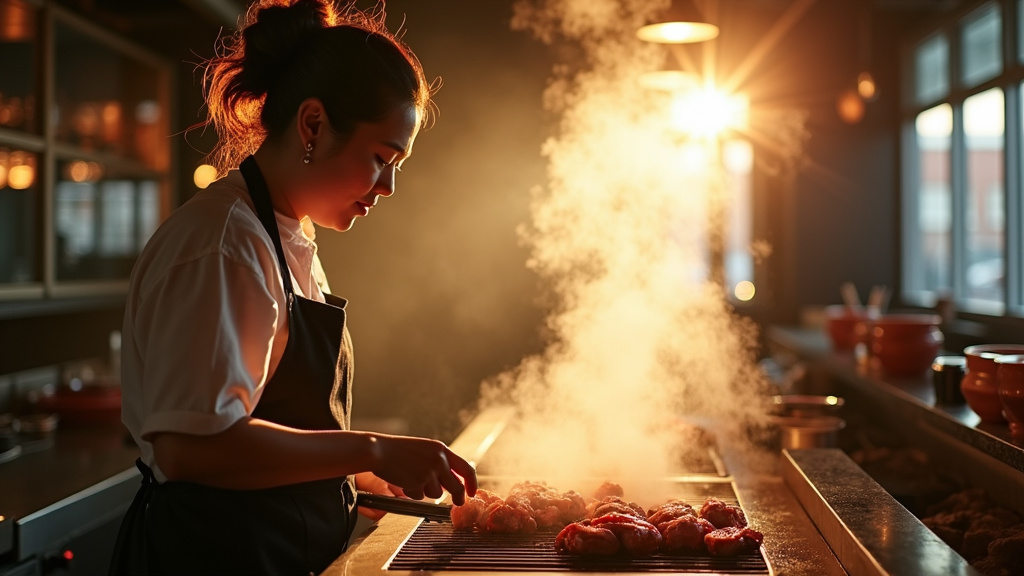

Historically, the professional kitchen and the boardroom of food corporations have been heavily male-dominated. However, the event showcased a shift in this paradigm. Attendees discussed how networking, mentorship, and structured investment programs are beginning to level the playing field. Experts at the event emphasized that female founders in Chicago are successfully navigating systemic barriers by building collaborative communities rather than competing in silos. The dialogue underscored that when women lead, they often implement more flexible, inclusive workplace cultures that combat high turnover rates—a persistent issue in the hospitality sector.
Scaling Innovation and Sustainability
Innovation was a central theme of the gathering, specifically regarding how technology and sustainability are being integrated into the food supply chain. Female-led startups are currently at the forefront of ‘food tech,’ utilizing data analytics to minimize waste and optimize delivery logistics. These leaders are also championing local agriculture, creating shorter supply chains that directly benefit Chicago’s regional farmers. By emphasizing quality and provenance, these women are meeting the demands of the modern, conscientious consumer while simultaneously fostering economic development throughout the city’s diverse wards.
Future-Proofing the Ecosystem
Looking ahead, the consensus among attendees was clear: continued growth requires intentional support from both the public and private sectors. The discussion pivoted to policy, with leaders calling for better access to micro-loans and business development resources specifically designed for women of color in the culinary space. As Chicago moves forward, the Chamber’s efforts aim to ensure that the city’s food ecosystem remains a beacon of opportunity and innovation, provided that the current momentum toward equity is sustained and scaled. By fostering these vital connections, the Chamber is effectively building the infrastructure required for long-term culinary dominance.
FAQ: People Also Ask
1. What was the main objective of the ‘Inside Chicago’s Food Ecosystem’ event?
The primary objective was to celebrate and analyze the significant contributions of women leaders in Chicago’s culinary industry, while addressing the specific economic and systemic challenges they face in scaling their businesses.
2. Why is Chicago considered a critical hub for these discussions?
As a major metropolitan area with a diverse, robust, and historic food scene, Chicago serves as a microcosm of global food trends, making it an ideal environment for testing sustainable business models and inclusive leadership strategies.
3. How can aspiring female entrepreneurs get involved with the Chicagoland Chamber of Commerce?
Interested professionals can join the Chamber to gain access to dedicated business networks, mentorship programs, and policy advocacy groups that support women-owned enterprises across all sectors, including hospitality.