Navigating Chicago Snowstorm Travel: What You Need to Know About Disruptions
When a major Chicago snowstorm hits, the impact on travel can be significant, especially during peak times like post-Thanksgiving travel. This recent event brought record snowfall, leading to widespread travel chaos and leaving thousands of travelers facing canceled and delayed flights. The snow impacted critical travel days, highlighting the complexities of Chicago snowstorm travel.
A Storm of Records and Chicago Snowstorm Travel
Chicago experienced its snowiest November day ever, with O’Hare International Airport recording a stunning 8.4 inches of snow on Saturday, November 29, 2025, surpassing the old record. The total snowfall from this single storm was significant, with some areas in the Chicago region seeing between 7 to 10 inches. This early-season storm brought a heavy dose of winter, and its impact on Chicago snowstorm travel was immediate and profound. It was the second-highest single-day snowfall at O’Hare since 2015, creating a serious challenge for Chicago snowstorm travel.
Travel Turmoil Grips the City: Chicago Snowstorm Travel Challenges
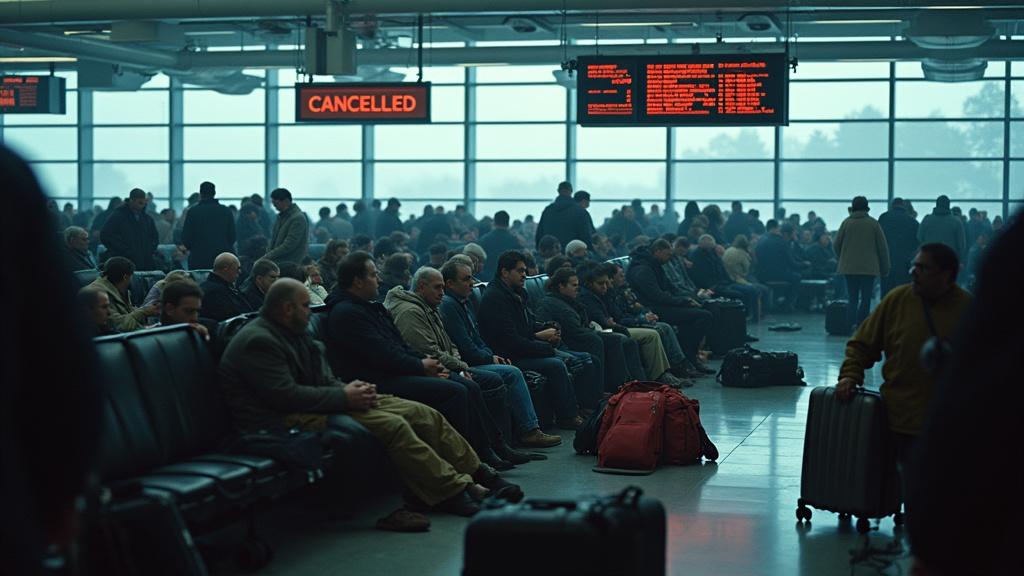
The timing of this winter storm was particularly disruptive, hitting during the peak of post-Thanksgiving travel when millions of Americans were heading home. Chicago’s O’Hare International Airport (ORD) and Midway International Airport (MDW) became centers of major disruption, with O’Hare facing the brunt of the impact. By Saturday afternoon, over 1,000 flights were canceled there, and Midway also saw significant flight cancellations. This marked a critical period for Chicago snowstorm travel.
By Sunday, the numbers grew. O’Hare reported over 1,232 cancellations on Saturday, with Midway having 246 cancellations. By Sunday afternoon, O’Hare saw around 300 additional cancellations. Some reports indicate over 1,400 total cancellations at Chicago airports by Saturday night. Over 7,500 flights nationwide experienced delays on Saturday. The Federal Aviation Administration (FAA) issued ground stop programs due to snow and ice at the airports, further complicating Chicago snowstorm travel. FlightAware tracked hundreds of cancellations and thousands of delays nationwide, underscoring the extensive impact on Chicago snowstorm travel.
Stranded Travelers and Chicago Snowstorm Travel
Thousands of passengers found themselves stranded, facing long lines and uncertainty. Many travelers described chaotic scenes as they struggled to get home after holiday visits, with some experiencing multiple flight delays that added hours to their journeys. Airports became overcrowded, and travelers sought comfort in gate seating areas, restaurants, and even on terminal floors. Airlines issued travel waivers, allowing passengers some flexibility amid the Chicago snowstorm travel difficulties.
Beyond the Airports: Road Impacts on Chicago Snowstorm Travel
The storm’s impact extended beyond air travel. Road conditions deteriorated rapidly. Heavy snow and high winds reduced visibility, making driving hazardous. The Chicago Department of Streets and Sanitation deployed over 220 salt spreaders, and the Illinois Department of Transportation also mobilized crews. Despite these efforts, accidents occurred on area highways. The initial context mentioned approximately 500 crashes, with 66 involving injuries. Some roads experienced closures, and transportation leaders warned that recovery efforts might take days, affecting everyone hoping to navigate Chicago snowstorm travel.
Official Response and Context for Chicago Snowstorm Travel
The National Weather Service (NWS) had issued winter storm warnings covering much of northern and central Illinois. Snowfall rates reached 1 to 2 inches per hour at their peak, with winds gusting up to 30 mph. Temperatures dropped significantly, and arctic air brought wind chills below zero. Officials urged travelers to stay off the roads if possible and advised checking flight statuses, crucial advice for anyone affected by Chicago snowstorm travel disruptions.
This event became a major news story and a viral headline, with the top concern for many being the impact on post-Thanksgiving travel in Chicago. This news highlighted the challenges of severe winter weather and underscored the importance of preparedness for both travelers and authorities, especially concerning Chicago snowstorm travel. The storm served as a stark reminder of nature’s power, impacting millions during a busy holiday period and making Chicago snowstorm travel a significant ordeal.
Looking Ahead: Lessons from Chicago Snowstorm Travel
The storm eventually moved on, but its aftermath lingered. Reduced visibility remained a concern due to fresh snow and wind. The incident affected holiday plans for thousands and led to significant operational challenges for airlines and airports. This event was a testament to the disruptive power of severe winter weather and will be remembered as a significant travel disruption for Chicago, particularly impacting Chicago snowstorm travel.