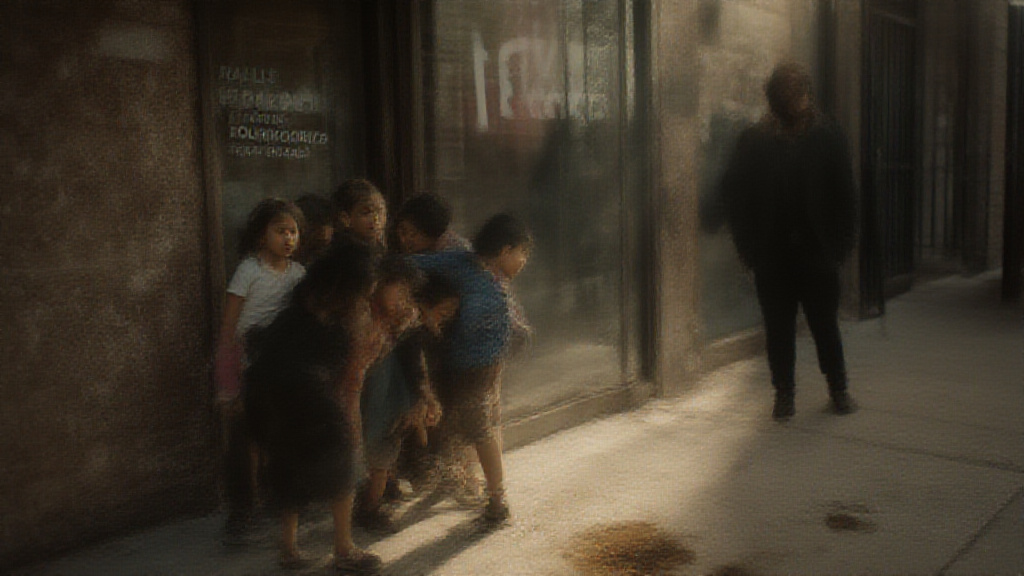
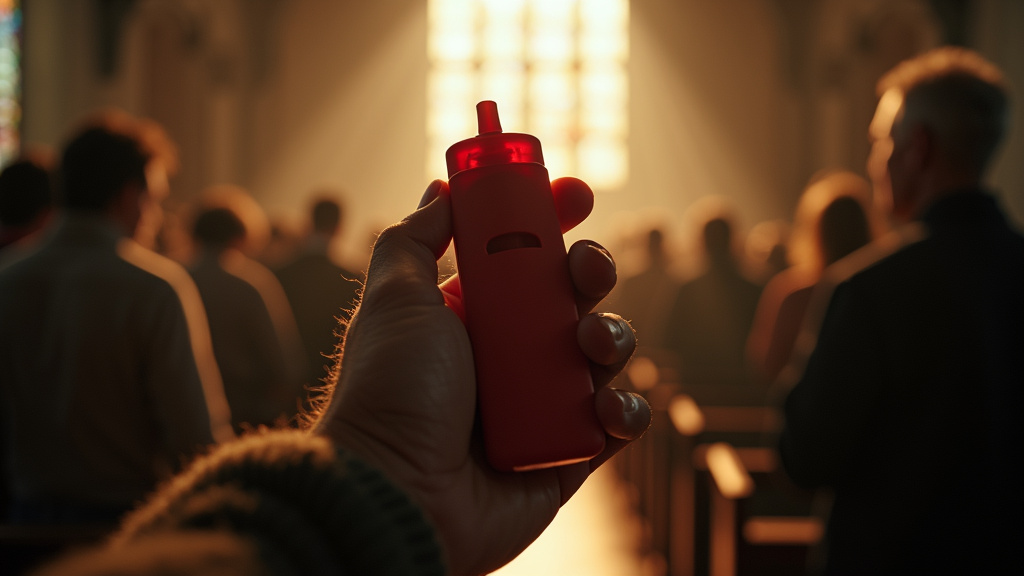
CHICAGO, IL – In a striking demonstration of community solidarity and alarm, St. Teresa de Ávila Episcopal Church in Chicago has begun distributing whistles to its congregants, urging them to sound an immediate alert should U.S. Immigration and Customs Enforcement (ICE) officers appear in the vicinity, amidst concerning Chicago Immigration Raids. This proactive measure stems from a significant increase in immigration raids and aggressive enforcement tactics targeting Chicago and its surrounding suburbs, a situation that has instilled widespread fear and dramatically impacted attendance at religious services. The NEWS from St. Teresa de Ávila highlights a community grappling with heightened anxieties over federal immigration policy and the impact of Chicago Immigration Raids.
Community on Edge Amidst Heightened ICE Activity and Chicago Immigration Raids
The Episcopal Church, known for its Spanish-language and bilingual services, has seen a precipitous decline in congregant numbers, with attendance reportedly down by as much as 75% in recent weeks. Rev. Gary Cox, the church’s vicar, has noted that the fear extends beyond undocumented immigrants, affecting legal residents and even U.S. citizens of Latino descent living in the area. “They are at risk just because they’re Latino and because they live in this area,” Cox stated, underscoring the pervasive nature of the apprehension surrounding Chicago Immigration Raids.
In response to this climate of fear, St. Teresa de Ávila has implemented additional measures to foster a sense of security. Beyond the distribution of whistles, the church has displayed “private area” signs on parts of its building, aiming to deter unwarranted entry and encourage members to attend services with greater confidence. This initiative gained national attention, becoming a HEADLINE for its unusual yet telling response to federal actions and the ongoing threat of Chicago Immigration Raids.
“Operation Midway Blitz” and the Ramifications of Chicago Immigration Raids
The increased ICE presence is largely attributed to “Operation Midway Blitz,” a wide-ranging enforcement effort launched by the Trump administration in early September. Reports from Chicago and its suburbs detail aggressive tactics, including the use of tear gas against protesters, armed agents in military-style fatigues, and arrests made without warrants. In some instances, federal agents have reportedly used helicopters for surveillance and to access apartment buildings, and at least two individuals have been shot by agents, one fatally, during these operations, highlighting the severity of the Chicago Immigration Raids.
Data indicates the scale of these operations. The Department of Homeland Security stated that over 3,000 arrests have been made in Chicago since the beginning of September as part of “Operation Midway Blitz.” This aggressive posture has led to widespread community mobilization and increased fear of immigration raids.
Whistles as a Tool of Resistance and Documentation During Chicago Immigration Raids
St. Teresa de Ávila is not alone in its response. Across CHICAGO, community organizations and residents have adopted similar strategies. Groups like the Little Village Community Council have been distributing whistles at local events, promoting what some are calling “Whistlemania” as a tactic to alert others of ICE presence. These whistles serve as an audible alarm, prompting people to document arrests and potentially deter agents by drawing a crowd during Chicago immigration raids. The piercing sound is intended to be a high alert, signaling an immediate threat and encouraging citizens to act as witnesses to immigration enforcement Chicago. This is a critical aspect of the community response immigration efforts in Chicago.
Other community-driven efforts include “ICE Watch” trainings, where residents learn how to identify federal agents, document enforcement activities, and provide legal information to those detained. Volunteer networks are also active, patrolling neighborhoods and responding to tips about potential ICE operations, aiming to ensure migrant rights Chicago and that they are not left vulnerable to ICE arrest tactics. The rising trend of ICE raids Chicago makes these initiatives vital.
Faith Communities Under Pressure from Immigration Enforcement Chicago
The impact of these raids has deeply affected the spiritual landscape of CHICAGO. Several parishes have reported significant drops in Mass attendance, with some seeing numbers fall by 40-45% or more. Fear of being detained or of churches themselves being targeted has led many to stay home, forcing some to make the difficult decision to forgo religious services, a vital source of community and support. This situation has prompted religious leaders to speak out. Bishop Paula Clark of the Episcopal Diocese of Chicago has visited detained parishioners and voiced her concerns, stating, “Families are being torn apart. Children are left in fear, and communities are shaken by immigration raids and detentions. These actions wound the soul of our city.” Cardinal Blase Cupich, the Catholic Archbishop of Chicago, has also expressed solidarity with migrants, criticizing the administration’s policies and the fear of immigration raids.
Legal Scrutiny and Community Resilience Amidst Chicago Immigration Raids
Adding another layer to the unfolding situation, a federal judge has ordered the release of hundreds of individuals detained by ICE in the Chicago area. Attorneys argue that many arrests were unlawful and violated a federal court order, the Castañon Nava Consent Decree, which limits ICE’s ability to make arrests without warrants. This judicial intervention signals a potential shift in the legal landscape surrounding immigration enforcement Chicago in the region, offering some relief from the constant threat of Chicago immigration raids.
Despite the challenges, the community’s response remains strong. From the distribution of whistles by churches and organizers to the legal battles being waged against federal enforcement tactics, Chicagoans are demonstrating a powerful commitment to protecting their neighbors and asserting their rights. The situation at St. Teresa de Ávila and the broader community’s reaction serve as a poignant reminder of the ongoing tensions between federal immigration policy and the resilient spirit of Chicago’s diverse residents, especially in light of repeated Chicago Immigration Raids. This TOP development continues to unfold, with community organizers and faith leaders vowing to maintain their efforts to protect and support immigrant families, directly countering the impact of Operation Midway Blitz and other similar operations.