Chicago has long been a city synonymous with architectural excellence. From the soaring heights of the Willis Tower to the pioneering Prairie Style of Frank Lloyd Wright, this city has always embraced its role as a canvas for the most ambitious architects and designers. But while Chicago’s architectural legacy is firmly cemented in history, the 21st century has brought a new wave of innovation and transformation that’s redefining what a modern metropolis can look like.
In the last decade, Chicago has undergone an architectural renaissance fueled by a combination of technological advancements, sustainability concerns, and a growing emphasis on creating spaces that serve the broader community. From cutting-edge skyscrapers to thoughtfully revitalized public spaces, the Windy City is proving once again that it deserves its place at the forefront of global design.
The Skyline Gets a Modern Makeover
For decades, Chicago’s skyline has been a symbol of American ambition. However, the recent spate of construction projects is reshaping that iconic silhouette with a futuristic flair. One standout project is the St. Regis Chicago, designed by Jeanne Gang and her firm, Studio Gang. Completed in 2020, this shimmering tower is not just a testament to modern engineering but also a symbol of Chicago’s forward-thinking ethos.
The St. Regis, standing at 1,191 feet tall, is the city’s third-tallest building and showcases an innovative design inspired by stacked crystalline forms. It’s not just a marvel to look at—it also incorporates eco-friendly features, such as advanced thermal systems to reduce energy consumption. This combination of aesthetic appeal and environmental responsibility is becoming a hallmark of Chicago’s new buildings.
Another project that has captured the imagination of architects and residents alike is the 1000M tower, currently rising along Michigan Avenue. This luxury residential building merges opulence with sustainability, integrating green roofs and water-saving systems into its design. Once completed, it will add yet another dynamic element to the city’s ever-evolving skyline.
Green Spaces as Urban Oases
While Chicago is renowned for its towering architecture, the city has also made significant strides in reimagining its public spaces. Millennium Park and its iconic Cloud Gate sculpture—affectionately known as “The Bean”—once set a high standard for urban parks. Today, projects like the 606 and the planned Discovery Partners Institute reflect Chicago’s ongoing commitment to balancing its urban density with accessible green spaces.
The 606, a 2.7-mile elevated trail built on a former rail line, has become a beloved fixture of the city since its debut in 2015. Linking neighborhoods like Logan Square, Humboldt Park, and Wicker Park, the trail encourages outdoor activity and fosters a sense of community among residents. Its thoughtful landscaping and art installations transform a simple walking path into an experience that reflects Chicago’s artistic and cultural vibrancy.
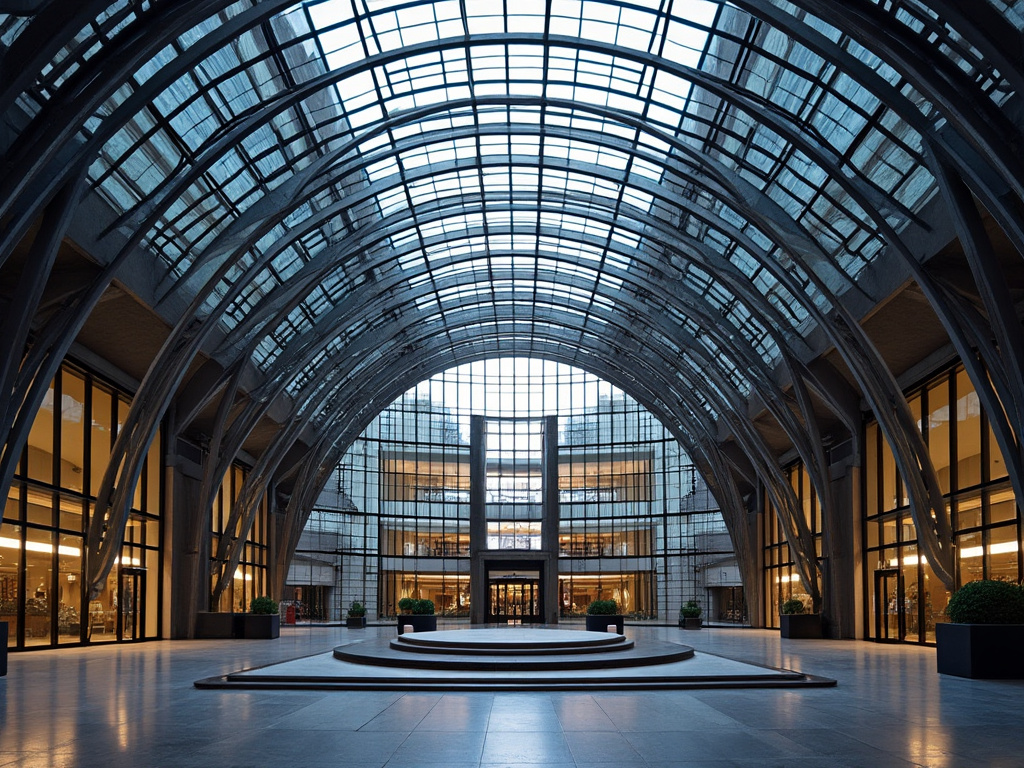

On a larger scale, the city’s ambitious vision for the Discovery Partners Institute and the accompanying riverfront redevelopment aims to combine green space with academic and tech-oriented hubs. The goal? To create an environment where innovation and leisure coexist, offering residents a slice of nature amidst a bustling urban environment.
A Sustainable Future
Sustainability has become a driving force in Chicago’s architectural evolution. As climate change continues to dominate global conversations, architects in the Windy City are leading the charge in creating buildings that prioritize environmental health.
The recently completed Eleanor Boathouse at Clark Park exemplifies this shift. Designed by Studio Gang, the boathouse not only serves as a recreational facility for kayaking and rowing enthusiasts but also plays an active role in improving the health of the Chicago River. Its design includes features like solar panels and rainwater harvesting systems, making it both functional and environmentally conscious.
Across the city, developers are also embracing LEED certification as a standard rather than a luxury. Projects like the Salesforce Tower and Wolf Point East highlight how sustainable practices are becoming deeply integrated into commercial and residential construction. These buildings incorporate everything from energy-efficient HVAC systems to green roofs that improve insulation and reduce heat island effects.
But sustainability isn’t limited to new builds. Adaptive reuse projects are gaining traction as architects and developers find innovative ways to repurpose Chicago’s historic structures. The Old Post Office, once a hulking symbol of urban decay, has been transformed into a vibrant mixed-use space complete with a rooftop park and state-of-the-art amenities. This blend of preservation and modernization underscores Chicago’s ability to honor its past while embracing the future.
Community-Centered Design
Perhaps the most striking aspect of Chicago’s architectural renaissance is its renewed focus on the people who live, work, and play within these spaces. No longer are buildings designed solely to impress from the outside; today’s architects are deeply concerned with creating environments that enhance daily life.
Take, for example, the neighborhood-focused developments in Bronzeville, a historic area on the South Side. Projects like the 4400 Grove apartment complex aim to provide affordable housing without sacrificing design quality. By incorporating community spaces and environmentally friendly features, these developments are designed to uplift the neighborhoods they serve.
Similarly, the INVEST South/West initiative, launched by Mayor Lori Lightfoot in 2019, is directing millions of dollars toward revitalizing commercial corridors in underserved areas. By partnering with local architects and planners, the program seeks to create spaces that reflect the character and needs of their communities, rather than imposing generic designs.
Challenges and Opportunities Ahead
Despite these successes, Chicago’s architectural renaissance is not without its challenges. Rising construction costs, political hurdles, and the ongoing effects of the COVID-19 pandemic have made it difficult to bring some projects to fruition. Moreover, as the city continues to grow, questions about gentrification and displacement loom large.
However, Chicago’s resilience and creativity suggest that it is well-equipped to navigate these obstacles. By fostering collaboration between city officials, architects, and community members, the Windy City can ensure that its future developments are both innovative and inclusive.
As Chicago continues to redefine urban design, it serves as a blueprint for other cities grappling with the complexities of modern development. With its mix of cutting-edge architecture, sustainable practices, and community-centered planning, this city isn’t just building for today—it’s creating a legacy for generations to come.
Chicago’s architectural renaissance is a reminder of why the city has long been a beacon of design excellence. And as it embraces new challenges and opportunities, one thing is certain: the Windy City’s best days are still ahead.