Arguments suggest Donald Trump’s actions present a significant Trump Legal Challenge, potentially eroding fundamental U.S. legal principles and posing a US democracy risk. The core of the rule of law involves predictable consequences for actions. This predictability applies to ordinary citizens and government officials alike. Some analyses claim the Trump administration disregards laws passed by Congress, reportedly treating laws mandating spending as optional. The Justice Department allegedly no longer routinely complies with lower court orders. This approach appears to dissolve pillars of statutory law, questioning the principle that officials are bound by rules. This narrative suggests a rejection of core American values and poses a direct threat to democratic governance, with free and fair elections also questioned, making this a central Trump Legal Challenge.
Executive Powers and Tariff Controversies: A Trump Legal Challenge
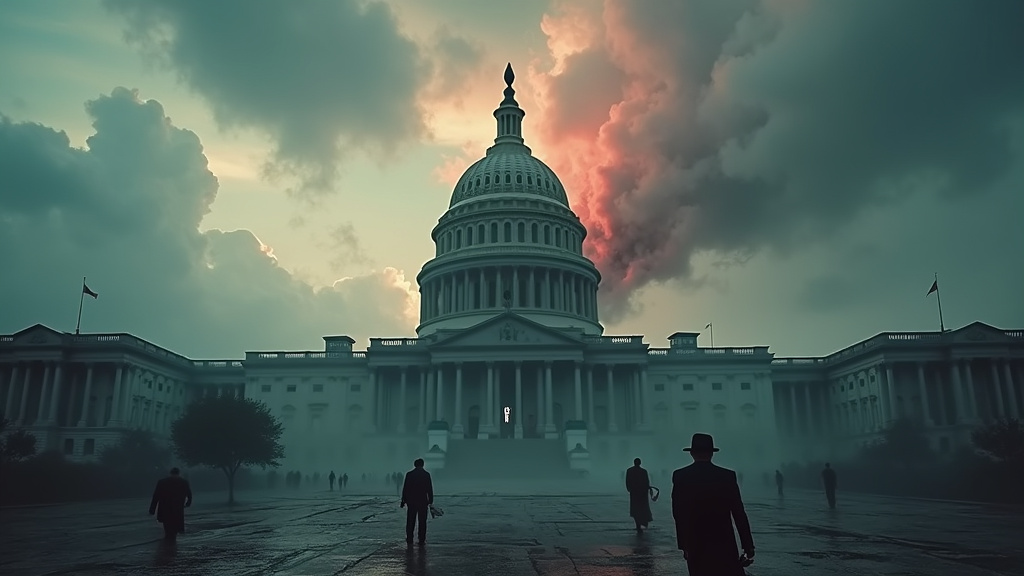
President Trump has invoked extraordinary powers, using the International Emergency Economic Powers Act (IEEPA) to impose sweeping tariffs on goods from nearly all countries. Critics argue this constitutes an executive power abuse, contending IEEPA is for true national crises, not long-standing trade imbalances. The law does not explicitly mention tariffs, and several lawsuits challenge these tariff actions. The Supreme Court’s review of these cases questions the definition of an “emergency.” If trade deficits are deemed emergencies, other statutes could be similarly used, greatly expanding presidential power. The administration’s arguments are based on national security and reversing chronic trade deficits. Challengers argue this rewrites tax codes and usurps Congress’s explicit power to regulate commerce, straining constitutional checks and balances and highlighting a key aspect of the Trump Legal Challenge. These Trump legal actions are a key focus.
Federal Power Deployed in Cities Amidst Trump Legal Actions
Federal power has been notably deployed in cities, including actions in Chicago where federal agents patrolled downtown streets and National Guard troops were called up for deployment. These moves faced strong opposition from local leaders and prompted lawsuits. The administration argued these actions were necessary to protect federal personnel and property and to enforce immigration laws. However, critics called this an executive power abuse, stating it bypassed important checks. The principle of local policing acts as a barrier, checking executive overreach. The federal government cannot legally commandeer local police, and this system of decentralized policing is a federalist check. Deploying military for domestic law enforcement is controversial and undermines democratic safeguards, contributing to the ongoing Trump Legal Challenge.
Attacks on Legal Institutions: The Scope of the Trump Legal Challenge
Trump has also targeted legal institutions directly, reportedly engaging in unprecedented targeting of law firms that represented clients adverse to him. He threatened lawyers with sanctions and barred some from federal buildings. These actions aim to disempower opponents and prevent challenges in court, creating a chilling effect on legal representation. Trump has criticized judges ruling against him, called them names, and encouraged impeachment calls. This behavior challenges judicial independence and politicizes the justice system. Some analyses suggest a weaponization of justice, including firing Department of Justice members. Such actions erode public trust and weaken the judiciary’s role, representing a direct assault on the rule of law erosion and a significant component of the Trump Legal Challenge.
Threats to Democratic Foundations in the Context of Trump Legal Actions
Concerns about democracy are widespread. Trump’s rhetoric has been called inflammatory, and he has been accused of exploiting grievance and promising retribution. This poses a threat to democratic norms, creating a significant US democracy risk. Actions like attempting to overturn election results are serious and directly challenge election integrity. The peaceful transition of power is another norm that has faced significant challenges. The independence of institutions, including election systems and courts, is vital as they provide essential checks on power. The administration’s actions are seen by some as authoritarian and contributing to democratic backsliding. Free speech and civil society also face impacts. The role of the Supreme Court is under scrutiny; some argue conservative justices have abandoned legal principles, especially in cases involving Trump. Critics suggest the court bends law to conservative ends, undermining the idea of equal justice and adding another layer to the broader Trump Legal Challenge.
Conclusion: An Ongoing Trump Legal Challenge to U.S. Governance
The current landscape shows significant challenges, testing the rule of law and democratic foundations. These arguments highlight a pattern of executive overreach and a disregard for established legal norms, central to the Trump Legal Challenge. The use of presidential emergency powers for tariffs draws concern, and federal actions in cities like Chicago face legal challenges. Attacks on judges and lawyers raise alarms. These developments are not just abstract legal matters; they impact the very nature of American governance, contributing to the US democracy risk. The news of these Trump legal actions prompts significant debate, and this editorial perspective suggests vigilance is paramount. The future of U.S. democracy may depend on these ongoing struggles. Upholding constitutional law and democratic principles remains critical in the face of the comprehensive Trump Legal Challenge.