A Chicago Police Department (CPD) officer has been suspended for the third time, drawing renewed national attention to the persistent challenges regarding police conduct and the protection of civil rights in downtown Chicago. The latest disciplinary action stems from an incident that critics argue reflects systemic issues within the department’s approach to interacting with Black Chicagoans. The officer, whose identity has been subject to intense public interest, is now under investigation by oversight bodies, reigniting debates about accountability, transparency, and the efficacy of reform efforts within one of the nation’s largest law enforcement agencies.
The Pattern of Misconduct

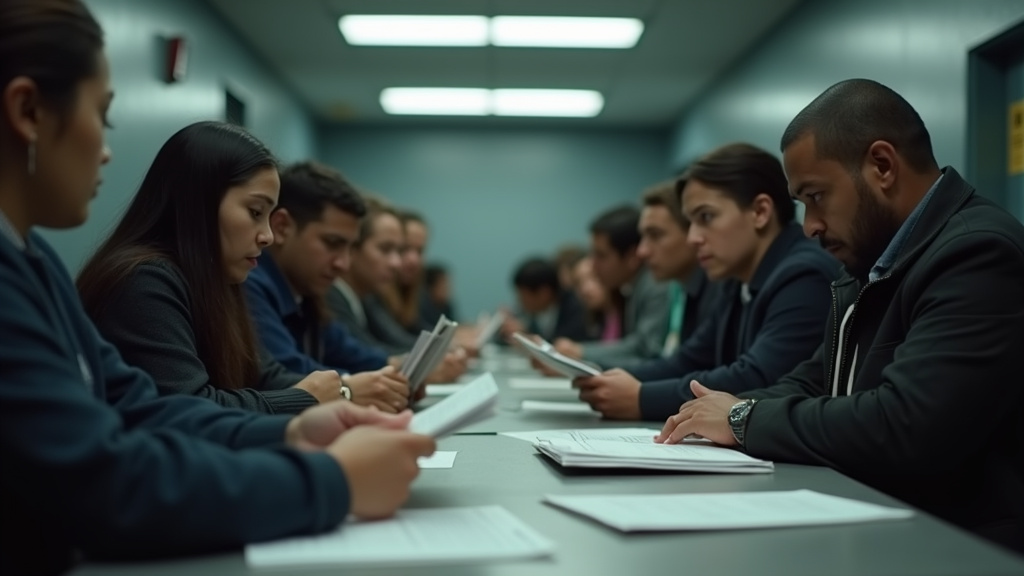
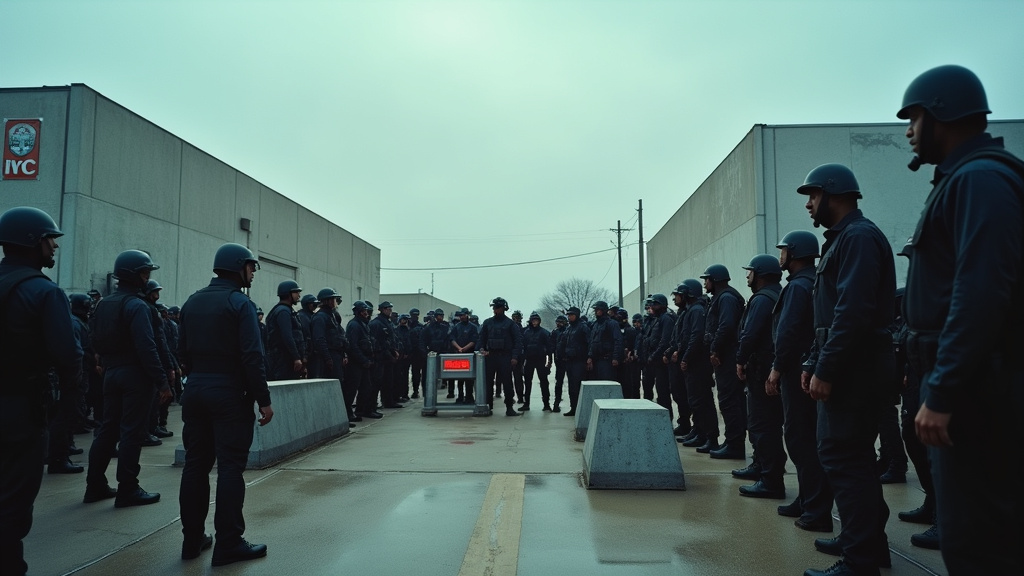

This suspension marks a critical inflection point for the department, as it follows a documented history of allegations against the same officer. Advocacy groups in Chicago have long highlighted the necessity for rigorous vetting and disciplinary processes that extend beyond temporary removals from duty. When a single officer faces repeated allegations—particularly those involving the targeting of specific communities—the conversation inevitably shifts from individual behavioral concerns to broader institutional failures. The specific nature of the recent downtown incident, which was captured on bystander video, has amplified calls for the Civilian Office of Police Accountability (COPA) to accelerate its review process.
Impact on Community Trust
For residents living and working in downtown Chicago, these incidents undermine the foundational relationship between law enforcement and the public. Trust is difficult to build and incredibly fragile; when instances of rights violations occur, it erodes the perception of police legitimacy. Leaders from local community organizations have indicated that this latest suspension is not enough, demanding a deeper structural audit of how officers are assigned and managed in high-traffic, diverse areas. The focus remains on ensuring that policing tactics align with federal consent decrees and fundamental constitutional protections.
Institutional Accountability Challenges
Behind the scenes, the Chicago Police Department is navigating a complex landscape of labor agreements and oversight mandates. Critics argue that the arbitration process often allows officers with records of misconduct to remain on the force, a sentiment echoed by various civil rights attorneys reviewing the case. As city officials prepare to address the fallout, the pressure is mounting to demonstrate that accountability is not merely performative. The path forward likely requires a combination of enhanced training, more stringent disciplinary consequences, and a complete reimagining of the protocols governing downtown interactions, ensuring they are equitable and respectful of the rights of all citizens regardless of their background or location.
FAQ: People Also Ask
1. Q: What is the current status of the officer involved in the Chicago incident?
A: The officer has been placed on suspension while the Civilian Office of Police Accountability (COPA) conducts a formal investigation into the allegations.
2. Q: Have there been previous complaints against this officer?
A: Yes, this is the officer’s third suspension related to allegations of violating civil rights, a record that has drawn significant criticism from advocacy groups.
3. Q: How does the CPD handle investigations into officer misconduct?
A: Complaints are investigated by the Civilian Office of Police Accountability (COPA), an independent agency responsible for investigating allegations of police misconduct, ensuring an arm’s-length review separate from internal police department hierarchies.