CHICAGO – As the city recovers from a major winter storm that brought record snowfall over the Thanksgiving weekend, Chicagoans now face the implementation of the Chicago Winter Ban. This crucial policy, aimed at facilitating efficient snow removal, began on Monday, December 1, 2025, marking a new phase in the city’s approach to midwest winter weather. This significant news is trending across local channels and impacting winter travel chicago.
Record Snowfall Blankets Chicago
Chicago experienced historic snowfall. O’Hare International Airport recorded 8.4 inches of snow on Saturday, November 29, 2025, breaking the November daily snowfall record previously set at 8.0 inches in 1951. The entire Chicago metro area received between 7 and 10 inches from this powerful storm, which caused hazardous conditions and heavy snow across much of the Midwest, contributing to the widespread travel chaos.
Travel Grinds to a Halt, Then Recovers Amidst Chicago Winter Ban Preparations
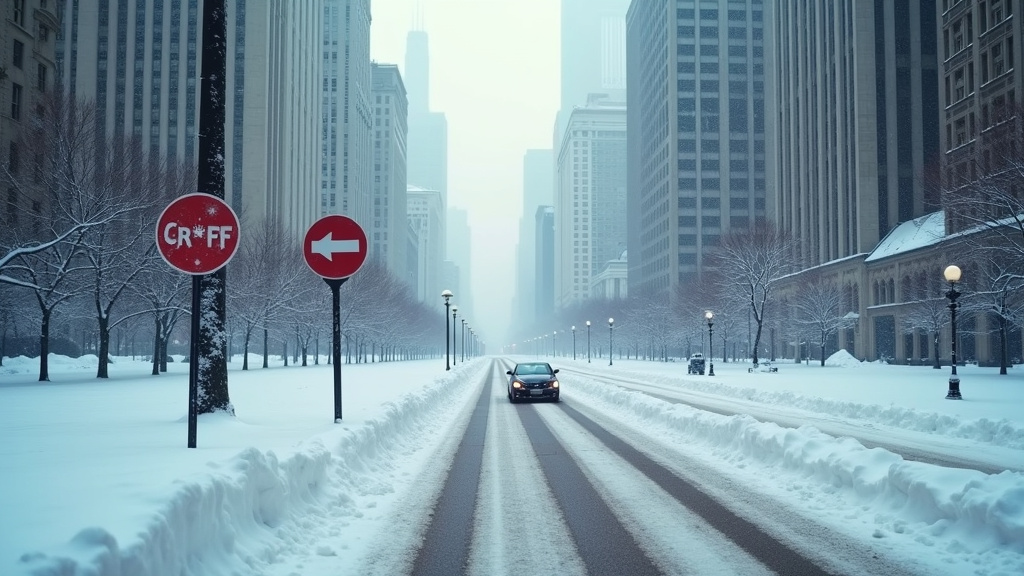
The recent chicago snow storm caused widespread travel chaos. Hundreds of flights were canceled at O’Hare and Midway airports, with over 1,400 cancellations by Saturday night. United and American Airlines issued travel waivers. Ground travel was also significantly challenged, including a major crash that closed I-70 in Indiana for hours. Officials strongly urged drivers to stay off the roads due to hazardous conditions. While travel began to ease on Sunday, November 30, lingering issues persisted as the city prepared for the enforcement of the Chicago Winter Ban.
Understanding the Chicago Winter Ban: Key Details
Chicago’s winter overnight parking ban, a vital component of the Chicago Winter Ban, commenced on Monday, December 1, and will remain in effect until April 1, 2026. This ban is enforced on 107 miles of main city streets, prohibiting parking daily from 3 a.m. to 7 a.m. It is crucial to understand that the Chicago Winter Ban is enforced regardless of snow accumulation. Its primary purpose is to ensure snow plows can clear essential routes efficiently and to allow emergency vehicles and public transit to navigate freely. Violators of the Chicago Winter Ban will face severe consequences, including vehicle towing and a minimum $150 towing fee, in addition to a $60 ticket and daily storage charges.
Beyond the primary Chicago Winter Ban, a separate “two-inch” snow ban is in effect, covering an additional 500 miles of streets. This secondary ban is activated when two or more inches of snow are forecast, further supporting snow removal chicago efforts.
City’s Preparedness and Advice Regarding the Chicago Winter Ban
City officials are emphasizing the critical importance of the Chicago Winter Ban. “The City’s Winter Overnight Parking Ban helps ensure public safety,” stated DSS Commissioner Cole Stallard. This policy is instrumental in allowing for more effective snow removal chicago operations. Residents and visitors are urged to pay close attention to posted signs, as the designated routes are essential for city services. All affected streets are clearly marked with permanent signs. Flyers are also distributed as a reminder to drivers. For detailed information on affected streets and real-time snow plow tracking, residents can visit chicagoshovels.org. To inquire about towed vehicles, individuals can call 311.
The city is fully prepared for continued winter weather. Staying informed about the Chicago Winter Ban is essential for all Chicago commuters, especially considering potential holiday travel disruptions. Adhering to these regulations helps avoid costly penalties and significantly aids the city’s snow clearing efforts, making daily commutes smoother for everyone.
Looking Ahead: Navigating Winter with the Chicago Winter Ban
Following the significant snow event, Chicago has firmly transitioned into winter preparedness mode, with the overnight parking ban serving as a cornerstone of its strategy. The Chicago Winter Ban is a key element in ensuring essential services can operate without hindrance during winter storms. Travelers are strongly advised to check weather and transit conditions regularly and to be fully aware of all applicable parking regulations chicago to avoid issues related to the Chicago Winter Ban. This marks a clear and decisive shift into winter season operations for the popular city.