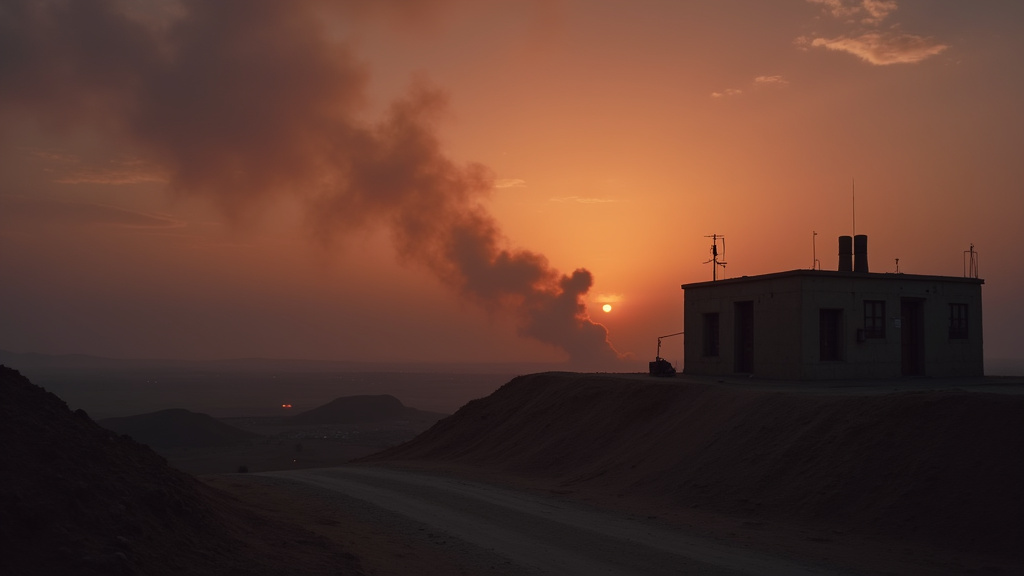
Super Typhoon Fung-wong, known locally as Uwan, has ravaged the northern Philippines, unleashing catastrophic winds, torrential rain, and deadly storm surges across Luzon Island. This powerful storm, officially classified as a super typhoon, made landfall on Sunday night, November 9, 2025, leaving a trail of destruction, cutting off several towns, and forcing the Philippine typhoon evacuation of over 1.4 million people. The devastating impact of Super Typhoon Fung-wong underscores the vulnerability of coastal regions to such extreme weather events.
Super Typhoon Fung-wong Landfall and Intensity
Fung-wong made its devastating landfall in Dinalungan town, Aurora province, on the eastern seaboard of Luzon Island around 9:10 p.m. local time on Sunday. At the time of landfall, the typhoon was classified as a super typhoon, boasting maximum sustained winds of up to 185 km/h (115 mph) and gusts reaching as high as 230 km/h (143 mph). The storm’s immense size was notable, with the circulation of Super Typhoon Fung-wong spanning nearly the entire archipelago and reaching a diameter of approximately 1,800 kilometers at its peak intensity.
Widespread Devastation and Flood Devastation Philippines

The typhoon’s impact has been severe, submerging entire villages and leaving scores of towns without electricity across Luzon. Heavy rainfall triggered widespread flash floods, notably causing the Chico River in Apayao province to burst its banks. This led to significant flood devastation Philippines in Tuguegarao city, where residents were rescued from rooftops as the city became submerged. Luzon storm damage to houses was reported in multiple provinces, including Santiago city in Isabela, with many main roads becoming impassable due to landslides. Coastal areas also experienced life-threatening storm surges, with waves inundating streets and homes.
Mass Evacuations and Displacement due to Typhoon Fung-wong
In anticipation of Fung-wong’s destructive path, authorities executed extensive pre-emptive Philippine typhoon evacuation measures. More than 1.4 million people were moved from high-risk areas across the country to safer grounds. Reports indicate that nearly 100 homes were completely destroyed, and around 1,000 homes sustained damage, with hundreds of villages experiencing flooding following the Super Typhoon Fung-wong landfall.
Confirmed Typhoon Fung-wong Casualties and Injuries
As of Monday morning, November 10, 2025, initial reports confirmed at least two fatalities. One individual drowned in Catanduanes, while another died when her house collapsed in Eastern Samar. Two other injuries were also reported. Later reports indicated a higher Typhoon Fung-wong casualties count, with at least four people confirmed dead, including two children who perished in a mudslide in Nueva Vizcaya. Officials from the Office of Civil Defense noted that casualty figures were subject to further validation following the Super Typhoon Fung-wong event.
Context: Following Typhoon Kalmaegi and Uwan
Typhoon Fung-wong’s arrival comes mere days after Typhoon Kalmaegi battered the central Philippines, causing widespread destruction, claiming at least 224 lives, and affecting over 3 million people. The cumulative impact of these two powerful storms has placed the Philippines under a national state of calamity. This declaration, signed by President Ferdinand Marcos Jr., aims to expedite rescue, relief, and recovery operations by allowing for the mobilization of emergency funds and the implementation of measures to ensure the supply of essential goods following the Typhoon Uwan Philippines impact.
Ongoing Rescue and Typhoon Relief Efforts
Emergency teams and various organizations are currently engaged in crucial rescue and Typhoon relief efforts, focusing on reaching stranded individuals and assessing the extent of damage to infrastructure and homes. Over 894 search, rescue, and retrieval teams have been deployed, with thousands more teams on standby to assist in the massive undertaking following the Super Typhoon Fung-wong. The World Food Programme (WFP) is also providing vital support through cash assistance and food packs to affected households, complementing the government’s response.
Economic Impact and Future Outlook related to Super Typhoon Fung-wong
The storm has inflicted significant economic damage, disrupting commerce, transportation networks, and the energy sector. Widespread power outages have affected hundreds of thousands of households and businesses, while hundreds of flights were cancelled, and several airports were temporarily shut down due to the severe weather. After traversing Luzon, Fung-wong was forecast to move towards Taiwan, potentially bringing torrential rains and strong winds to the island. Experts continue to highlight that the climate crisis is a driving factor behind the increasing intensity and frequency of extreme weather events like Super Typhoon Fung-wong, with the Philippines experiencing a notable rise in super typhoon intensity in recent decades.
As the nation grapples with the immediate aftermath of Super Typhoon Fung-wong, the focus shifts to the immense task of recovery and rebuilding in the affected communities impacted by this super typhoon intensity.