
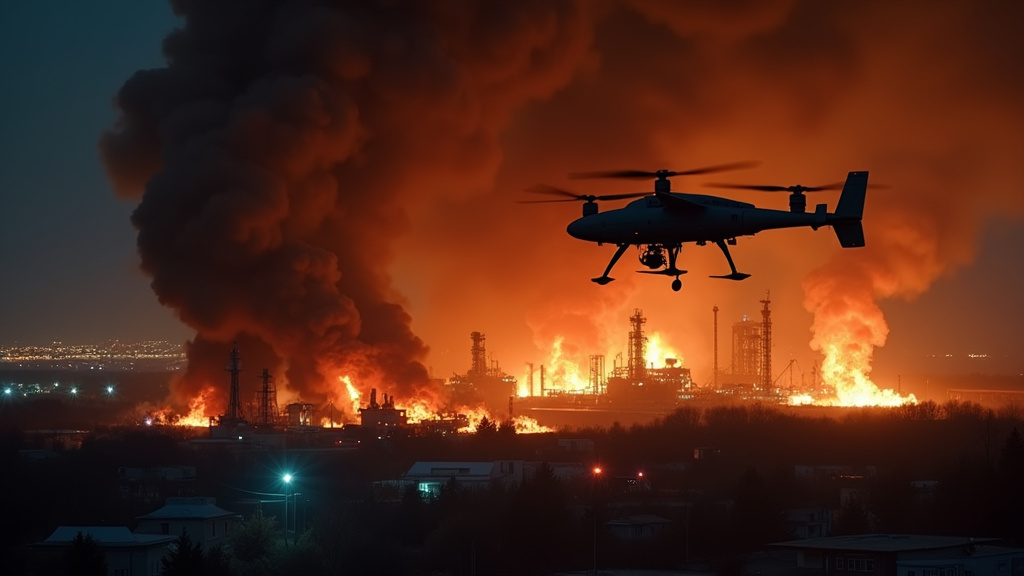

The security landscape across the Middle East has shifted dramatically following the reported death of a high-ranking intelligence officer from Iran’s Islamic Revolutionary Guard Corps (IRGC). The incident has exacerbated the already fragile state of relations between Tehran and Tel Aviv, sparking fears of a broader, direct regional conflict. As both nations trade threats, the international community is closely monitoring the situation, bracing for potential retaliatory actions that could destabilize global energy markets and security alliances.
The Strategic Shift in IRGC Leadership
The loss of such a senior figure within the IRGC intelligence apparatus is being viewed by geopolitical analysts as a significant blow to Iran’s operational capabilities. Intelligence officials suggest that the individual played a critical role in orchestrating regional proxy activities and maintaining the network of influence Iran projects through its various alliances. The vacuum created by this death is expected to trigger a period of intense restructuring and potential internal security purges within Tehran’s military establishment as they scramble to identify potential intelligence breaches.
Israel’s ‘Hunt Down’ Doctrine
Following the event, the rhetoric emanating from Israel has hardened significantly. Officials have indicated that the state is prepared to target key Iranian operatives globally, characterizing the move as a long-overdue necessity to neutralize threats at their source. This “one by one” doctrine signals a shift from defensive posturing to a more proactive, aggressive intelligence-led campaign. Analysts argue this strategy is intended to deter further direct provocations from Tehran, though it inherently carries the risk of triggering the very escalation Israel aims to prevent. The Israeli security cabinet remains in high-alert status, reviewing potential defensive measures against a likely Iranian response, which experts believe could manifest through cyber warfare, maritime sabotage, or intensified proxy attacks.
Global Diplomatic Implications
The international reaction has been characterized by deep concern, with various global powers calling for immediate de-escalation. However, the diplomatic channels that previously existed to mediate such crises appear strained. Washington has emphasized the need for stability, while European powers are struggling to find a path for engagement that avoids further confrontation. The global community is now tasked with navigating a reality where the threshold for direct conflict has lowered, and the risks of miscalculation are at an all-time high. As both nations continue to mobilize, the focus shifts to whether diplomatic intervention or military deterrence will prevail in the coming weeks.