CHICAGO – A federal judge has delivered a significant setback to the Trump administration’s aggressive immigration enforcement tactics, ordering the release of hundreds of undocumented immigrants detained under “Operation Midway Blitz” in the Chicago area, following what some are calling extensive Chicago Immigration Raids. U.S. District Judge Jeffrey Cummings ruled that many of these individuals were arrested without warrants or probable cause, directly violating a 2022 consent decree. This decision is a major development in the ongoing immigration news and is being hailed by immigrant advocates as a victory for due process and a key aspect of recent Chicago immigration news.
Judge Orders Release Following Extensive Chicago Immigration Raids
In a decisive move, Judge Cummings ordered that approximately 615 immigrants, who were taken into custody during the recent sweeps, must be released on a $1,500 bond. The order also stipulates that these individuals may be subject to monitoring, such as electronic ankle bracelets, while their cases proceed. Furthermore, the ruling explicitly prohibits federal agents from pressuring detainees into agreeing to voluntary deportation while their legal proceedings are ongoing. This marks a crucial step for those seeking asylum or other forms of legal status, especially in light of these widespread Chicago Immigration Raids.
In addition to the broader release order, 13 individuals were granted immediate release without conditions, as the Department of Homeland Security (DHS) conceded their arrests likely violated the established consent decree. The court has set a deadline of November 21 for the remaining eligible detainees to be granted bond, with a list of those in custody due by November 19. The impact of these Chicago immigration raids is profound.
Operation Midway Blitz Faces Legal Scrutiny After Chicago Immigration Raids


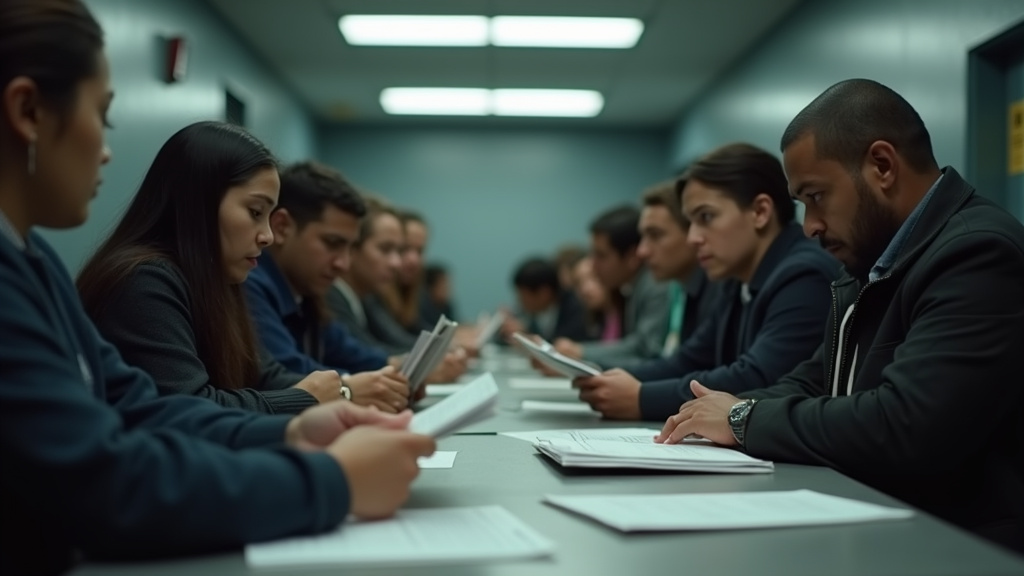
“Operation Midway Blitz,” launched in September, was characterized by aggressive immigration raids across the Chicago metropolitan area. The Trump administration portrayed the operation as targeting “the worst of the worst” criminal aliens, aiming to enhance public safety. However, the operation has been widely criticized for its immigration enforcement tactics, with reports of federal agents using excessive force, including tear gas and pepper spray, during arrests and protests. A particularly contentious incident involved the widely publicized arrest of a daycare worker,Diana Galeano, who was forcefully removed from her workplace in front of children, sparking public outrage over the Chicago Immigration Raids.
The DHS has defended the operation, with spokesperson Tricia McLaughlin condemning the judge’s decision, labeling Cummings an “activist judge” whose order “endangered the public.” The department has linked the enforcement actions to Illinois’s sanctuary city policies, suggesting they contribute to a perception that the state shields undocumented immigrants.
A Consent Decree Violation in the Wake of Chicago Immigration Raids
The legal challenge against “Operation Midway Blitz” was spearheaded by the National Immigrant Justice Center (NIJC) and the American Civil Liberties Union (ACLU) of Illinois. They argued that the mass arrests, often conducted without warrants, violated the 2022 Castañon Nava consent decree. This agreement, established from a class-action lawsuit, governs immigration arrests in Illinois and five neighboring states, mandating specific conditions for warrantless arrests, including the requirement of individualized probable cause. These were not isolated incidents, but part of broader Chicago Immigration Raids.
Attorneys for the NIJC and ACLU contended that federal agents disregarded these requirements, leading to potentially thousands of unlawful arrests. The judge’s ruling supports these claims, finding that many of the detentions were indeed unconstitutional. The judge orders release of many individuals caught in the sweeps during these immigration raids Chicago.
Wider Implications of Chicago Immigration Raids and Trending News
This ruling is seen as a significant legal defeat for the Trump administration immigration agenda, which has frequently encountered judicial challenges. Legal analysts suggest that this decision could have ripple effects nationwide, providing a stronger legal basis for undocumented immigrants detained under similar circumstances to argue for their release and challenge the legality of their arrests. The focus on the legality of administrative warrants and individualized probable cause could influence future enforcement actions across the country, potentially halting further immigration raids.
In Chicago, the news of the judge’s order is a trending topic, reflecting the city’s ongoing debate and challenges surrounding immigration policies. The ruling highlights the tension between federal enforcement efforts and local sanctuary policies, a recurring theme in the city’s news cycle. Advocates emphasize that this decision underscores the importance of due process immigrant rights and the need for federal agencies to adhere to established legal frameworks, especially concerning Chicago Immigration Raids.
The decision comes amid a broader pattern of legal battles over the Trump administration’s immigration policies, including efforts to deploy National Guard troops and challenges to other enforcement directives. While the DHS has criticized the ruling, immigrant rights groups are celebrating it as a crucial step toward ensuring fair treatment and preventing the erosion of legal protections for all residents. The ruling is a clear indication of a consent decree violation.