CHICAGO, IL – In a scathing rebuke of federal immigration enforcement tactics, U.S. District Court Judge Sara Ellis has imposed sweeping Federal Judge Restrictions on how federal agents can use force against protesters, media, and clergy in Chicago. The ruling, delivered as a preliminary injunction, follows a period of heightened tensions and numerous complaints of excessive force during the Trump administration’s “Operation Midway Blitz,” showcasing the critical nature of these Federal Judge Restrictions. This federal judge ruling marks a significant moment in the ongoing debate about Border Patrol misconduct and the need for robust civil liberties protection.
Judge Ellis declared that the actions of federal agents had “shocked the conscience” and found the government’s defense of its conduct to be “simply not credible”. The judge’s decision stems from a lawsuit filed by a coalition of news organizations, along with protesters and clergy members who alleged a pattern of brutality and violations of constitutional rights, underscoring the need for robust civil liberties protection. The imposition of Federal Judge Restrictions is a direct response to these allegations.
Federal Judge Restrictions: Rebuke of Credibility and Conduct
A central figure in the ruling was Border Patrol Commander-at-Large Gregory Bovino. Judge Ellis specifically called out Bovino for “lying” under oath regarding an incident in Chicago’s Little Village neighborhood where federal agents deployed tear gas against protesters. Bovino had initially claimed he deployed the chemical agent after being struck by a rock. However, during a lengthy deposition, he admitted to fabricating this detail. Video evidence presented in court directly contradicted Bovino’s initial claims, showing him throwing a tear gas canister into a crowd without apparent provocation. This incident highlights a failure in use of force mandates that the new Federal Judge Restrictions aim to rectify.
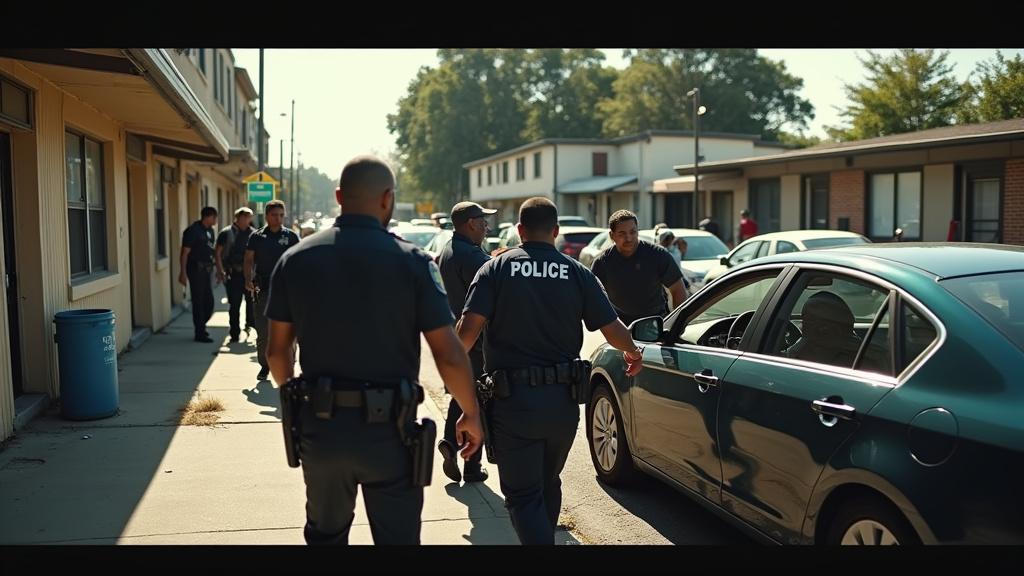
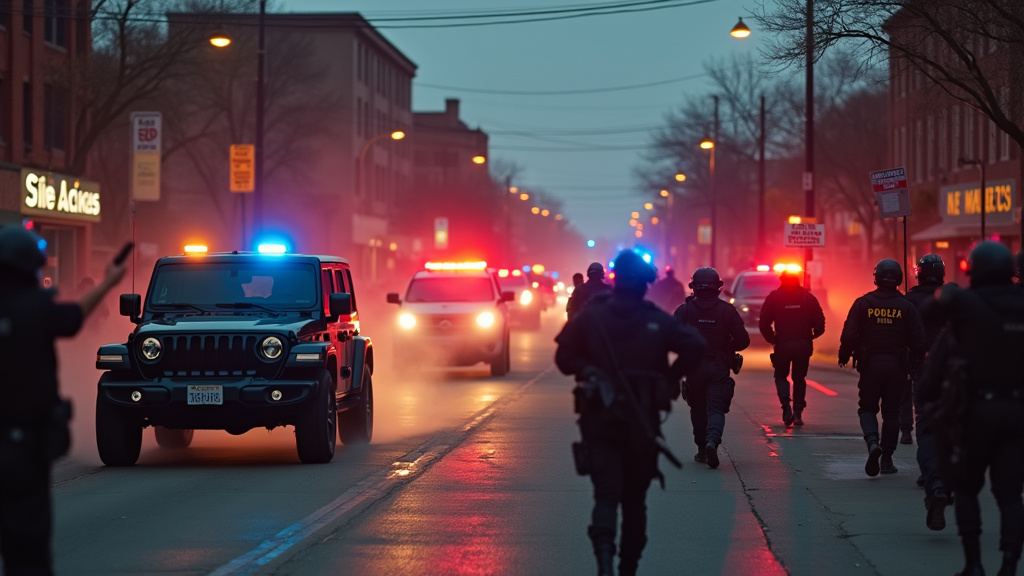


Beyond Bovino’s admission, the court heard extensive testimony detailing other troubling encounters with the immigration agent force. Witnesses recounted experiences of having guns pointed at them, being shot with pepper balls while praying, and being tackled by agents. Some federal agents were even recorded mocking demonstrators as they deployed chemical agents, with one agent heard saying “have fun!” followed by “throw another one”. These accounts underscore the need for the stringent Federal Judge Restrictions now in place.
Judge Ellis rejected the government’s characterization of Chicago as a city overrun by rioters, opening her remarks by reciting Carl Sandburg’s poem “Chicago” to emphasize the city’s resilience and vitality. She stated it was “simply untrue” that the Chicago area was a place of pervasive violence, directly contradicting the narrative used by federal officials to justify their aggressive enforcement operations and highlighting the importance of these Federal Judge Restrictions. The federal judge ruling on these matters is clear.
“Operation Midway Blitz” Under Scrutiny and Federal Judge Restrictions
The “Operation Midway Blitz,” launched in September, brought a significant federal presence of Immigration and Customs Enforcement (ICE) and Border Patrol agents to Chicago, a tactic rarely seen away from international borders. This operation, aimed at increasing immigration arrests, quickly became a flashpoint, drawing criticism and sparking frequent Chicago protests. The conduct during this operation led directly to the imposition of these Federal Judge Restrictions.
Prior to this sweeping preliminary injunction, Judge Ellis had issued a temporary restraining order (TRO) that banned agents from using tear gas and other riot control weapons against peaceful demonstrators and journalists, and required them to issue warnings before deploying such tactics. However, evidence presented indicated that these orders were repeatedly violated, prompting the need for more stringent and lasting Federal Judge Restrictions. The federal judge ruling amplified these concerns.
New, Strict Use-of-Force Mandates and Federal Judge Restrictions
The preliminary injunction lays out clear, non-negotiable rules for federal agents operating in Chicago, including significant use of force restrictions. Key provisions include mandates that solidify the Federal Judge Restrictions:
* Necessity of Force: Force may only be used when “objectively necessary to stop an immediate threat of serious bodily injury or death to another person”.
* Mandatory Warnings: Agents must issue two separate, audible warnings before deploying crowd-control measures like tear gas or pepper spray.
* Identification and Body Cameras: All federal agents involved must wear “conspicuous identification” and activate body-worn cameras during enforcement actions.
* Protection for Media and Clergy: The injunction explicitly prohibits agents from using force against journalists and clergy members, and restricts actions that could impede lawful demonstrations or religious practices, a crucial element of protester rights and civil liberties protection.
* Dispersal and Arrest Protocols: Agents cannot disperse crowds unless justified by exigent circumstances, and cannot arrest individuals for disobeying a dispersal order unless they have committed a separate crime.
Implications and Future Actions Regarding Federal Judge Restrictions
The ruling is a significant victory for civil liberties advocates and a major setback for the administration’s approach to immigration enforcement in urban centers. The Department of Homeland Security (DHS) has denounced the injunction, with a spokesperson calling it an “extreme act by an activist judge that risks the lives and livelihoods of law enforcement officers” and vowing an appeal. The federal judge ruling on these critical Federal Judge Restrictions will likely set precedents for future cases involving the immigration agent force and their use of force mandates.
This headline news serves as a crucial check on federal power, underscoring the vital role of the judiciary in protecting fundamental rights amidst the ongoing debate over immigration enforcement and the potential for Border Patrol misconduct. The legal battle over the use of force by the immigration agent force in CHICAGO is far from over, with an appeal by the administration now expected. The comprehensive Federal Judge Restrictions aim to prevent future incidents and ensure accountability for federal agents operating in the city. It is a development that has gone viral in its impact, highlighting the intense scrutiny federal actions are facing across the nation, with Chicago at the epicenter of this top legal and civil rights conflict, demonstrating the necessity of clear Federal Judge Restrictions and the importance of protester rights. The federal judge ruling on these matters is pivotal.