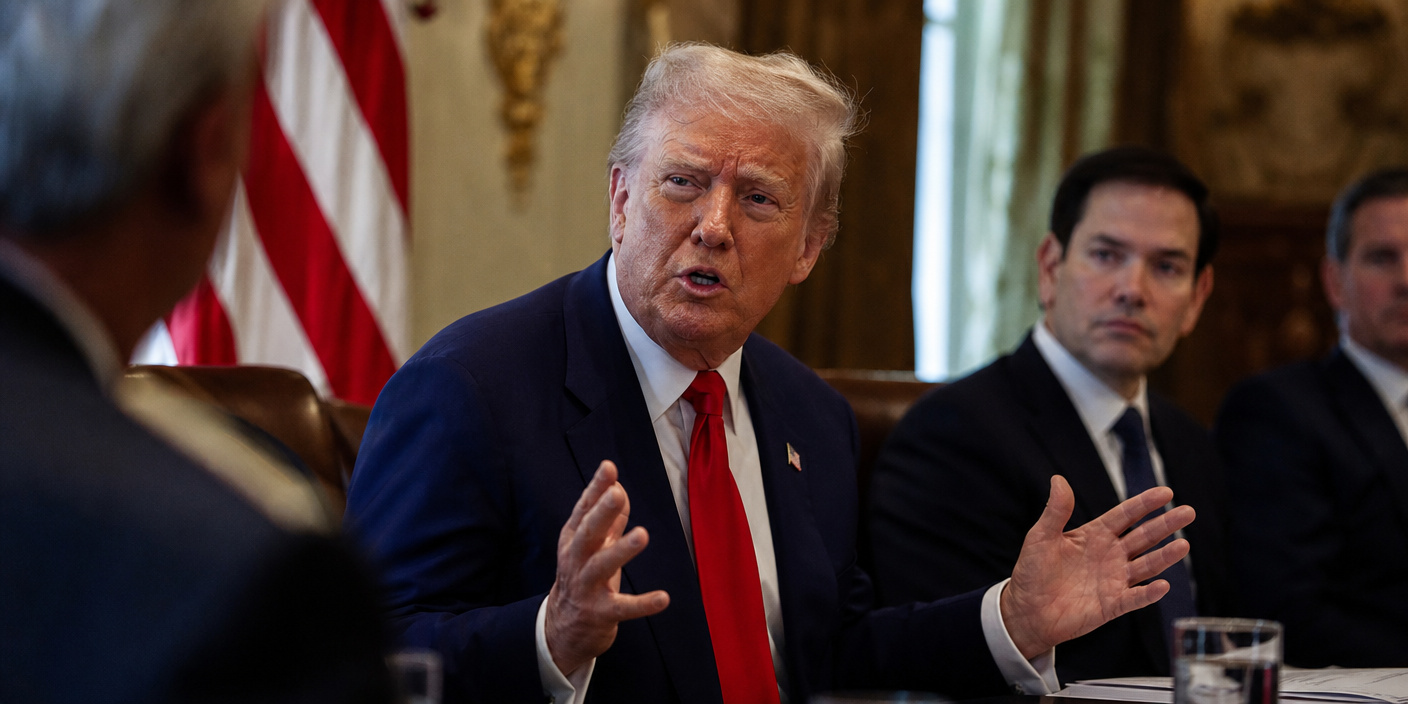
Addressing the significant challenge of Obesity Drug Costs, the Trump administration has finalized a landmark agreement with pharmaceutical giants Eli Lilly and Novo Nordisk. This deal, announced on November 6, 2025, is poised to dramatically lower obesity drug pricing and expand access to crucial glp-1 receptor agonists, making treatments like Zepbound and Wegovy more attainable for millions of Americans and impacting Obesity Drug Costs for many.
Landmark Pricing Reductions for Obesity Drug Costs
The cornerstone of this agreement, driven by the administration’s “most favored nation” (MFN) pricing policy, aims to bring down current high Obesity Drug Costs. These injectable GLP-1 drugs, which have previously cost $1,000 to $1,350 per month, and sometimes around $500 for higher doses for uninsured patients, will now be significantly more affordable. This negotiation directly addresses the burden of Obesity Drug Costs.
Under the new terms, eligible Medicare and Medicaid beneficiaries will see the monthly price for medications like Wegovy and Zepbound reduced to $245. For Medicare recipients, out-of-pocket copays for these weight loss medication costs will be capped at $50 per month. Additionally, starting doses of newly approved oral versions of these obesity drugs are anticipated to be available for $149 per month, offering a more accessible option for managing Obesity Drug Costs.
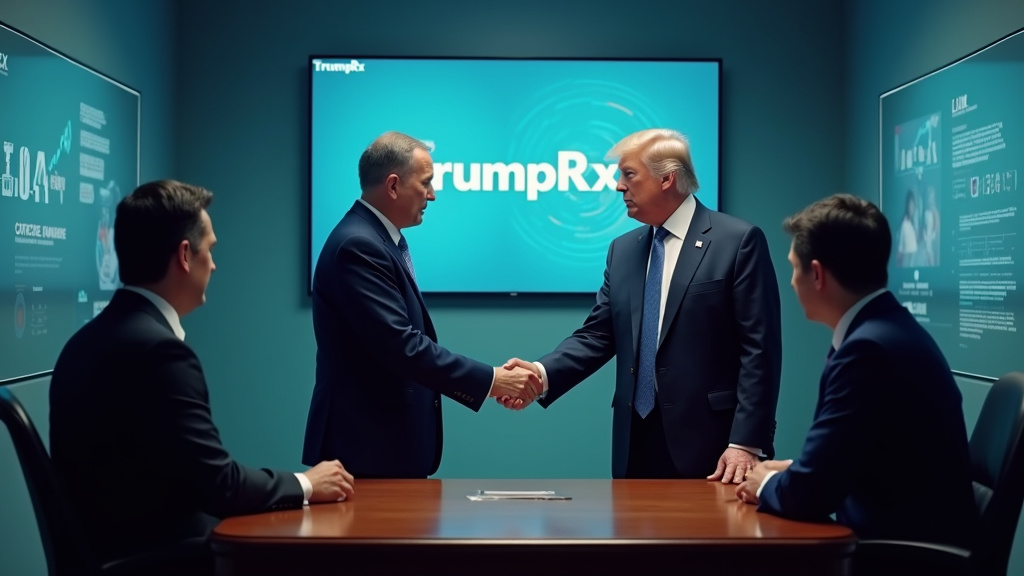
The administration also unveiled plans for a new government consumer platform, “TrumpRx,” scheduled to launch in January 2026. This platform will enable uninsured patients to purchase these injectable GLP-1 drugs for approximately $350 per month, with projections indicating a further reduction in Obesity Drug Costs to $245 over the following two years.
Expanding Access and Impacting Obesity Drug Costs
This initiative represents a pivotal moment, as Medicare, historically, has not covered obesity treatments specifically for weight loss, contributing to high out-of-pocket Obesity Drug Costs. The agreement ensures that Medicare will commence covering these drugs for eligible patients with obesity and related comorbidities starting in 2026. This expansion aims to tackle the substantial public health issue of obesity, which affects over 100 million American adults, and reduce the financial burden associated with Obesity Drug Costs.
State Medicaid programs will also gain access to these reduced prices if they choose to participate. Health and Human Services Secretary Robert F. Kennedy Jr. emphasized that obesity is a disease that disproportionately impacts those with fewer financial resources, and this deal is designed to close that access gap and mitigate excessive Obesity Drug Costs.
Background and Broader Context on Obesity Drug Costs
The prohibitive cost and inconsistent insurance coverage of GLP-1 receptor agonists have been major obstacles to patient access, despite their proven effectiveness in clinical trials for significant weight loss. This development is part of the Trump administration’s ongoing efforts to control soaring drug prices, following similar agreements with companies like Pfizer and AstraZeneca. The MFN policy seeks to align U.S. drug prices with those in other developed nations, aiming to prevent Americans from subsidizing lower prices abroad and thus reducing overall Obesity Drug Costs.
FDA Expedites Review for Future Obesity Treatments and Obesity Drug Costs
In tandem with the pricing agreement, the Food and Drug Administration (FDA) has granted “national priority” review vouchers to both Eli Lilly and Novo Nordisk. This move is intended to expedite the review and approval processes for new obesity treatments, including Eli Lilly’s experimental oral GLP-1 drug, orforglipron, and Novo Nordisk’s planned oral version of Wegovy. This is a trending development in the pharmaceutical industry, signaling a commitment to faster innovation in managing Obesity Drug Costs.
Company Commitments and Future Impact on Obesity Drug Costs
Beyond the direct price reductions for obesity drugs, the eli lilly novo nordisk deal includes commitments to additional measures. These include offering other medications, such as insulin and migraine treatments, at discounted prices through the TrumpRx platform, and guaranteeing MFN pricing for all future new medicines. Novo Nordisk has also pledged an additional $10 billion investment in U.S. manufacturing, with Eli Lilly expanding its domestic footprint, influencing the future landscape of Obesity Drug Costs.
The agreement also grants Eli Lilly and Novo Nordisk a three-year pause on tariffs. While the full financial ramifications for the companies are still under evaluation, Novo Nordisk anticipates a minor negative impact on its global sales growth in 2026. This news is current and developing, with potential far-reaching implications for the broader healthcare landscape and patient outcomes in managing obesity, particularly concerning Obesity Drug Costs and overall medicare drug coverage.