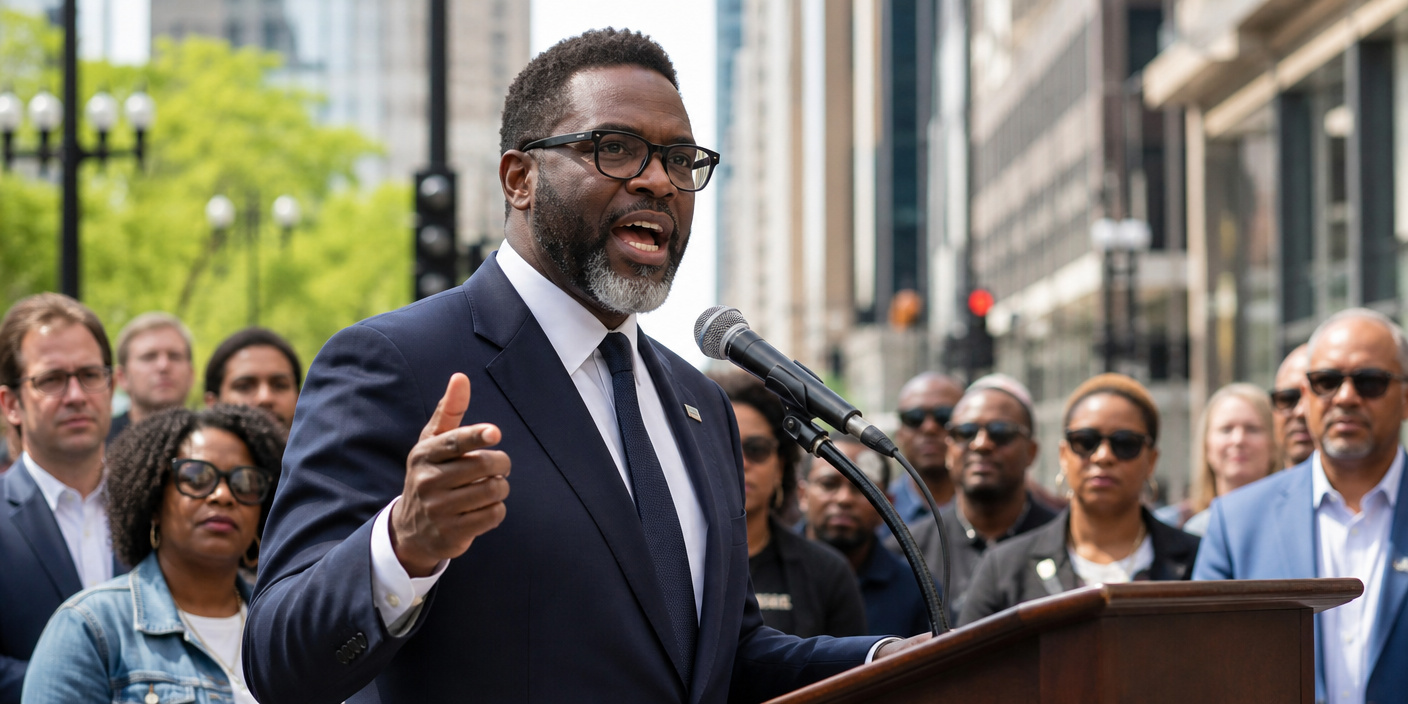
Mayor Brandon Johnson’s administration is facing scrutiny over the proposed Chicago Budget, with a recent editorial from Crain’s Chicago Business characterizing it as a plan that “taxes jobs and dodges hard choices.” This critique centers on the administration’s strategy of relying on new revenue streams, particularly those that impact businesses, while allegedly sidestepping the fundamental structural issues plaguing Chicago’s finances. The Chicago Budget is currently a subject of intense discussion as the city grapples with its fiscal future, and the current chicago budget debate highlights deep divisions.
Mounting Deficits and Proposed Chicago Budget Fixes

Chicago is confronting substantial fiscal challenges, with projections indicating a significant chicago deficit. For fiscal year 2025, the city faced a gap of approximately $982.4 million. Looking ahead to 2026, this gap is expected to widen to around $1.15 billion. In response, Mayor Johnson’s administration has put forth a budget strategy that leans heavily on new taxes and fees, alongside the significant use of Tax Increment Financing (TIF) surplus funds. One prominent proposal is the revival of a corporate “head tax,” a levy on employers with over 100 employees, projected to generate roughly $100 million annually. Other revenue-generating ideas include increased taxes on cloud computing and social media platforms, contributing to the overall Chicago tax policy goals within the Chicago Budget.
“Taxing Jobs” in the Chicago Budget Sparks Business Opposition
Business leaders and industry groups have voiced strong opposition to the proposed taxes, arguing they could stifle job growth and economic recovery. The Chicagoland Chamber of Commerce has warned that these measures could make Chicago a less attractive investment, fearing a potential exodus of businesses and a negative impact on hiring. This sentiment is amplified by the city’s ongoing economic struggles, including high office vacancy rates and a slowdown in job growth. Critics contend that imposing new taxes on employment, as outlined in the Chicago Budget, sends the wrong signal to businesses seeking to invest and expand in Chicago, directly impacting chicago job taxes.
Dodging Structural Reforms in the Chicago Budget
The core criticism leveled against the budget is its alleged failure to address Chicago’s deep-seated fiscal problems. While the administration aims to fund essential services and social programs, opponents argue that the budget relies too heavily on short-term fixes and one-time revenue sources, such as TIF surpluses. The Civic Federation, a respected fiscal watchdog, has echoed these concerns, stating that the proposal “repeats past mistakes and fails to provide progress toward sustainable, structural solutions” for fiscal reality chicago faces. The city’s substantial pension liabilities, which continue to grow and represent a significant unfunded mandate, remain a critical unresolved issue within the Chicago Budget.
Mayor Johnson’s Defense of the Chicago Budget and Progressive Vision
Mayor Johnson and his supporters maintain that the Chicago Budget reflects a commitment to progressive revenue chicago, ensuring that large corporations and the ultra-wealthy contribute their fair share, thereby protecting working families from further tax burdens. The administration emphasizes that property taxes will not be raised, a key campaign pledge. Johnson has framed the city’s financial challenges not as a spending problem, but as a “revenue challenge.” Groups like the Chicago Teachers Union have lent their support, characterizing the budget as transformative and a fight for working people, aligning with the broader Chicago Budget discussions.
A Chicago Budgetary Crossroads
As the Chicago City Council deliberates on the proposed budget, the city stands at a critical juncture. The editorial’s central argument highlights a fundamental tension between the desire to invest in social programs and the imperative of fiscal responsibility. The debate over taxing jobs versus fostering economic growth, and addressing long-term structural deficits versus implementing immediate revenue solutions, will continue to shape the financial future of Chicago. The decisions made now will determine whether the city can navigate its fiscal challenges through sustainable reforms or by relying on measures that critics fear could undermine its economic impact and long-term stability, a crucial aspect of the ongoing Chicago Budget debate.