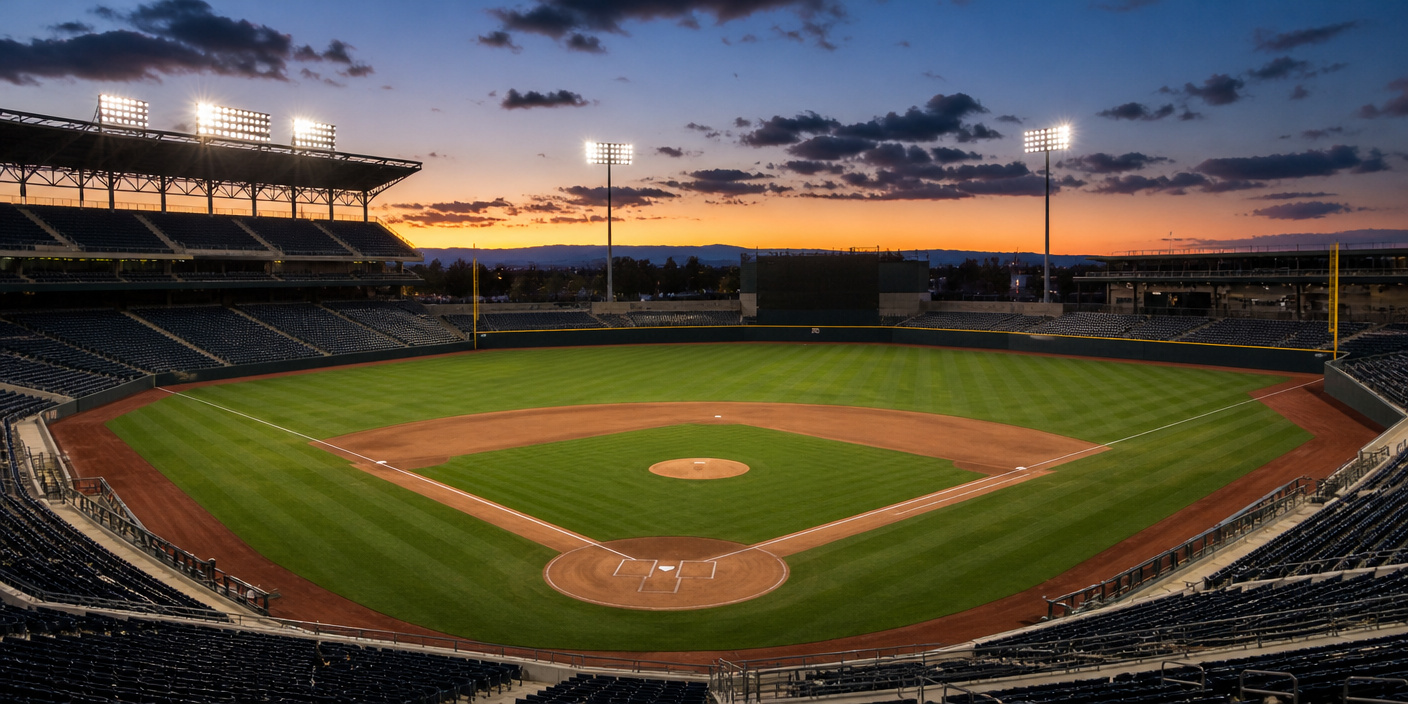
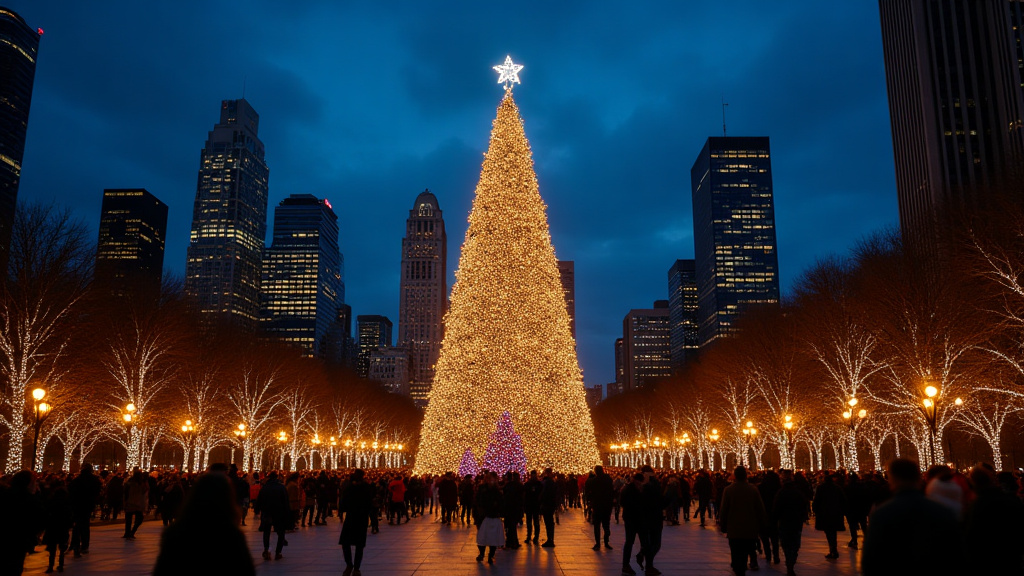
As the temperatures drop and the Chicago skyline turns crisp, the iconic space adjacent to Wrigley Field is undergoing its annual seasonal metamorphosis. Winterland at Gallagher Way officially opens its gates today, November 20, 2026, marking the start of the holiday season in Wrigleyville. The activation represents a massive logistical and aesthetic shift, transforming the summer baseball hub into a winter wonderland designed for skating, shopping, and holiday festivities.
The Seasonal Evolution of Wrigleyville
For decades, the area surrounding Wrigley Field was largely defined by the baseball calendar. However, the development of Gallagher Way, spearheaded by the Chicago Cubs organization and the Ricketts family, has fundamentally shifted the neighborhood’s utility. By launching Winterland, the organizers have effectively extended the life of the Wrigleyville district, ensuring that the local economy continues to thrive well after the final out of the baseball season. This event is not merely a holiday pop-up; it is a sophisticated exercise in urban placemaking that keeps the area activated throughout the year.
The layout for the 2026 edition of Winterland incorporates a sprawling, high-grade ice skating rink as its centerpiece. Surrounding this are several pavilions hosting a holiday market, where local Chicago artisans and vendors showcase seasonal goods. This blend of recreational space and retail opportunity creates a ‘live-work-play’ environment that has become a staple of modern Chicago winter programming.
Engineering the Winter Experience
Creating a reliable ice skating experience in an open-air urban environment like Wrigleyville is no small feat. The engineering required to maintain ice in varying Chicago weather conditions requires a sophisticated refrigeration system buried beneath the rink surface, capable of regulating temperatures despite fluctuating ambient conditions. This infrastructure is a testament to the long-term investment the organization has made in the site.



Beyond the rink, the aesthetic design of Winterland is meticulously curated. The lighting scheme, which utilizes thousands of energy-efficient LEDs, is programmed to synchronize with the holiday atmosphere, creating a visual beacon that is visible from blocks away. This visual design choice is crucial for establishing the venue as a ‘destination’ location for both locals and tourists, driving foot traffic to the surrounding restaurants and bars that might otherwise see a slump in attendance during the cold winter months.
The Economic Ripple Effect
While Winterland is primarily marketed as a family-friendly entertainment destination, its economic impact on the Lakeview community is significant. The holiday market portion of the event provides a platform for small businesses to reach a high-density consumer base during the peak shopping season. Furthermore, the staffing requirements for an event of this scale—ranging from rink attendants to security, event management, and vendor support—create a surge of seasonal employment opportunities in the neighborhood.
Local businesses in the immediate vicinity of Wrigley Field often see an uptick in traffic during Winterland operating hours. The proximity to the Red Line ‘L’ stop facilitates easy access, encouraging visitors from across the city to travel to the North Side specifically for the event, rather than just passing through. This synergy between the event and the existing brick-and-mortar establishments is a core pillar of the event’s longevity.
Future-Proofing Local Tourism
Looking ahead, the success of Winterland suggests a shift in how urban centers view their ‘off-seasons.’ The event demonstrates that an outdoor plaza is not just a summer asset but a canvas for seasonal engagement. By diversifying the programming—incorporating everything from holiday markets to future potential winter festivals—the organizers have created a modular space that can adapt to changing trends in entertainment. As we look toward future years, the expectation is for the event to scale further, potentially incorporating more interactive digital art installations or expanded culinary programs to keep the offerings fresh for returning guests.
Ultimately, Winterland at Gallagher Way serves as a blueprint for how sports venues can integrate into the broader urban fabric. It is a calculated effort to blend corporate-led development with community-focused seasonal traditions, ensuring that even when the home team is away, the neighborhood remains a vibrant center of Chicago life.
FAQ: People Also Ask
When is Winterland at Gallagher Way open?
The event officially opens on November 20, 2026. It typically remains operational throughout the holiday season, though visitors are encouraged to check the official Gallagher Way website for specific daily hours and any changes due to extreme weather conditions.
Is there an admission fee to enter?
While entry to the Gallagher Way plaza is generally open to the public, specific attractions such as ice skating rentals and some specialized events may require ticket purchases. It is recommended to book skating sessions in advance to secure a spot, as capacity is limited.
What is the best way to travel to the event?
Public transportation is highly recommended. The venue is located immediately adjacent to the CTA Red Line Addison station. For those driving, standard Wrigleyville parking limitations apply, so utilizing ride-share services or parking apps to secure off-site parking is advisable.