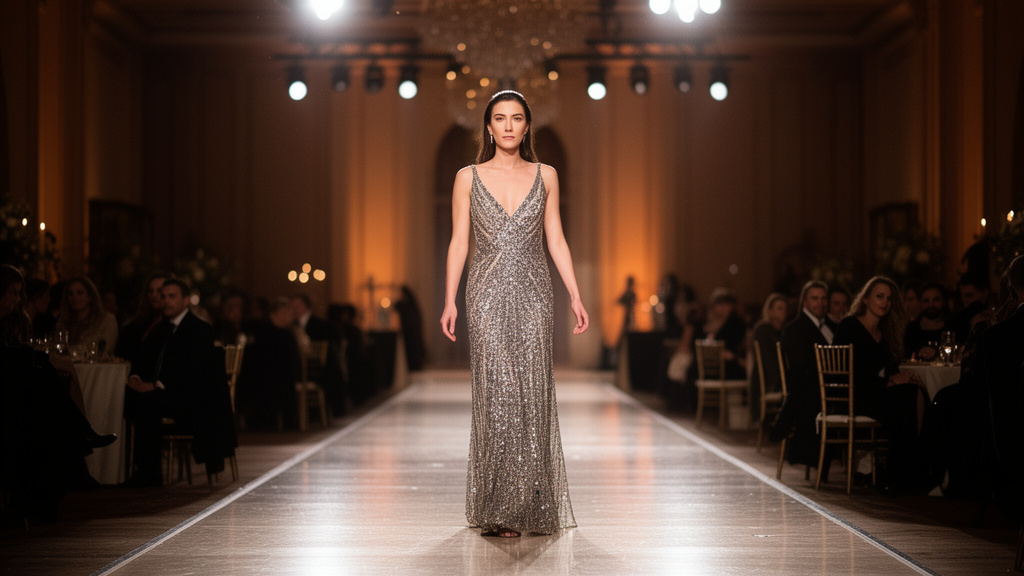
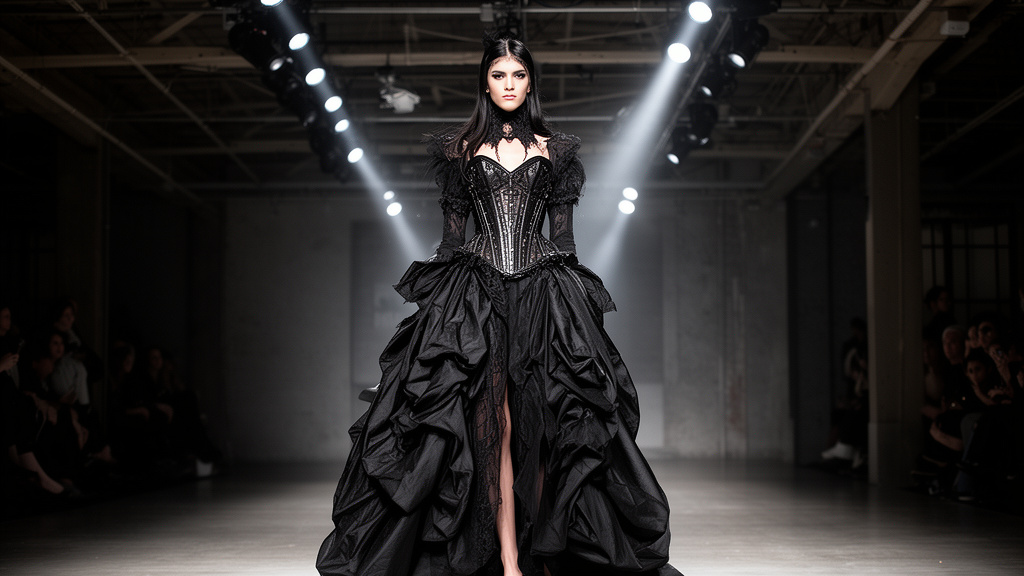
The Magnificent Mile is undergoing a radical transformation today, October 3, 2026, as the prestigious Water Tower Place plays host to ‘The Collective Runway Show.’ This meticulously curated event represents more than just a seasonal style showcase; it serves as a high-visibility intersection of industry innovation and social responsibility. By uniting established luxury houses with a cohort of hand-selected emerging designers, organizers have positioned Chicago as a formidable, singular voice in the global fashion narrative, all while securing necessary funding for the Mary E. Smith Foundation.
Key Highlights
- Primary Venue: The historic and architecturally significant Water Tower Place serves as the central hub for this year’s installment of The Collective Runway Show.
- Design Diversity: The runway features a strategic blend of heritage luxury labels and avant-garde emerging designers, providing a platform for cross-generational creative exchange.
- Philanthropic Impact: All net proceeds from the ticketed event and associated silent auction directly benefit the Mary E. Smith Foundation, supporting their ongoing mission.
- Economic Significance: The event highlights the continued relevance and vitality of the Magnificent Mile, reinforcing its status as a premier global retail and cultural destination.
A Defining Moment for Chicago’s Cultural Corridor
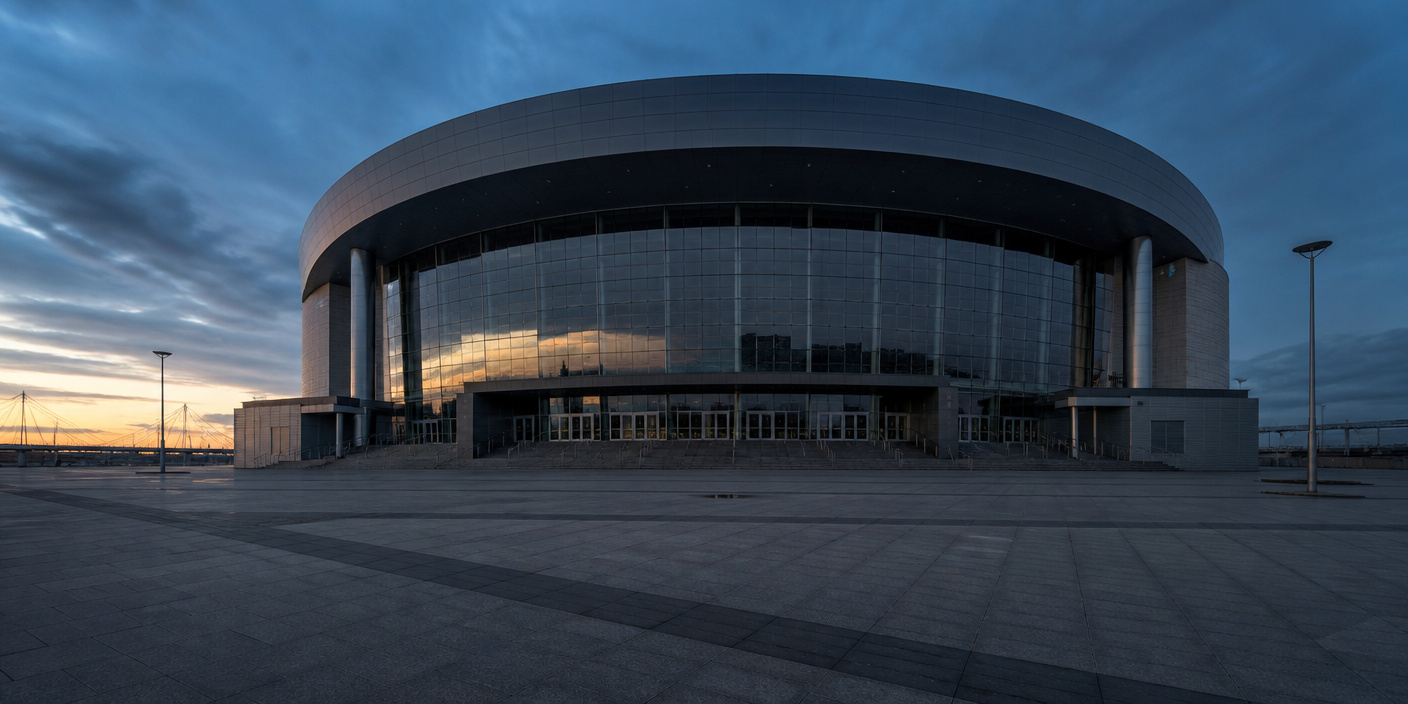
The choice of Water Tower Place is far from incidental. As the Magnificent Mile adapts to the shifting landscapes of post-pandemic retail, events like The Collective Runway Show act as powerful catalysts for foot traffic and cultural relevance. The atrium of the iconic structure has been reimagined for today’s showcase, featuring a minimalist, high-contrast runway that emphasizes the architectural geometry of the space while keeping the focus strictly on the textile arts.
The Intersection of High Fashion and Social Advocacy
At the heart of the event is a deeply rooted partnership with the Mary E. Smith Foundation. Unlike traditional fashion galas that relegate philanthropy to a secondary consideration, The Collective has integrated the foundation’s mission into every element of the programming. Attendees are not just observing trends; they are participating in a philanthropic model that emphasizes sustainable, long-term impact. The foundation’s initiatives, particularly those focused on community empowerment and equity, have found a new, high-profile megaphone through this collaboration. By aligning luxury fashion with tangible social outcomes, organizers are setting a new standard for how corporate and creative entities can leverage large-scale events to drive meaningful charitable change.
Architectural Grandeur as a Backdrop


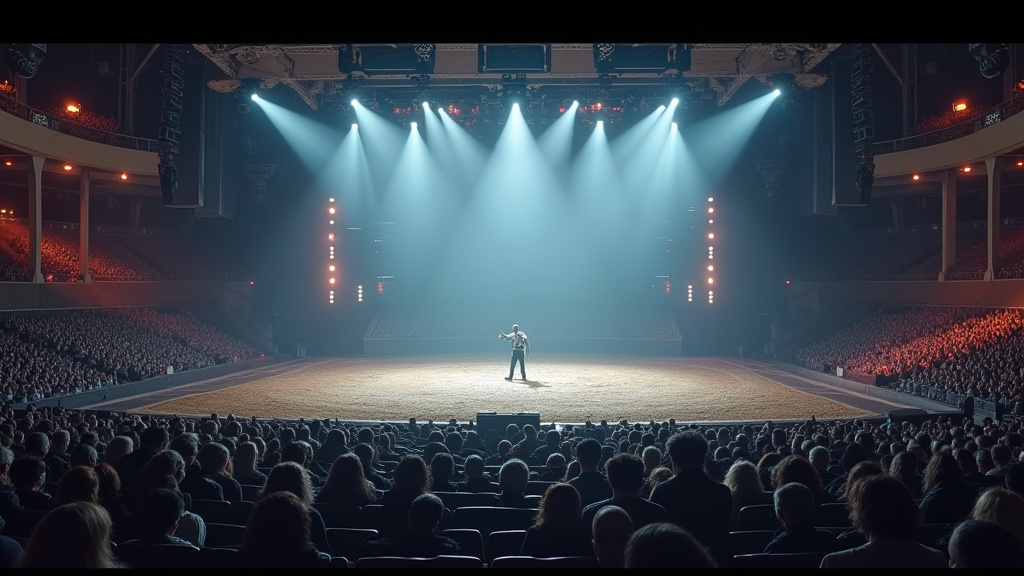
The logistical complexity of executing a show of this magnitude within Water Tower Place speaks to the organizers’ intent to honor the city’s design legacy. The lighting design, installed over the past 48 hours, utilizes the building’s natural light wells to create a cinematic atmosphere. This integration of the building’s inherent character with the ephemeral nature of a runway show creates an immersive experience that traditional convention centers cannot replicate. The result is an environment that feels both exclusive and deeply tied to the Chicago identity.
The Rise of the Emerging Designer
A secondary, yet arguably more vital, angle of today’s production is the ‘Incubator Series’ embedded within the show. While the presence of established houses draws the necessary press attention and elite clientele, the spotlight on emerging talent ensures the industry’s future health. These designers, representing a cross-section of Chicago’s diverse creative communities, are being given an unprecedented platform to showcase their work to buyers and media figures who usually reserve their attention for Paris or New York. This, effectively, bridges the gap between local artistry and global recognition.
Economic Implications for the Magnificent Mile
Beyond the glitz of the catwalk, the economic data surrounding today’s event is compelling. Industry analysts note that retail corridors like the Magnificent Mile require ‘destination programming’ to remain competitive in an era dominated by e-commerce. The Collective Runway Show acts as a prototype for this new model of retail engagement. By transforming a commercial space into an experiential venue, the event drives significant localized commerce—not just through ticket sales, but through the spillover effect of hospitality, dining, and retail traffic that accompanies the event. This ‘halo effect’ is critical for the long-term stabilization of the Magnificent Mile’s tenant ecosystem.
Looking Toward 2027 and Beyond
As today’s festivities unfold, industry insiders are already speculating on the sustainability of this model. If the engagement metrics from today’s show meet projections, The Collective is expected to announce a multi-year partnership with the city to solidify this event as a staple of the annual calendar. The goal is to move beyond the ‘event-based’ model and into a permanent infrastructure that supports Chicago designers year-round, utilizing the Magnificent Mile not just as a location for a show, but as a long-term incubator for the industry.
FAQ: People Also Ask
Q: What is the primary purpose of The Collective Runway Show?
A: The show serves as a platform to highlight both established and emerging fashion designers while acting as a major fundraising vehicle for the Mary E. Smith Foundation.
Q: Why was Water Tower Place chosen for this event?
A: Its status as an iconic Chicago landmark on the Magnificent Mile provides the necessary architectural gravitas and high-visibility location to effectively bridge the gap between high-fashion editorial events and public engagement.
Q: Is the event open to the public, or is it invite-only?
A: While primary seating is reserved for industry professionals, donors, and media, the event is designed with a public-facing component, allowing the community to engage with the displays and philanthropic initiatives located throughout the Water Tower Place atrium.
Q: How does this event support the local Chicago economy?
A: The show acts as a destination event, driving significant foot traffic to the Magnificent Mile. This increases revenue for local hospitality, dining, and retail businesses while positioning the city as a viable alternative to the traditional New York or Los Angeles fashion hubs.