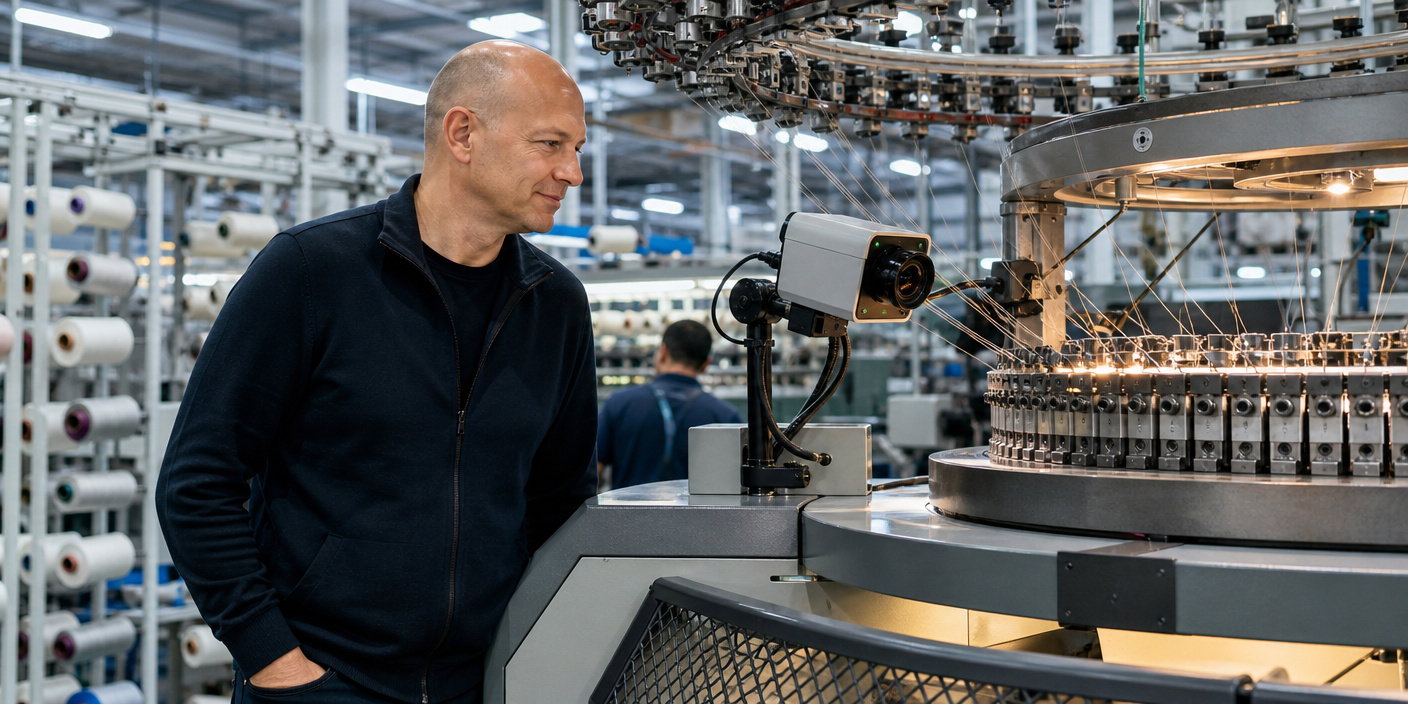
Tufts University has officially inaugurated its new Innovation Hub for Food and Materials, a strategic facility located in Medford, Massachusetts, designed to accelerate the commercialization of novel food products and sustainable biomaterials. This state-of-the-art center is positioned to fill a critical gap in the regional biotechnology ecosystem by offering startups, academic researchers, and industry partners access to advanced prototyping and specialized testing infrastructure that is rarely available to early-stage ventures.
Key Highlights
- Specialized Infrastructure: The Medford-based hub provides dedicated space and equipment for prototyping novel food technologies and biomaterials, bypassing the high entry costs for early-stage startups.
- Sustainability Focus: The center prioritizes the development of sustainable food solutions and eco-friendly material alternatives, addressing global challenges in waste reduction and resource efficiency.
- Bridging the Gap: By serving as a bridge between academic research and commercial manufacturing, the hub helps navigate the “valley of death” that often plagues food-tech startups attempting to scale from the lab to the market.
Catalyzing the Next Generation of Food and Biomaterials
The launch of the Innovation Hub for Food and Materials represents a significant expansion of Tufts University’s footprint in the engineering and biotechnology sectors. While the Boston-Cambridge corridor is globally recognized for its prowess in pharmaceutical and medical device development, the food-tech and materials-science sectors have historically faced a scarcity of affordable, localized prototyping environments. By integrating this hub into its existing research framework, Tufts is not merely providing lab space; it is creating a concentrated ecosystem where intellectual property can be stress-tested, optimized, and refined for industrial production.
Overcoming the Prototyping Bottleneck
In the food and materials industry, the transition from proof-of-concept to pilot-scale production is notoriously difficult. Unlike software, which can be iterated rapidly with minimal capital, food-tech requires physical equipment—extruders, fermenters, thermal processing units, and material testing rigs—that are expensive to acquire and maintain. For the typical startup, the cost of accessing these resources can be prohibitive, often halting innovation before it gains traction.
This new Tufts facility addresses this barrier head-on. By housing shared infrastructure under one roof, the university allows startups to lower their operational burn rate while increasing the speed of their product development cycles. This facility is specifically engineered to handle the nuances of food production, including adherence to rigorous health and safety standards, which distinguishes it from general-purpose chemical or biotech labs.
From Biomaterials to Sustainable Food Systems




The scope of the hub encompasses two major, interrelated pillars: novel food products and biomaterials. The “food” component focuses on emerging technologies such as cellular agriculture, plant-based protein optimization, and precision fermentation. These technologies are vital for creating a food system that is less dependent on traditional animal agriculture and more resilient to climate-driven supply chain disruptions.
Simultaneously, the “materials” component of the hub explores the next generation of industrial substances. This includes the development of biodegradable packaging, mycelium-based composites, and sustainable polymers designed to replace single-use plastics. By co-locating these disciplines, Tufts encourages cross-pollination. Researchers working on plant-based food proteins, for example, may uncover structural properties relevant to the development of new, edible, or biodegradable packaging materials, creating a circular economy of innovation.
A Strategic Location for Regional Growth
Medford serves as an ideal nexus for this hub. With its proximity to the vast industrial and venture capital networks of the Greater Boston area, the facility is strategically placed to attract investment. Startups incubated within the Tufts ecosystem will be steps away from potential industry partners, supply chain logistics experts, and regulatory advisors. This geographical advantage ensures that the innovations developed within the walls of the Medford hub have a clear pathway to market, fostering a regional “Bio-Corridor” that extends beyond medicine into the critical fields of nutrition and sustainable materials.
Fostering Industry-Academic Synergy
The success of the Innovation Hub rests on its collaborative model. Unlike a private incubator, this facility is tied directly to the research engine of Tufts University. This ensures that the hub remains on the cutting edge of scientific discovery. Startups working within the facility benefit from access to faculty expertise, student researchers, and the latest intellectual property coming out of university labs. Conversely, the university gains valuable insights into the practical, commercial challenges facing the food and materials industries, which in turn informs future research trajectories. This symbiotic relationship creates a self-sustaining cycle of innovation, ensuring that academic outputs remain relevant to real-world industrial needs.
FAQ: People Also Ask
1. What types of companies can use the Tufts Innovation Hub?
Generally, the hub targets early-stage startups, university spin-outs, and research groups working on food technology, sustainable biomaterials, and related industrial bio-manufacturing. It is designed for entities that require specialized prototyping equipment that is too costly to acquire individually.
2. Why is this hub located in Medford?
Medford provides a strategic location near Tufts University’s main engineering campus while maintaining close proximity to the Greater Boston biotechnology and venture capital ecosystem. This allows for seamless collaboration between academic researchers, student talent, and commercial partners.
3. How does this facility help with sustainability?
By providing the tools to develop plant-based, cellular, and biodegradable alternatives, the hub helps lower the barriers to entry for companies aiming to replace traditional, resource-intensive production methods with eco-friendly alternatives.
4. Is the hub open to researchers outside of Tufts?
While the hub is rooted in Tufts University’s ecosystem, such facilities typically operate with tiered access models, inviting external startups and industrial partners to apply for space and service access, provided their research aligns with the facility’s safety and technology focus.