Chicago is gearing up for a monumental weekend of cultural, athletic, and aerial excitement, with city officials issuing urgent advisories for the period of August 14 through August 16. The Office of Emergency Management and Communications (OEMC) has signaled a citywide coordination effort to manage the influx of visitors, as a unique confluence of major events—the Chicago Air and Water Show, the Little Italy Festa, and professional sports contests featuring the Chicago Cubs and Chicago Bears—converges upon the city.
Navigating the City During Peak Event Traffic
The OEMC has prioritized public safety as the cornerstone of this weekend’s strategy. With millions of residents and tourists expected to descend upon the lakefront and various cultural districts, the city is shifting into a high-alert operational status. The primary concern is the potential for significant gridlock, particularly around the downtown core and near Wrigley Field and Soldier Field.
Officials strongly advise against relying on personal vehicles. The heavy traffic congestion is expected to affect not only main arterial roads but also public transit routes, though the CTA remains the most recommended method of travel. For those attending the Chicago Air and Water Show, the North Avenue Beach area will see the highest density of pedestrian and vehicular traffic. The show, a staple of Chicago summers, remains the largest free exhibition of its kind in the United States, drawing spectators from across the globe. Practice sessions on August 14 are expected to set the tempo for the main performances on August 16 and 17, creating a prolonged window of heavy congestion throughout the mid-August weekend.
The Cultural and Economic Pulse of the Little Italy Festa
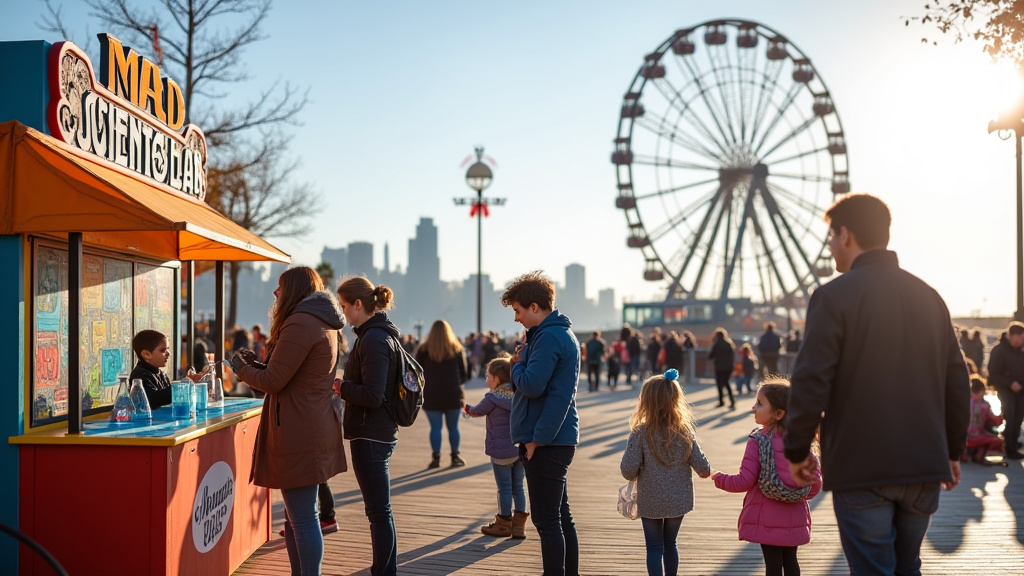
While the lakefront commands the attention of aviation enthusiasts, the Near West Side will transform into a celebration of heritage during the Little Italy Festa. This event serves as a critical pillar of Chicago’s cultural calendar, highlighting the deep-rooted Italian history of the Taylor Street corridor. The festival is not merely a gathering; it is an economic engine for local small businesses that have anchored the community for decades.


Logistically, the Festa requires significant street closures, which residents should note before planning travel through the Near West Side. The blend of food, live music, and community engagement creates a dense, high-energy environment. For visitors, the recommendation is to engage with the neighborhood’s history while being mindful of local parking restrictions and the high volume of foot traffic that turns neighborhood side streets into bustling, albeit crowded, pedestrian corridors.
Sports Tourism and the Infrastructure Strain
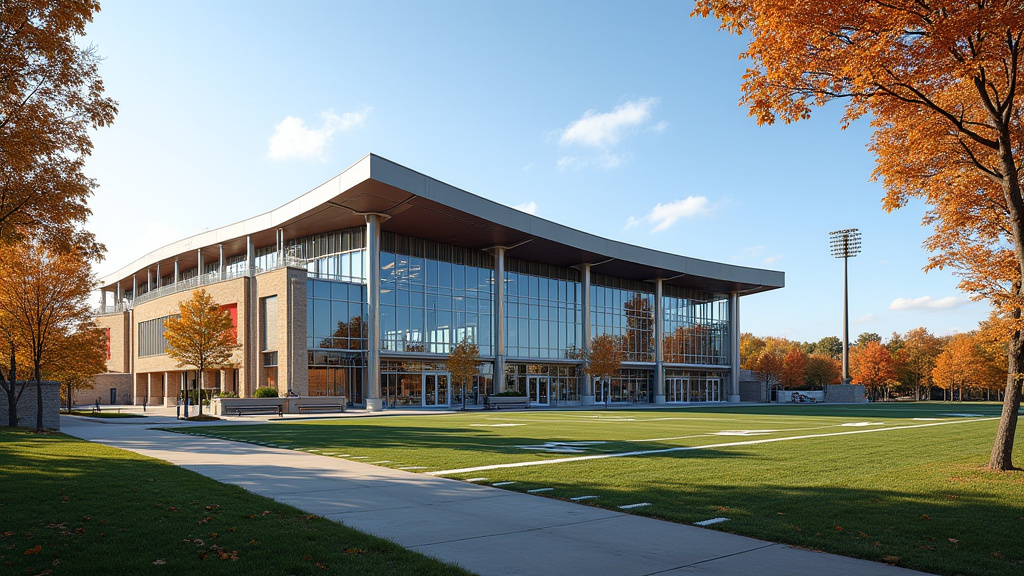
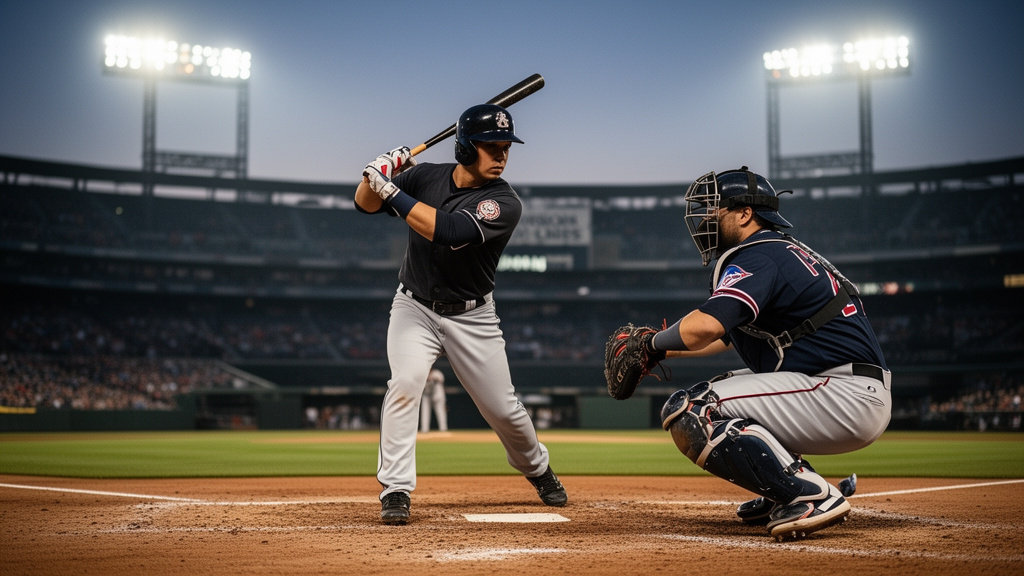
Beyond the festivals, professional sports represent a massive strain on urban infrastructure. The Chicago Cubs are in the midst of a competitive season at Wrigley Field, bringing their dedicated fanbase to the North Side, while the Chicago Bears’ preseason activity at Soldier Field draws massive crowds to the Museum Campus area.
This duality of high-profile sporting events means that the city’s transport infrastructure—specifically the Red Line and the downtown commuter rail connections—will experience peak demand. The economic impact of these games is substantial, with hotels, bars, and restaurants expected to operate at near-maximum capacity. However, this prosperity comes with the responsibility of crowd management. The OEMC’s “See Something, Say Something” campaign is being heavily emphasized, urging patrons to report any suspicious activity immediately to local law enforcement. Security perimeters around sports venues will be tight, and fans are encouraged to arrive early to account for bag checks and metal detection screening protocols.
Long-Term Planning and Future Event Management
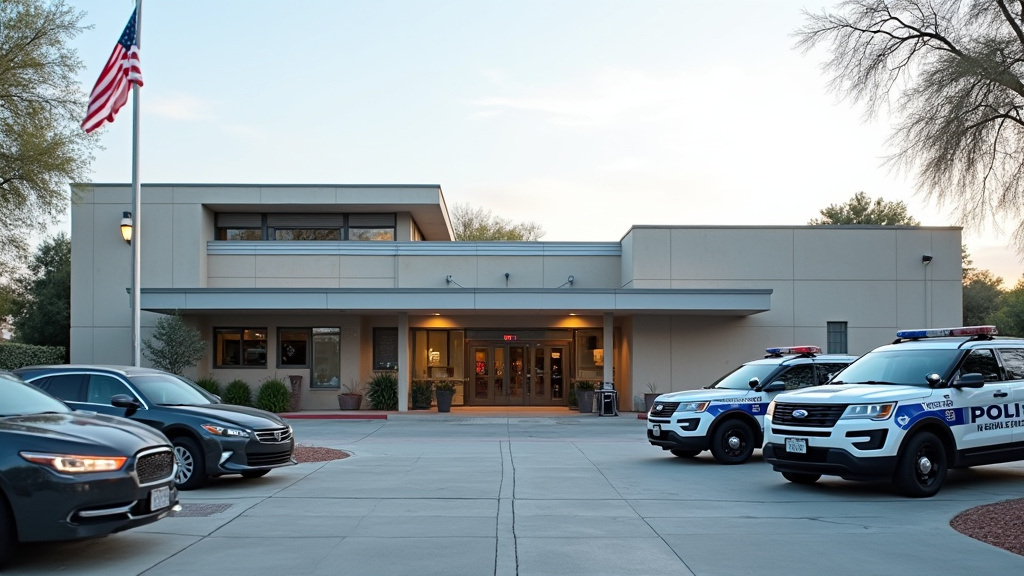
Looking toward the future, the city’s ability to manage such weekends is a barometer for its continued viability as a global event hub. The coordination between the Chicago Police Department (CPD), the Fire Department, and the OEMC illustrates a sophisticated, multi-layered approach to public safety. As Chicago continues to host high-density gatherings, the reliance on real-time data monitoring and adaptive traffic management systems becomes paramount.
These mega-weekends serve as a reminder of the city’s unique position in the American landscape. Few cities can successfully juggle a major air show, historical street festivals, and professional sports simultaneously. While the traffic and crowds present temporary inconveniences, they also signify the vibrancy of Chicago’s economy and its unwavering cultural appeal. For the average resident, the advice is simple: plan ahead, use public transportation, stay hydrated, and remain vigilant throughout the weekend.
FAQ: People Also Ask
1. What are the official dates for the Chicago Air and Water Show activities?
Practice sessions for the Chicago Air and Water Show are scheduled for August 14, serving as a prelude to the main events on August 16 and 17. The North Avenue Beach area will be heavily restricted, and spectators are encouraged to arrive extremely early.
2. How can I best navigate the city during these events?
The OEMC strongly recommends utilizing public transit, such as the CTA trains and buses, rather than driving personal vehicles. Traffic gridlock is anticipated, and many streets near event venues, particularly in the vicinity of Wrigley Field and Soldier Field, will have limited access.
3. What safety protocols are in place for the weekend?
The city is actively promoting the “See Something, Say Something” initiative. Residents and visitors are urged to be aware of their surroundings and report any suspicious items or behavior to the nearest law enforcement officer or by calling 911 immediately. Bag checks and enhanced security perimeters will be standard at both sports venues and major festival sites.